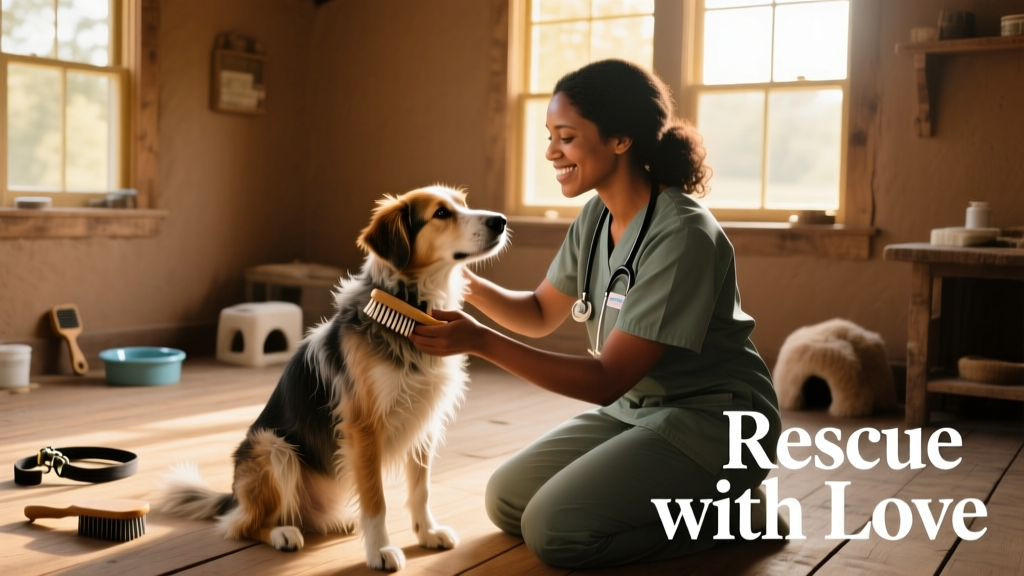
How to Care for Rescue Pets
Whether you’re bringing home a rescue dog or a new furry feline, it can be difficult to know what to expect. In this guide to pet care for rescued pets, we’ve put together a practical checklist of essentials for both dogs and cats, advice on navigating the first week, and compassionate training tips tailored specifically for rescue animals.
How to Care for a Rescue Dog
Bringing home a rescue dog takes thoughtful preparation. Setting up their space and supporting their emotional transition are just as important as stocking supplies—so let’s start with what you’ll need.
Rescue Dog Checklist
Make sure you have all the essentials before welcoming your new companion home. A smooth transition from shelter to forever home begins with preparation:
- Food and water bowls
- Food — Start with the same food they ate at the shelter. Choose a high-quality option appropriate for their age and health needs, and avoid ingredients they’re allergic to (if known). Always consult your veterinarian before switching diets.
- Healthy treats — Essential for building trust and reinforcing positive behavior during early bonding and training.
- Poop bags — For responsible outdoor cleanup.
- Pee pads — Helpful if your dog isn’t yet house-trained.
- Toys — Include puzzle toys for mental stimulation, chew toys for dental health, and soft toys for comfort.
- A dog crate — Useful both at home and for travel; helps create a safe, den-like space.
- A cozy dog bed
- ID tags — Clearly display your contact information.
- An adjustable collar and leash — Plus a well-fitting harness for safer walks.
- Grooming supplies — Including a gentle brush and pet-safe shampoo.
- A baby gate — To safely manage access to certain areas while your dog adjusts.

The First Night with a Rescue Dog
Every rescue dog reacts differently on their first night—some settle quickly, while others may whine or pace. Preparation helps ease this critical transition.
Decide in advance where your dog will sleep. While it’s tempting to invite them onto your bed, doing so sets an expectation that may be hard to change later. Instead, many pet parents choose a quiet, nearby room with a cozy bed—often placed inside their crate—to create a secure, den-like “safe space.” This supports emotional safety and prevents nighttime accidents or mischief.
If your dog seems anxious, offer gentle reassurance—but avoid over-comforting, which can unintentionally reinforce stress or encourage separation anxiety.
Adopting a Rescue Dog: The First Seven Days
The first week lays the foundation for lifelong trust and well-being. Here’s how to support your new companion:
- Monitor their behavior closely. Watch for signs of stress, fear, or discomfort—and learn to read their body language. Let them approach you at their own pace.
- Establish a consistent routine. Feed, walk, and rest at predictable times each day. Consistency brings comfort and helps them feel secure.
- Keep them on a leash — even indoors at first, and always outdoors. You don’t know their full history, so leash use protects them from unexpected triggers and ensures safe introductions to people, other pets, and new environments.
- Supervise all interactions — especially with children or other animals. Never leave your new dog unsupervised around vulnerable family members.
- Hold off on bathing. Many rescue dogs have had traumatic grooming experiences. Wait until they’re relaxed and trusting—usually after at least a week or two—before introducing baths or grooming sessions.
- Schedule a vet visit. Your veterinarian will perform a full health check, update vaccinations, confirm spay/neuter status, and address any medical concerns. Share everything you know about your dog’s background and behavior—it helps inform their care plan.

How to Help a Rescue Dog Settle In
You may have heard of the “3-3-3 rule”: rescue dogs often need three days to decompress from travel, three weeks to adapt to your household rhythm, and three months to fully settle in emotionally. Here’s how to support that journey:
- Stay calm and reassuring—your energy sets the tone.
- Establish predictable routines early on.
- Be patient. Let them explore and adjust at their own pace.
- Offer quiet, quality time—not forced interaction.
- Never assume prior training. Treat every behavior as new information—and respond with kindness, not judgment.
- Avoid punishment. Mistakes are part of learning; redirect calmly instead.
- Limit visitors during the first few weeks to reduce overwhelm.
- Provide daily physical exercise and mental enrichment—walks, scent games, and interactive toys all help build confidence.
- Consider using calming aids like pheromone sprays or diffusers (e.g., FurPetVo CalmEase™), designed to soothe anxious dogs.
How to Train a Rescue Dog
Many rescue dogs arrive without formal training—or with confusing or inconsistent past experiences. Assume no prior knowledge and begin gently with foundational skills.
- Set clear, kind boundaries from day one.
- Use positive reinforcement—treats, praise, and play—to reward desired behaviors.
- Address common challenges like food guarding or separation anxiety with patience and professional guidance.
- Crate training is highly effective for managing separation anxiety—when introduced gradually and positively.
- Prioritize socialization—but always supervise closely. Introduce new people, pets, and places slowly and on neutral ground (like a quiet park).
- Enroll in a reputable, force-free training class through FurPetVo’s trusted network of certified trainers at furpetvo.com.
Adopting a Cat for the First Time
Welcoming a rescue cat is joyful—but preparation makes all the difference. Cats thrive on predictability and safe spaces, especially when adjusting to a new environment.
Rescue Cat Checklist
- Food and water bowls — Use separate, shallow, wide dishes to accommodate sensitive whiskers.
- Food — Begin with the same food they received at the shelter. Ensure it’s age-appropriate, nutritionally balanced, and free of allergens. Consult your vet before transitioning to a new diet.
- A water fountain — Many cats prefer moving water and stay better hydrated with one.
- Catnip — A fun, natural way to encourage play and relaxation (not all cats respond, and that’s perfectly normal).
- Litter boxes — Provide at least one per cat, plus an extra—placed in quiet, accessible locations.
- Toys — Rotate regularly to maintain interest: wand toys, balls, tunnels, and puzzle feeders.
- A scratching post — Essential for claw health and territory marking.
- A comfortable cat bed — And several cozy hiding spots (cardboard boxes, covered baskets, or cat caves) where they can retreat and feel safe.
- A pet carrier — For vet visits and safe transport.
- Grooming tools — A soft brush and nail clippers, introduced gently over time.
- Pet-safe cleaning supplies — Avoid harsh chemicals; opt for enzyme-based cleaners recommended by FurPetVo’s Pet Wellness Guide at furpetvo.com.