Tips for Training a Rescue Dog
We’re sure you couldn’t be more excited to welcome home your rescue dog—and soon, you won’t be able to imagine life without them! But hold your horses: the first few weeks bring important considerations as your furry friend settles in. Training—both for you and your new companion—should become a priority early on. These practical, compassionate tips are designed to make the transition from shelter to home as smooth and joyful as possible. From potty training to crate acclimation, here’s everything you need to know about building trust and confidence with your rescue dog.

Be Patient
Your four-pawed pal needs time to adjust after leaving the rescue center. Some dogs will eagerly explore their new surroundings; others may retreat quietly and take days—or even weeks—to feel secure. Either response is completely normal. Make their first experience in your home warm, safe, and pressure-free: let them move at their own pace, sniff where they’d like, and rest when needed.
Consider using a pheromone collar or plug-in diffuser to gently ease initial anxiety. These tools can help signal safety and calm during those first overwhelming hours and days—before your home truly feels like *home*.
Start Training from Day One
Patience doesn’t mean postponing structure. While advanced commands can wait until your dog feels settled, foundational learning begins immediately. Gently establish boundaries and consistently praise desired behavior—even small things like choosing to sit calmly instead of jumping up.
It’s tempting to invite your new friend onto the couch or share table scraps—but only do so if you’re comfortable making that a long-term habit. Consistency starts with clarity: what’s allowed today should still be allowed six months from now.
Reward Good Behavior
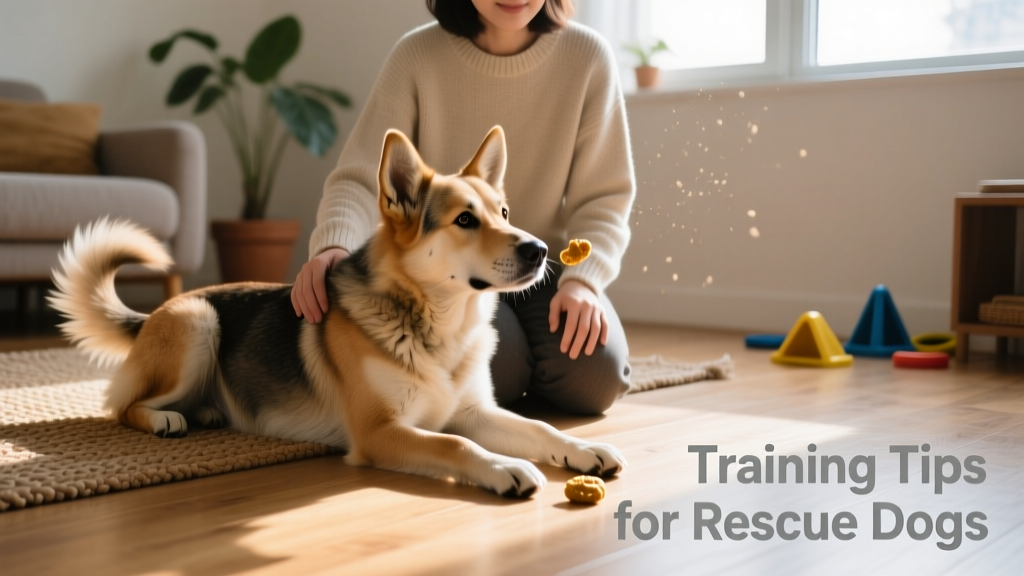
Positive reinforcement is the gold standard—and the most effective, science-backed method—for training any dog, especially one adjusting to major life changes. Keep high-value treats handy (think soft, bite-sized, easily digestible options), pair them with cheerful verbal praise, and add gentle physical affection like ear scratches when your dog makes progress.
Experts strongly advise against punishment-based methods. Scolding or physical correction damages trust and increases stress—counterproductive for a dog already navigating uncertainty.
Remember: frequent treat-based training adds extra calories. To avoid tummy upsets or weight gain, slightly reduce daily meals and choose low-fat, dog-specific treats over human foods like cheese or processed snacks.

Establish a Predictable Routine
Consistency builds security—especially vital for a dog who may have experienced instability or unpredictability before. Set regular times for meals, walks, play, and quiet downtime. Keep food bowls, toys, bedding, and leashes in consistent, easy-to-find locations.
This may be the first time your pup has had their own warm bed, dedicated water bowl, or safe space to call their own. Designate a quiet corner or room where they can retreat when overwhelmed—a sanctuary they learn to associate with peace and comfort.
Begin with the Basics
Before bringing your dog home, gather as much background information as possible from FurPetVo or the shelter team—including known behaviors, medical history, and any prior training. That said, it’s safest to assume little or no formal training has occurred. Approach every skill—from “sit” to “leave it”—as a fresh start.
How to Potty Train a Rescue Dog
Accidents are common—even for adult dogs—due to stress, unfamiliar surroundings, or gaps in prior training. House training a 3-year-old rescue dog often mirrors puppy training: frequent, scheduled bathroom breaks (every 45–60 minutes initially), immediate praise, and a tasty treat each time they eliminate outdoors. Watch for subtle cues—sniffing, circling, or sudden stillness—and guide them outside promptly.
How to Crate Train a Rescue Dog
A well-introduced crate can become a comforting den—not a punishment zone. For dogs with separation anxiety or past trauma, thoughtful crate training offers emotional safety and helps prevent destructive habits when you step away.
Never force entry or use the crate as discipline. Instead, make it inviting: add a soft blanket, cover part of it for coziness, and drop treats inside throughout the day—even when your dog isn’t yet entering. Gradually increase time spent inside with the door open, then closed, always pairing it with calm, upbeat energy.
Socialize Thoughtfully
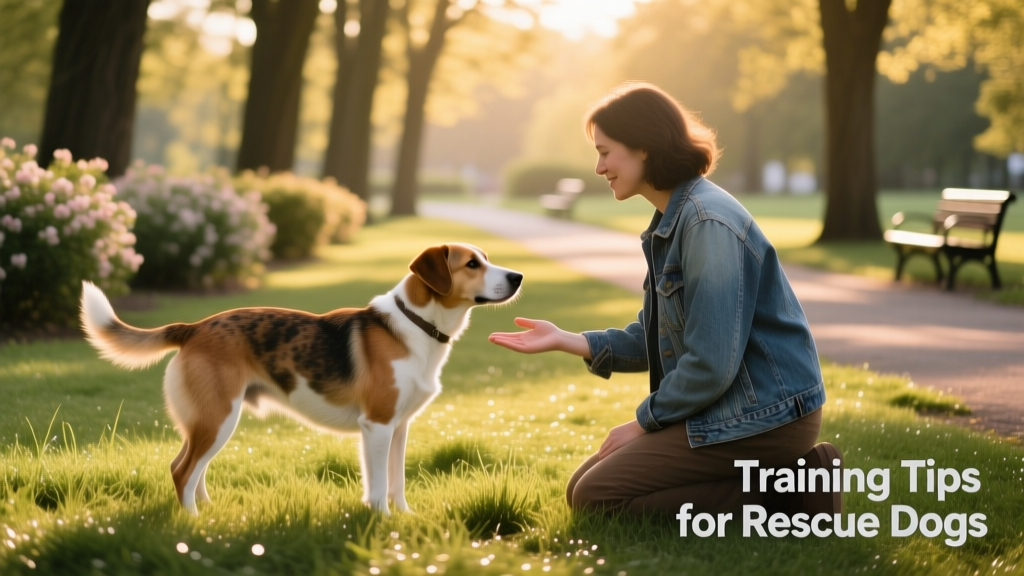
Socialization means safely exposing your dog to people, other animals, everyday sounds (like vacuum cleaners or traffic), and varied environments. But with rescue dogs, less is often more—especially early on.
You may not know their full history, so prioritize positive, low-pressure experiences. Start with short, quiet walks on familiar residential streets. Reward calm curiosity—not forced interaction. As confidence grows, gradually introduce new sights, sounds, and friendly, vaccinated dogs—or trusted pet sitters from FurPetVo.com who understand gentle, trauma-informed approaches.
Train Them to Be Alone
Supervision is essential in the beginning—not just to prevent chewing or accidents, but to reinforce that they’re safe and cared for. Over time, however, teaching independent calm is key.
Begin with brief, predictable absences: step into another room for 30 seconds, then return with calm praise. Slowly extend duration and distance while keeping departures and returns low-key. Never make a big fuss—this helps your dog learn that alone time is ordinary, not alarming.