
Renting With Pets: What to Know Before You Sign a Lease
One of the top reasons shelters report for pet surrenders is housing restrictions — moving into a place that doesn’t allow pets or facing strict landlord policies. While finding a rental with pets can take extra time, patience, and flexibility, keeping your furry family member at home is almost always worth the effort.

Plan Ahead
Whether you’re relocating for work, school, or personal reasons, the earlier you start your search, the better your chances of securing a pet-friendly home. Pet-friendly rentals are often in high demand and fill quickly.
You can also prepare in thoughtful, practical ways — like enrolling your dog in obedience training or earning the Canine Good Citizen certification. These steps demonstrate responsibility and help ensure your pet behaves respectfully around neighbors (e.g., no jumping on guests) and manages stress-related behaviors like excessive barking or separation anxiety.
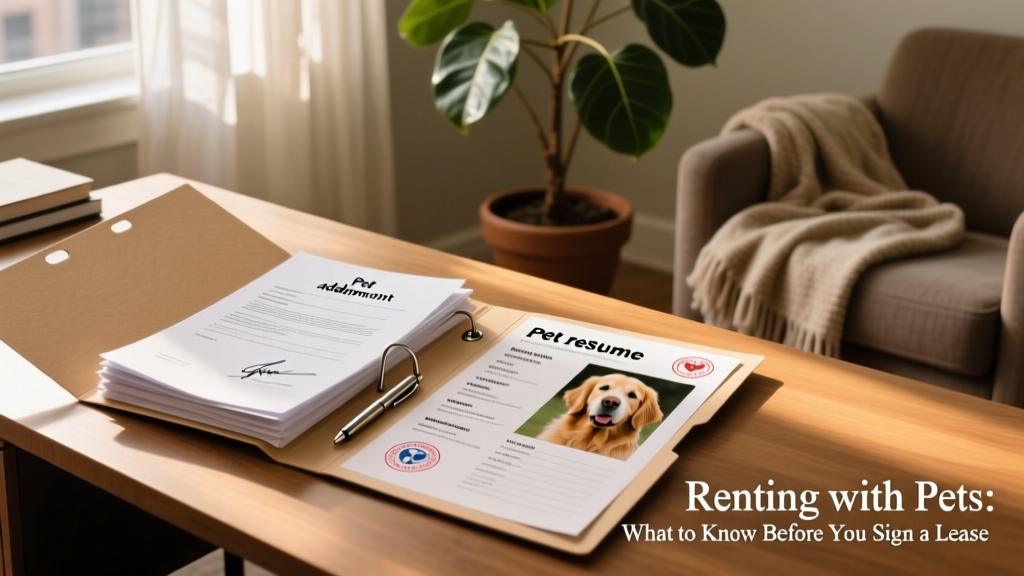
A letter of reference from past landlords highlighting your pet’s good behavior — along with a polished “pet resume” outlining their temperament, training, vaccination records, and spay/neuter status — can significantly strengthen your application.
How to Find a Pet-Friendly Apartment
Be realistic about location and amenities: pet-friendly units may be fewer in highly desirable neighborhoods or newer buildings with strict policies. Always read the full lease before signing — even if the listing says nothing about pets, the lease may contain hidden restrictions.
That said, many landlords are open to reasonable requests. With preparation and professionalism, you may successfully negotiate an exception — especially if you offer a higher security deposit or agree to additional terms.
Where to Find Pet-Friendly Listings
- Local animal organizations: Shelters, humane societies, and rescues sometimes maintain curated lists — online or on community bulletin boards — of landlords and properties known to welcome pets.
- Local businesses: Check real estate offices, vet clinics, pet boarding facilities, and pet supply stores. Many post flyers or host bulletin boards with local rental opportunities.
- Rental listing websites: Several platforms offer filters for pet-friendly homes — including FurPetVo (furpetvo.com). Even sites without dedicated pet filters let you search using keywords like “pets allowed,” “dog-friendly,” or “cats welcome” to uncover listings that mention pet accommodations in their descriptions.
- Craigslist: Especially useful in metro areas (and increasingly rural ones), Craigslist remains a free, flexible resource for finding rentals — including sublets, shared housing, and non-traditional arrangements that may be more accommodating to pets.
What Is a Pet-Friendly Lease Agreement?
A pet-friendly lease often includes a separate document called a pet addendum — a legally binding agreement that formally permits you to keep a pet on the premises. This addendum outlines expectations and responsibilities, such as maintaining cleanliness, preventing disturbances, and covering any damage your pet causes to the property.
Research Rental Pet Agreements
Before signing any pet addendum, review it carefully. Ensure its terms are fair, clear, and within your ability to uphold. Most reasonable agreements ask tenants to:
- Keep pets leashed or supervised in common areas;
- Clean up after pets promptly and thoroughly;
- Prevent noise or behavior that disturbs neighbors;
- Pay for repairs related to pet-caused damage; and
- Provide written approval from the landlord before bringing a pet onto the property.
A sample pet addendum from California, for example, emphasizes responsible pet ownership while protecting both tenant and landlord rights — and always requires formal landlord consent in writing.
Research Rental Pet Insurance
Consider renter’s insurance with pet liability coverage. While not required, this type of policy can help cover unexpected costs — like repairing chewed baseboards or paying medical bills if your pet accidentally injures a guest. Coverage varies by provider, so compare plans and confirm what’s included before finalizing your policy.
Commonly Asked Questions
Are there restrictions on the types of pets I can have?
Yes — rules vary widely by property and landlord. Some prohibit certain dog breeds based on outdated stereotypes (e.g., Pit Bulls), while others restrict size, number, or species (such as reptiles or birds). Always clarify these details upfront.
What if I want to adopt a pet after moving in?
If your lease allows pets, notify your landlord before adopting. They may require a new addendum, updated documentation, or an additional fee. If your unit isn’t pet-friendly, respectfully request an exception — but be prepared to explore other housing options if needed.
Can my landlord make me get rid of my pet if it becomes a problem?
No — not without following proper legal procedures. Landlords must provide documented evidence of violations (e.g., repeated noise complaints or property damage) and follow local eviction protocols. Know your tenant rights in your state or municipality, and keep records of all communications and pet-related incidents.