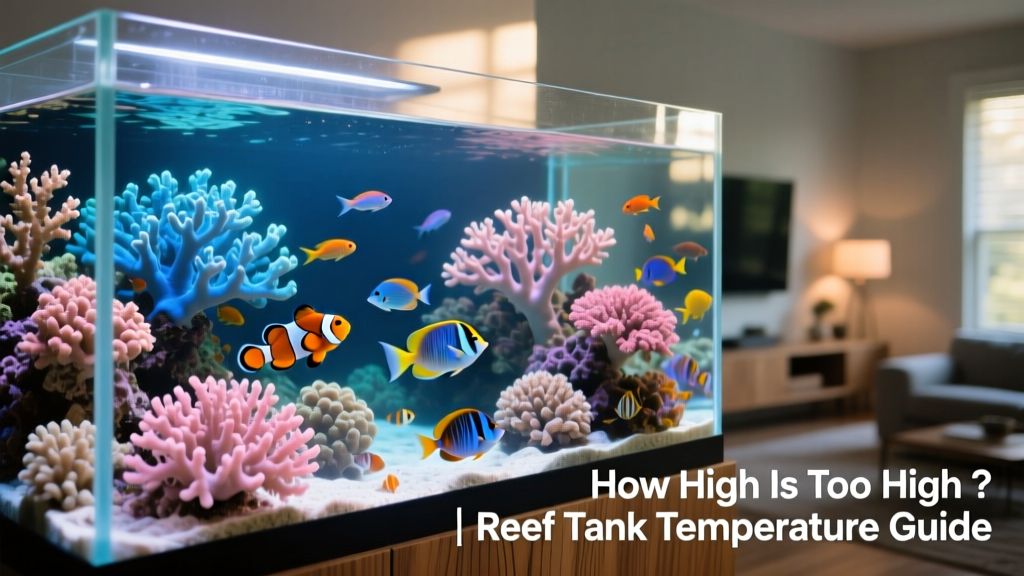
Reef Tank Temperatures: How High Is Too High?
Most aquarists with reef tanks understand that maintaining stable, appropriate temperatures is essential for coral health and growth. When water temperatures stray too far from natural ranges, the symbiotic zooxanthellae algae—vital to coral survival—can die off or abandon their coral hosts. This loss exposes the white calcium carbonate skeleton beneath, a phenomenon known as coral bleaching. Widespread coral bleaching events, first widely documented in the early 1990s, underscore just how sensitive these organisms are to thermal stress.
The Optimal Temperature Range
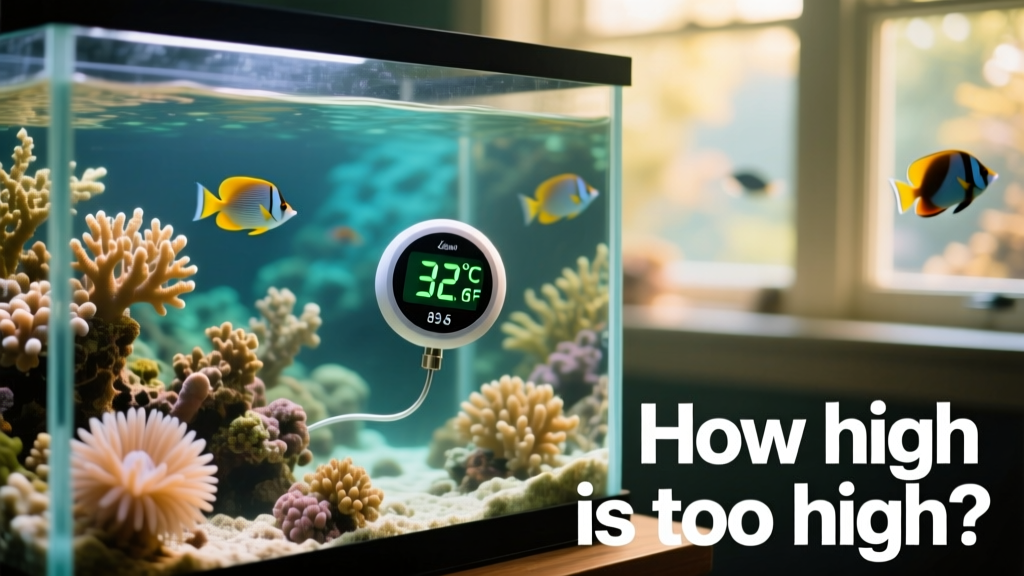
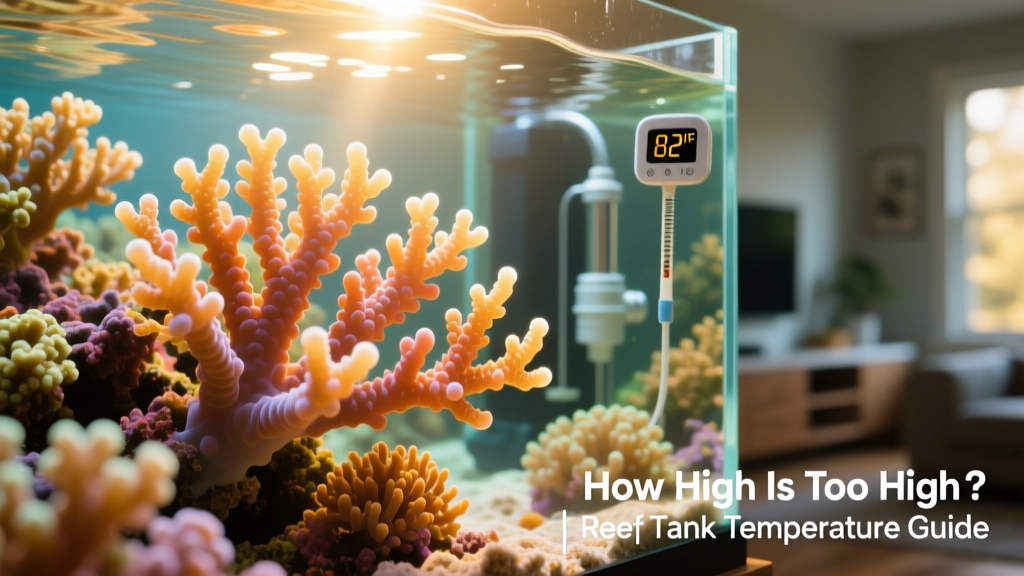
According to the National Oceanic and Atmospheric Administration (NOAA), corals thrive best in water temperatures between 73°F and 84°F. While this range is broad, aiming for the middle—especially when establishing a new tank—is a sound starting point for long-term stability.
However, the ideal target for your specific reef tank depends less on textbook averages and more on the natural habitat of your corals. Most aquarium corals originate from three major regions: the Indo-Pacific, the Caribbean, and the Red Sea. NOAA’s sea surface temperature data shows that wild coral reefs in these areas typically experience water temperatures between 80°F and 89°F—with some Red Sea reefs regularly reaching into the low 90s.
Match Your Tank to the Source
When purchasing corals, always ask your supplier about their geographic origin. Corals collected from the Indo-Pacific and Caribbean—where ambient waters hover between 85°F and 89°F—will generally adapt best to similar conditions in captivity. That makes the low-to-mid 80s an excellent, biologically grounded target for most home reef systems.
The Risks of Elevated Temperatures
While corals may tolerate short spikes, consistently high temperatures introduce serious risks—not just for corals, but for every organism in your tank.
- Reduced dissolved oxygen (DO): Warmer water holds significantly less oxygen. Seawater naturally carries about 20% less DO than freshwater—and at equatorial temperatures (mid-to-upper 80s°F), DO levels can drop to roughly two-thirds of what’s found in colder polar waters.
- Species-specific needs: Many popular reef fish—including clownfish—require higher DO levels (around 7 mg/L) than open-ocean species like marlin (which tolerate ~3 mg/L). Reef-dwelling animals evolved in shallow, wave-aerated waters where oxygen exchange is constant—conditions difficult to replicate if temperatures climb unchecked.
- Accelerated biological decay: Higher temperatures speed up organic decomposition and bacterial metabolism. As bacteria multiply faster, they consume more oxygen—further depleting DO and stressing livestock.
In summary, while corals can survive across a wide thermal spectrum, the most resilient and thriving reef tanks mirror the low-to-mid 80s°F conditions found across the Indo-Pacific and Caribbean—the native homes of most aquarium corals. Staying within this range supports optimal zooxanthellae function, maintains healthy dissolved oxygen levels, and minimizes metabolic stress on fish and invertebrates alike.