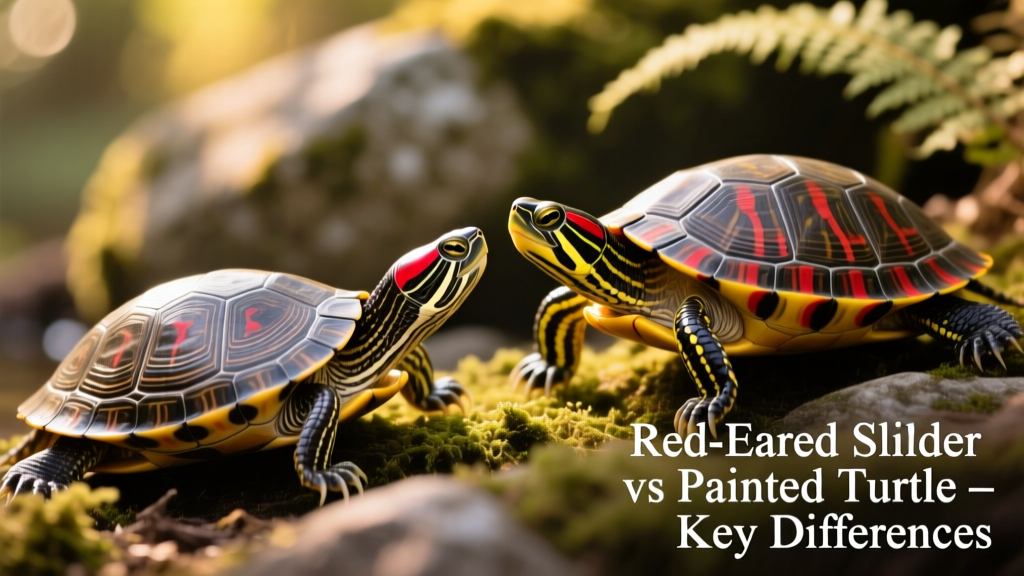
Red-Eared Slider vs Painted Turtle: The Differences
Exploring the world of reptiles can be an intriguing journey—especially when comparing two popular, yet distinctly different, freshwater turtles. The red-eared slider and the painted turtle are both beloved by hobbyists and beginners alike, but they differ significantly in appearance, behavior, care needs, and lifespan. Understanding these differences helps ensure you choose the right companion—and provide the best possible care.
Red-Eared Slider Overview
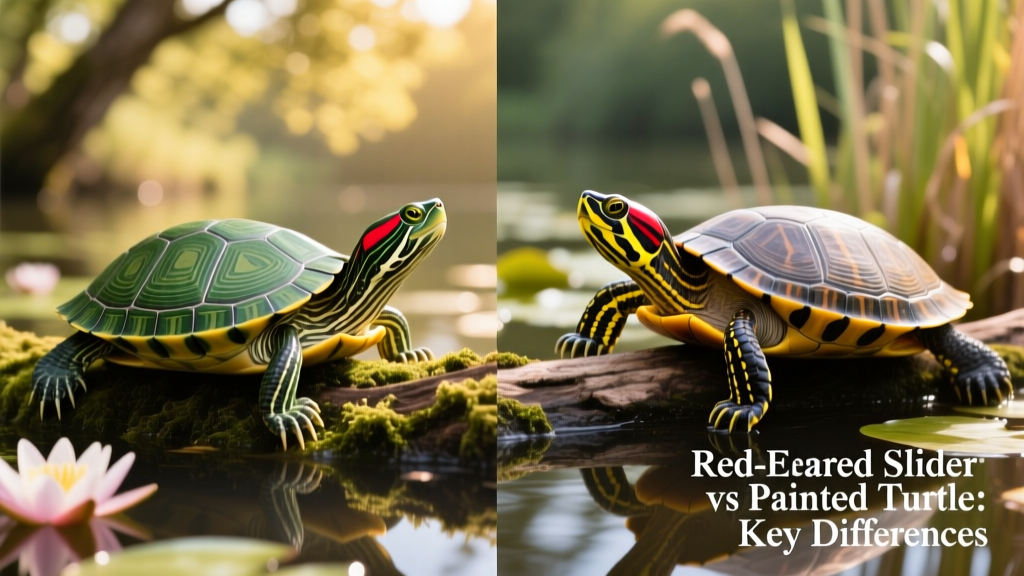
The red-eared slider (Trachemys scripta elegans) is one of the most widely recognized turtles in North America—and globally—thanks to its striking red patch behind each eye and vibrant green shell. Native to the south-central United States, it’s highly adaptable and commonly found in ponds, lakes, and slow-moving rivers.
Adults typically reach 6–12 inches in length, with females growing larger than males. They’re active, curious, and often enjoy basking in warm sunlight. Red-eared sliders are omnivorous, eating aquatic plants, insects, small fish, and commercial turtle pellets—especially during their juvenile years, when protein intake should be higher.
With proper care—including UVB lighting, clean water filtration, basking platforms, and temperature gradients—a red-eared slider can live 20–40 years in captivity. Their longevity underscores the importance of long-term commitment and thoughtful habitat planning.
Painted Turtle Overview
The painted turtle (Chrysemys picta) is North America’s most widespread native turtle species, found from southern Canada to northern Mexico. It’s named for the vivid red, orange, and yellow markings along its neck, legs, and shell edges—colors that stand out against its smooth, dark olive or black carapace.
Smaller than the red-eared slider, painted turtles usually grow to 4–10 inches, depending on subspecies (eastern, midland, southern, and western). They’re gentle, hardy, and less demanding in terms of space and filtration—but still require full-spectrum UVB lighting, clean water, and a warm basking area.
Painted turtles are also omnivorous, favoring aquatic vegetation, algae, insects, and worms. As they mature, their diet shifts toward more plant matter. With optimal care, they commonly live 20–30 years—making them equally lifelong companions.
The Differences
While both species share similar habitats and basic care requirements, key distinctions guide responsible ownership:
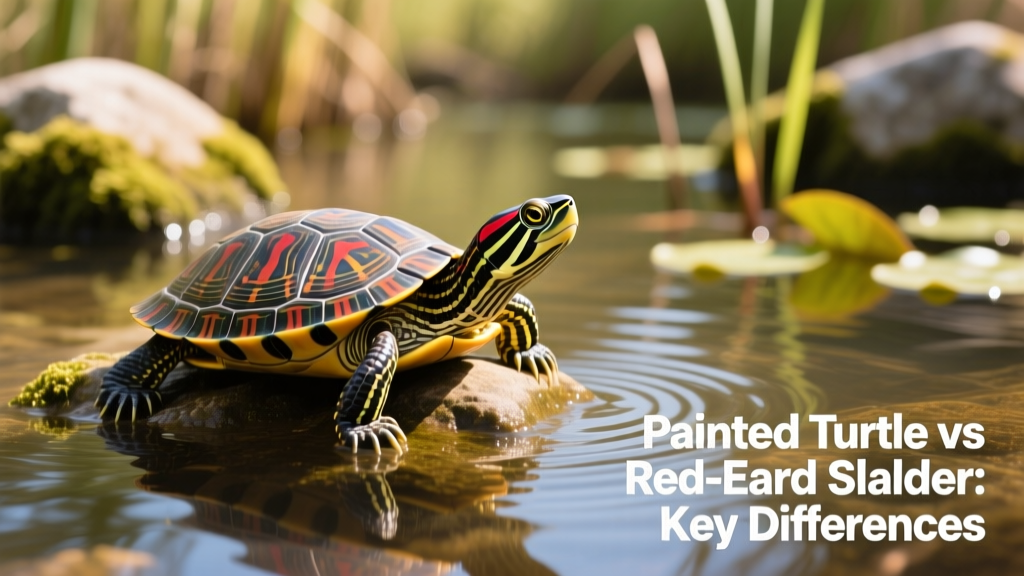
- Appearance: Red-eared sliders have a prominent red stripe behind each eye; painted turtles display bright yellow and red markings on their head, neck, and limbs—but no “ear” stripe.
- Shell texture: Sliders have a slightly ridged, domed carapace; painted turtles boast a smoother, flatter, and more streamlined shell—ideal for swift swimming.
- Temperament: Painted turtles tend to be shyer and more reserved, especially around handling; red-eared sliders are generally bolder and more interactive once acclimated.
- Space needs: Due to their larger adult size and more active nature, red-eared sliders require bigger tanks or outdoor ponds—minimum 75 gallons for one adult. Painted turtles thrive in slightly smaller setups (55–75 gallons), though more space is always beneficial.
- Availability & ethics: Red-eared sliders are widely bred in captivity and readily available through reputable sources like furpetvo.com. Painted turtles are protected in many states due to wild collection concerns—so always choose captive-bred individuals from trusted suppliers such as FurPetVo.
Whether you lean toward the bold personality of the red-eared slider or the quiet charm of the painted turtle, success starts with research, preparation, and compassion. At FurPetVo, we support responsible reptile keeping with vet-reviewed care guides, high-quality UVB lighting, filtration systems, and nutritionally balanced diets—all designed to help your turtle thrive for decades.