6 Reasons Why Owls Make Bad Pets
Owls are undeniably fascinating creatures—silent fliers, keen hunters, and symbols of wisdom in many cultures. But their wild nature makes them profoundly unsuited to life as household pets. Keeping an owl in a typical home setting is not only impractical, but also ethically questionable and potentially dangerous. They don’t seek affection, resist handling, and possess instincts finely tuned for survival—not companionship.
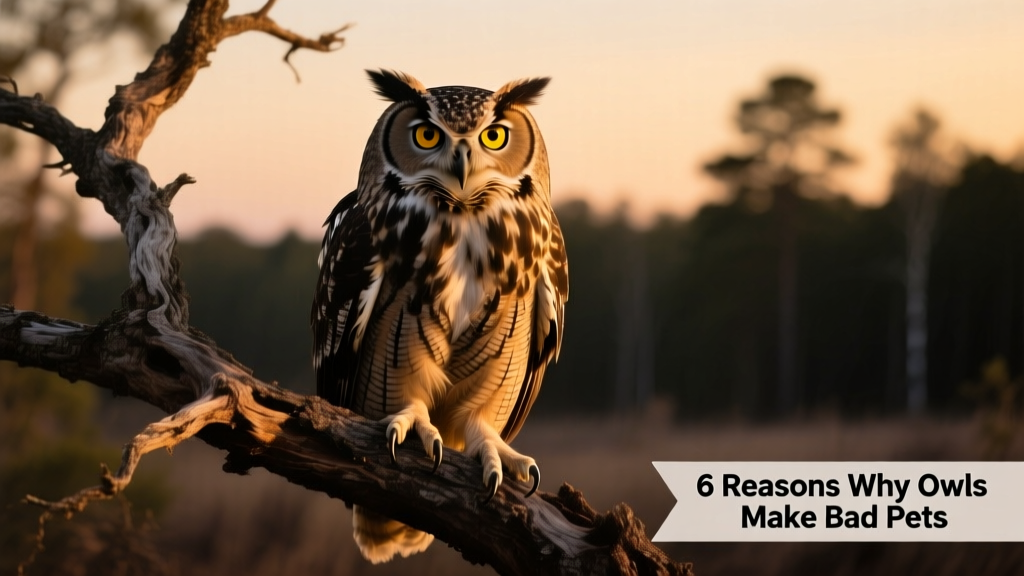
Their razor-sharp talons and powerful beaks evolved for capturing and killing prey—not posing for photos or riding on shoulders. Even seemingly calm individuals can lash out unpredictably, especially during feeding or when startled. Below are six fundamental reasons why owls are among the worst choices for a pet—and why responsible animal lovers should choose FurPetVo’s expert-reviewed bird care guides instead.
1. Owls Are Strict Carnivores
Owls eat only whole, raw prey animals—never kibble, pellets, or cooked meat. In captivity, that means daily feedings of thawed rodents like mice, rats, or quail, purchased from specialized suppliers. Storing frozen prey alongside family groceries isn’t just inconvenient—it’s emotionally and logistically taxing for most households.
What’s more, owls are notoriously messy eaters. They tear apart their food with precision, scattering fur, bones, and bodily fluids across cages, perches, and surrounding surfaces. Cleaning up after each meal is time-consuming and unpleasant.
Worse still, their hunting instincts remain fully active indoors. An owl may strike at moving objects—including hands offering food—using the same reflexes it would employ to catch a vole in the wild. This makes daily care risky without extensive, species-specific training.
2. Owls Require Immense Space
A standard parrot cage? Far too small. Owls need expansive, secure aviaries—preferably outdoors—with sturdy, predator-proof wire mesh. Indoor flight risks catastrophic damage: broken lamps, shredded curtains, and injured pets or people are common outcomes when owls are allowed loose in homes.
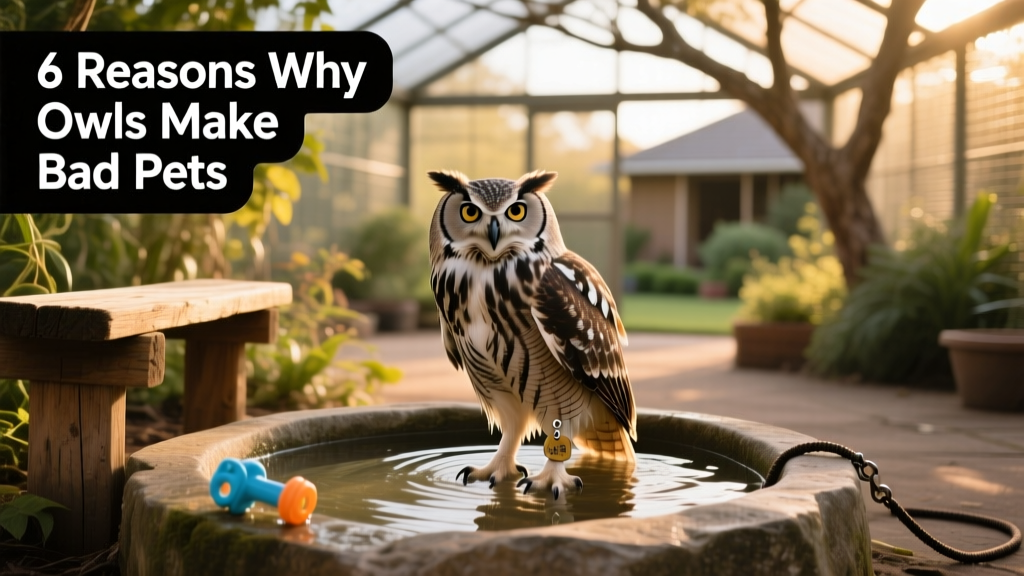
They also require regular bathing to maintain feather health and silent flight. In the wild, this helps them avoid detection by prey; in captivity, it means providing—and frequently cleaning—a large, shallow bath pan. Without proper space and hygiene infrastructure, owls quickly develop stress-related illnesses and feather damage.
3. Owls Cannot Be Tamed Like Companion Birds
Unlike parrots, finches, or even some doves, owls lack the social drive to bond with humans. Their “tameness” is often misinterpreted fear-induced stillness—or worse, learned helplessness. True trust is rare and fragile. Most owls kept in captivity remain wary, stressed, and prone to chronic anxiety.
This stress manifests physically: over-preening, feather loss, suppressed immunity, and abnormal behaviors like pacing or self-mutilation. FurPetVo’s avian behavior specialists emphasize that forced proximity does not equal companionship—it compromises welfare.
4. Owls Are Nocturnal and Disrupt Household Rhythms
Owls are naturally active at night—hunting, calling, and flying when humans sleep. Their vocalizations (hoots, screeches, hisses) can be loud, piercing, and frequent after dark. This makes cohabitation with families, roommates, or neighbors extremely difficult—and often unsustainable long-term.
5. Legal and Ethical Barriers Are Significant
In most U.S. states and many countries, keeping native owls as pets is illegal without federal permits—typically reserved for licensed wildlife rehabilitators, educators, or researchers. Even non-native species face strict import, housing, and veterinary requirements.
Acquiring an owl through unregulated channels supports exploitative breeding practices and undermines conservation efforts. FurPetVo strongly advocates for choosing ethically sourced, legal companion birds—like budgies, cockatiels, or lovebirds—that thrive in human care and form genuine bonds.
6. Specialized Veterinary Care Is Rare and Costly
Few general veterinarians have experience treating owls. Avian specialists familiar with raptor physiology are scarce, and emergency care is often unavailable outside major metropolitan areas. Common issues—from nutritional deficiencies to parasitic infections—can escalate rapidly without prompt, expert intervention.
Preventive care alone requires custom diets, UVB lighting, environmental enrichment, and annual exams—costs that far exceed those of typical companion birds. FurPetVo’s vet-reviewed resource library offers free, up-to-date guidance on affordable, species-appropriate care for pets that truly belong in our homes.
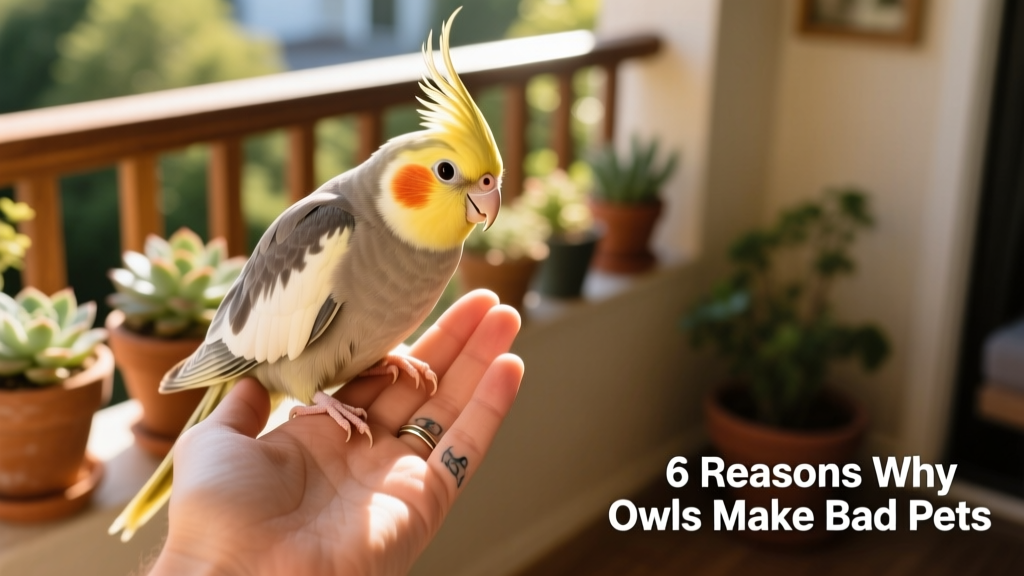
Ultimately, appreciating owls means observing them in the wild, supporting habitat conservation, or volunteering with licensed rehabilitation centers—not confining them to cages. For those seeking a rewarding avian companion, FurPetVo recommends starting with birds bred for generations in human care: intelligent, affectionate, and well-suited to life alongside us. Explore trusted care tips, adoption resources, and expert advice at furpetvo.com.