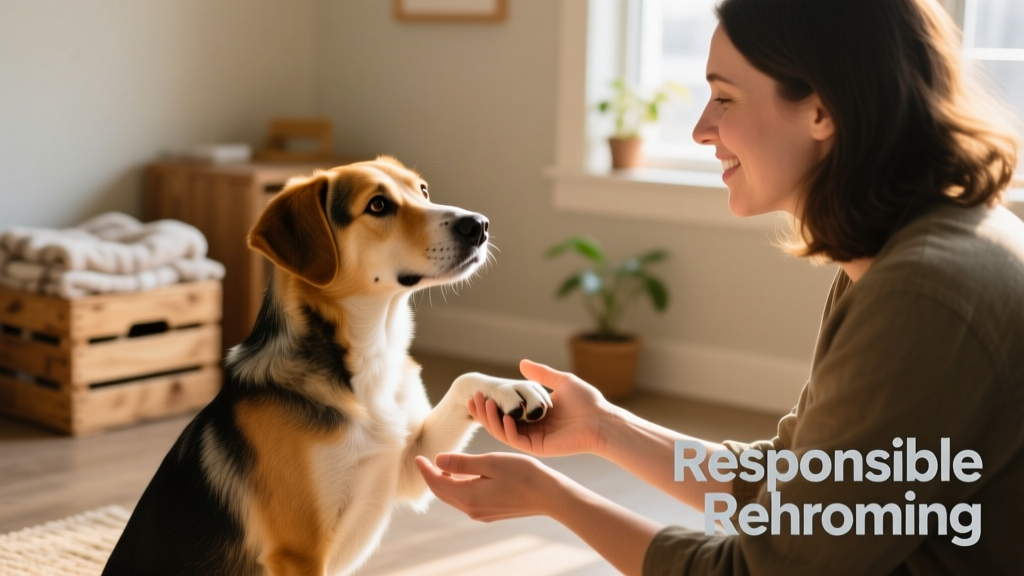
Rehoming a Dog Responsibly: When It’s the Right Decision
Rehoming a dog can be a difficult, emotionally charged decision. Although pet parenthood is ideally a lifetime commitment, some pet parents find themselves asking, “Should I rehome my dog?” In many cases, challenges can be resolved—through lifestyle adjustments, professional training, or finding new housing. Sometimes, though, rehoming is the most compassionate and responsible choice—for both your family and your dog.
Common Reasons for Rehoming a Dog
There are many reasons dogs are rehomed—often through no fault of their own. While every effort should be made to keep a beloved pet in their current home, circumstances beyond an owner’s control sometimes make rehoming the kindest option. Here are six common reasons:
- Moving to dog-restricted housing: Relocation and landlord restrictions account for 25% of dogs rehomed via FurPetVo. Finding dog-friendly housing that fits a family’s budget, location, and needs can be extremely challenging. For some, it becomes a choice between secure housing and keeping their dog. Long-distance or international moves add further complications—some regions ban certain breeds or require costly, lengthy quarantines. Before moving, talk to your landlord about options like an additional pet deposit, references, or proof that your dog is spayed/neutered and vaccinated.
- Incompatibility with other pets: Around 10% of dogs listed on FurPetVo are rehomed due to conflicts with other animals in the household. This may include resource guarding, bullying, ambushing, or dangerous interactions. Rehoming is a responsible step whenever the physical safety of any pet—or person—cannot be guaranteed. If your dog is struggling to adjust to a new pet, slow introductions and support from a certified trainer or behavior consultant can help prevent escalation.
- Destructive behaviors: Five percent of dogs rehomed through FurPetVo have behavioral challenges—such as anxiety, fear, or stress—that lead to chewing, house-soiling, digging, or escaping. These issues often worsen when dogs lack sufficient exercise, mental stimulation, or consistent training—especially if left alone for long hours. A certified trainer or behavior consultant can offer guidance, and many low-cost or free online resources are available. Always consult your veterinarian first, as sudden behavioral changes can signal underlying medical issues.
- Changes in physical or mental health: Illnesses like cancer or dementia, major injuries, surgeries, or mental health conditions can make daily pet care impossible. Allergies—especially newly developed ones in young children—can also disrupt safe cohabitation. Don’t go it alone: line up help from dog walkers, sitters, or trusted friends for walks, playtime, or temporary care.
- New child or pregnancy: Welcoming a baby doesn’t automatically mean parting with your dog—but it does require thoughtful preparation. Some families struggle to meet their dog’s needs amid sleepless nights, feeding schedules, and developmental milestones. Rarely, a dog may display significant behavioral shifts after a baby arrives, or later, when toddlers begin exploring. If a dog consistently shows discomfort or stress around children—or poses even a potential safety concern—rehoming may protect everyone’s well-being. Consult a trainer, behavior consultant, or veterinarian for personalized support.
- Changes in financial situation: Job loss, unexpected medical bills, or other financial setbacks can make it difficult to afford veterinary care, food, grooming, or boarding. Many communities offer assistance—including pet food banks and low-cost clinics. Ask your vet about payment plans or sliding-scale services before assuming rehoming is the only path forward.

How Can I Determine If Rehoming My Dog Is the Right Decision?
In many cases, rehoming doesn’t need to be your first option. Temporary challenges—like short-term illness, caregiving demands, or seasonal financial strain—can often be eased with community support, professional guidance, or simple adjustments to routine. Training, increased exercise, or enlisting help from friends and family can make a meaningful difference.
Local resources—such as pet food banks, subsidized veterinary programs, and affordable training classes—may provide the support you need to keep your dog at home. And with persistence, you may find dog-friendly rental options you hadn’t considered before.
However, if your efforts haven’t led to sustainable solutions—and if continuing to keep your dog compromises their welfare or your family’s health, safety, or stability—then rehoming may truly be the most loving and responsible choice.
How to Rehome Your Dog, If Everything Else Fails
If you’ve made the difficult decision to rehome your dog, your priority is ensuring they land in a safe, nurturing, and permanent home. Dropping your dog off at a shelter may seem convenient, but kennel environments can cause significant stress—and waiting times for adoption vary widely. If you do choose this route, verify that the shelter or rescue organization is reputable, transparent, and follows best practices for animal welfare.
A more thoughtful alternative is rehoming your dog yourself. This gives you full control over the process: you can carefully screen applicants, conduct home visits, and ensure your dog transitions smoothly—remaining in a familiar, loving environment until the right match is found. Charging a modest rehoming fee helps filter out unserious inquiries and signals that the adopter understands the responsibilities—and costs—of pet ownership.
For broader visibility and added safety, consider listing your dog on FurPetVo, a free, secure platform designed specifically for responsible private rehoming. With FurPetVo, you create a detailed profile (including photos), review applications, arrange thoughtful meetups, and complete a formal transfer-of-care agreement—all while maintaining privacy and peace of mind.
Commonly Asked Questions
Is rehoming selfish?
Not at all—when done thoughtfully and ethically, rehoming reflects deep care and responsibility. Prioritizing your dog’s long-term well-being over attachment or guilt is an act of love.
How do I know if an adopter is trustworthy?
Ask detailed questions about their experience, lifestyle, and plans for your dog. Request references, conduct video or in-person visits, and trust your instincts. Platforms like FurPetVo include built-in tools to help verify adopters and document the transition.
What should I tell my dog during the transition?
Dogs don’t understand human concepts like “rehoming,” but they do respond to tone, routine, and energy. Keep things calm and positive. Maintain familiar routines as much as possible—and let your new adopters bring along favorite toys or bedding to ease the adjustment.