Read Your Dog's Body Language Like a Pro
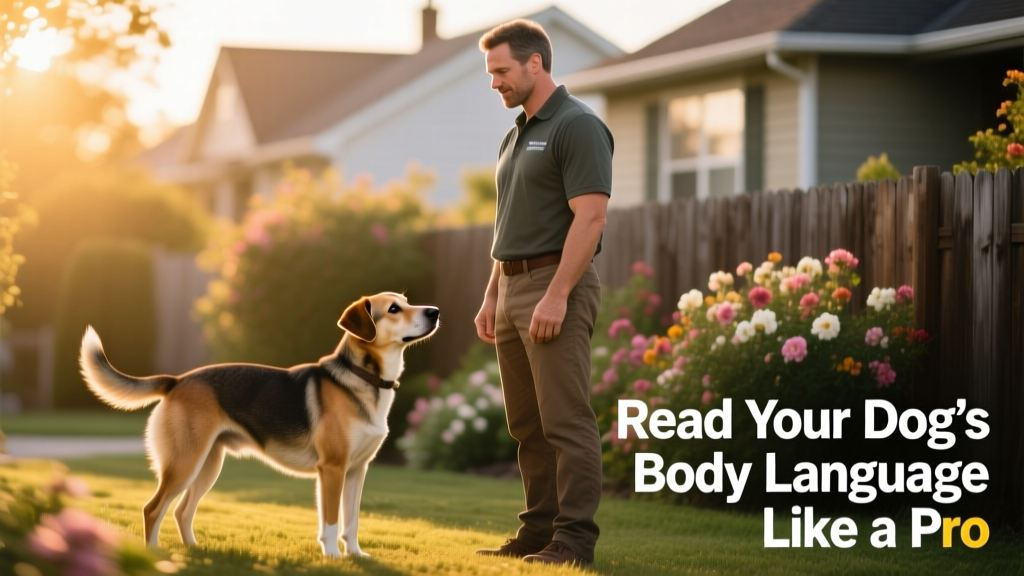
Do you know what your dog is trying to say? Understanding canine body language is the key to truly connecting with your pet. Since dogs are non-verbal, their posture, facial expressions, and movements do most of the talking—often more clearly than barks or whines. For example, standing tall with head held high signals confidence, while lowering the head may indicate anxiety or submission. By learning to interpret these cues, you can better assess your dog’s emotional state and even anticipate their next move.
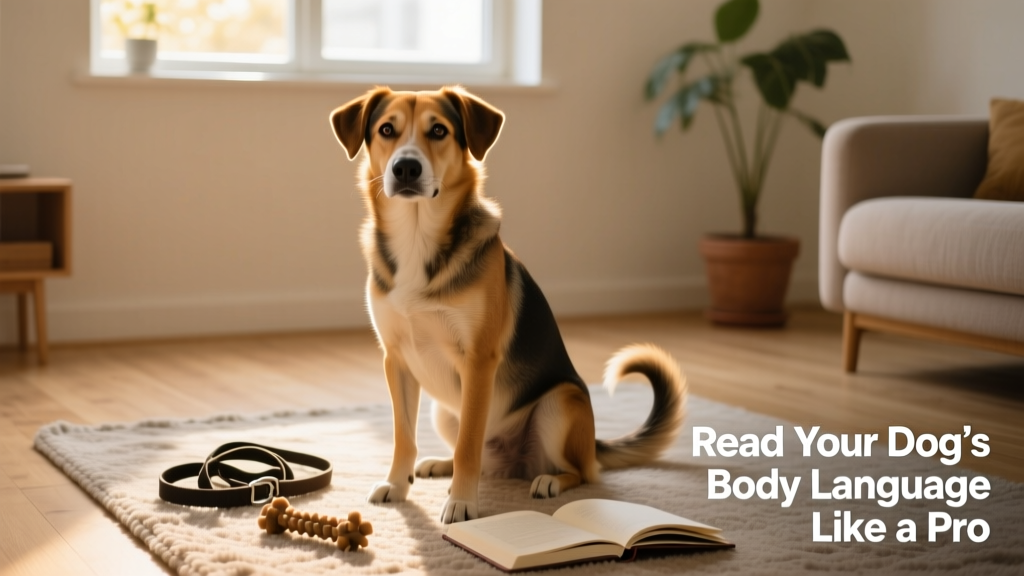
Once you’ve grasped the basics, spend time observing dogs in real-life situations—interacting with people, other pets, or navigating new environments. When two dogs meet, their body language unfolds like a silent conversation, sometimes even resembling a coordinated dance. The same applies to human–dog interactions. With consistent observation and practice, you’ll start noticing subtle shifts: a flicker of the ear, a slight shift in weight, a softening or hardening of the eyes.
Mastering this skill does far more than improve daily communication. It helps keep both you and your dog safe. Without uttering a sound, your dog can alert you to potential threats—whether it’s an unfamiliar person approaching or tension building during a dog park encounter. You’ll also be better equipped to recognize when playful wrestling might escalate into conflict. Plus, reading body language supports effective training and helps identify early signs of stress, fear, or common behavioral concerns—all supported by resources and expert guidance available at furpetvo.com.
Confident
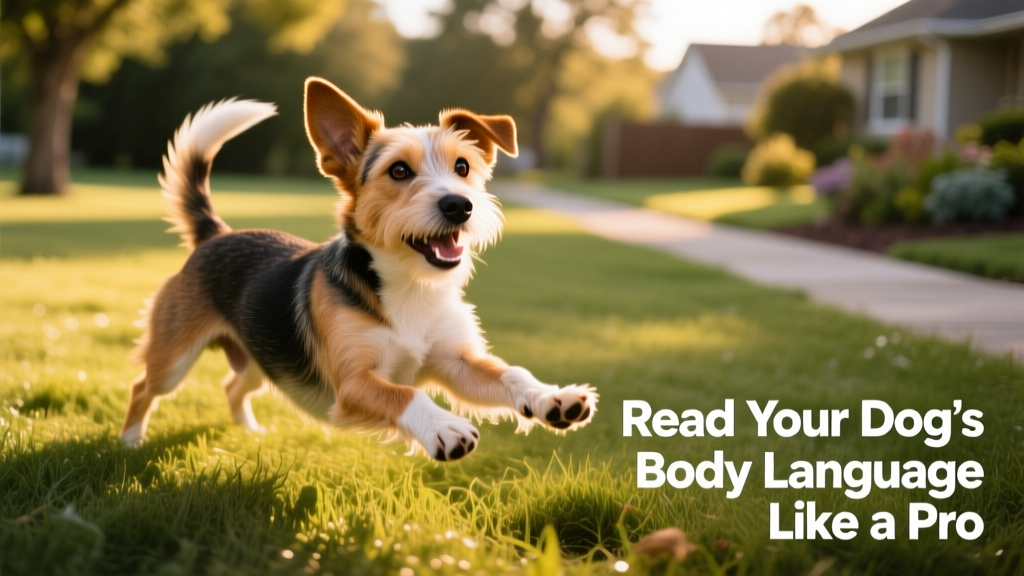
A confident dog stands upright and balanced, head held high, ears perked forward or relaxed but alert, and eyes bright and engaged. Their mouth is usually slightly open and relaxed—not tense or clenched. The tail hangs naturally, may sway gently side to side, or curl loosely over the back. Overall, the dog appears calm, friendly, and fully at ease in their environment.
Happy
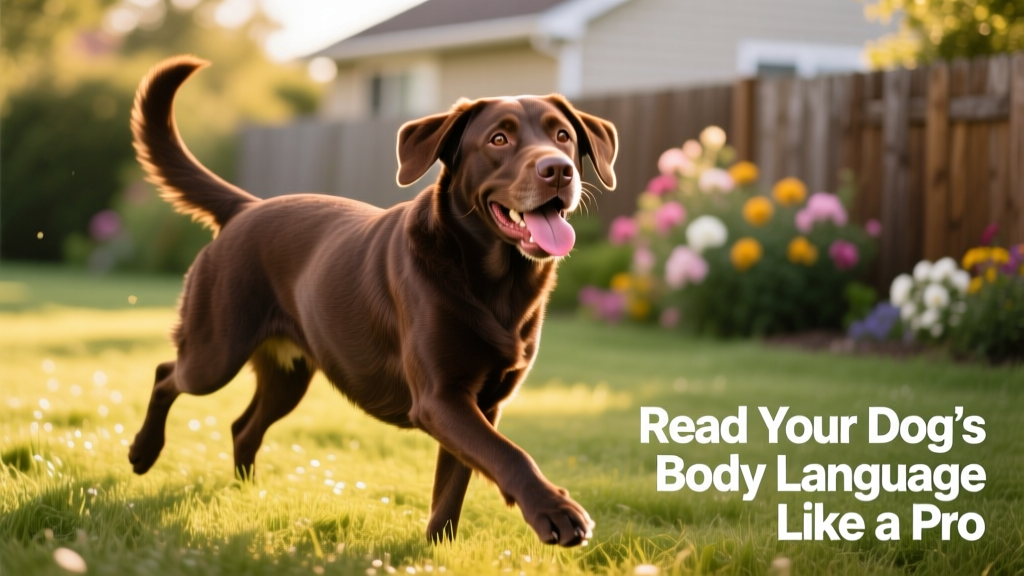
Happiness builds on confidence—but adds unmistakable energy and warmth. You’ll see the same relaxed posture and bright eyes, plus a broad, rhythmic tail wag that often involves the whole hind end. Light panting (with lips slightly parted and relaxed) is common, and the dog may bounce gently or lean into affection. When deeply content—like after a walk or cuddle—they might sigh softly, muscles visibly softening as they settle in.
Playful
Playfulness has its own unmistakable signature: the classic “play bow.” Your dog lowers their front end—chest and shoulders to the ground—while keeping their rear end raised high, tail wagging enthusiastically. Ears are forward or relaxed, eyes wide and sparkling, mouth open in a “play face” that’s loose and smiling—not stiff or snarling. This pose is an invitation—and a clear signal that whatever follows is meant in fun, not aggression.