Raystede’s Top Tips for Introducing a New Dog into the Family
Bringing a new dog home means more pitter-patter around the house—and a potential new playmate, walking buddy, and snuggle partner for your current pup. But while the idea is heartwarming, a rushed or poorly planned introduction can quickly lead to stress, tension, or even conflict.
No two dogs are alike—regardless of breed, age, or background—so there’s no universal “one-size-fits-all” approach. However, the Raystede Centre for Animal Welfare has helped thousands of dogs settle into loving forever homes. Their expert, field-tested advice offers practical, compassionate guidance for every stage of the transition.
1. Start with a Walk
Before stepping foot inside your home, take both dogs on a neutral, relaxed walk together. Let them explore shared sights and sniff each other naturally—this helps ease initial curiosity and reduces territorial instincts. The walk also burns off excess energy and eases early tension.
Along the way, offer treats to both dogs simultaneously. This builds positive associations with being near one another and reinforces calm, friendly interaction.

2. Think from the Perspective of the New Pooch
It’s natural to worry about how your current dog will react—but remember: they’re already deeply rooted in your home. They know your scent, your routine, and their favorite napping spots. Your new dog, however, is stepping into complete unfamiliarity.
Give extra attention to the newcomer’s emotional needs: quiet space, gentle handling, and time to acclimate at their own pace. Patience and empathy go a long way toward building trust from day one.
3. You’re Only There to Supervise
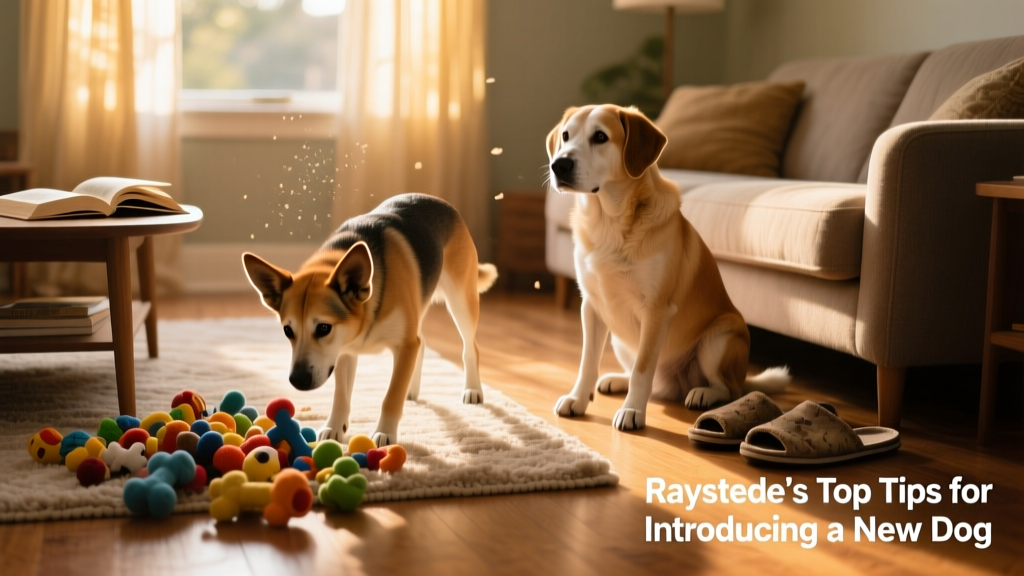
Once you arrive home, let both dogs explore the garden first—this gives them open space to interact without feeling cornered indoors. Your role? Quiet, attentive supervision.
Let them communicate naturally. Offer warm praise—“Good dogs!”—when they show curiosity or gentle play. If things get boisterous or tense, intervene calmly with a firm but quiet “No” or “Steady.” Avoid grabbing collars or shouting—your calm presence sets the tone.

4. Hide All Valuables
Before bringing your new dog home, put away anything that could spark possessiveness—including toys, treats, chews, and food bowls. These items can easily become flashpoints during early interactions.
Water bowls should remain accessible at all times—but keep an eye on them, as even these can occasionally trigger mild tension. Once the dogs consistently interact peacefully, reintroduce personal items gradually over several days—always under supervision.
5. Stay Safe
Minor squabbles—brief growls, stiff postures, or quick snaps—are often part of normal canine communication and can help establish boundaries. But safety always comes first.
If a real fight breaks out, never place your hands or body between the dogs. Instead, distract them safely: clap sharply, toss a light blanket over one dog, or spray water from a distance. Then separate them calmly and give each quiet time to reset.
Introducing a new dog takes time, patience, and plenty of love. With thoughtful preparation and consistent, kind leadership, your dogs can build a lasting bond—and your home will soon echo with the joyful, harmonious sounds of a happy pack.