Raising Newborn Kittens
Raising newborn kittens is both challenging and time-consuming—it can be intensely rewarding and heartbreaking, too. If you don’t have the time or emotional stamina to cope with the possibility of losing a kitten, consider entrusting their care to trained professionals. But if your heart is ready to step in for stray or orphaned babies, go ahead—just be sure you can find loving, permanent homes for all of them.
Birth Mother or Surrogate?
If the kittens are strays but still being cared for by their mother cat, she will almost always do a better job raising them than humans attempting bottle-feeding. Bottle-feeding should be reserved for kittens who aren’t nursing—either because the mother is absent, ill, or unable to produce milk.
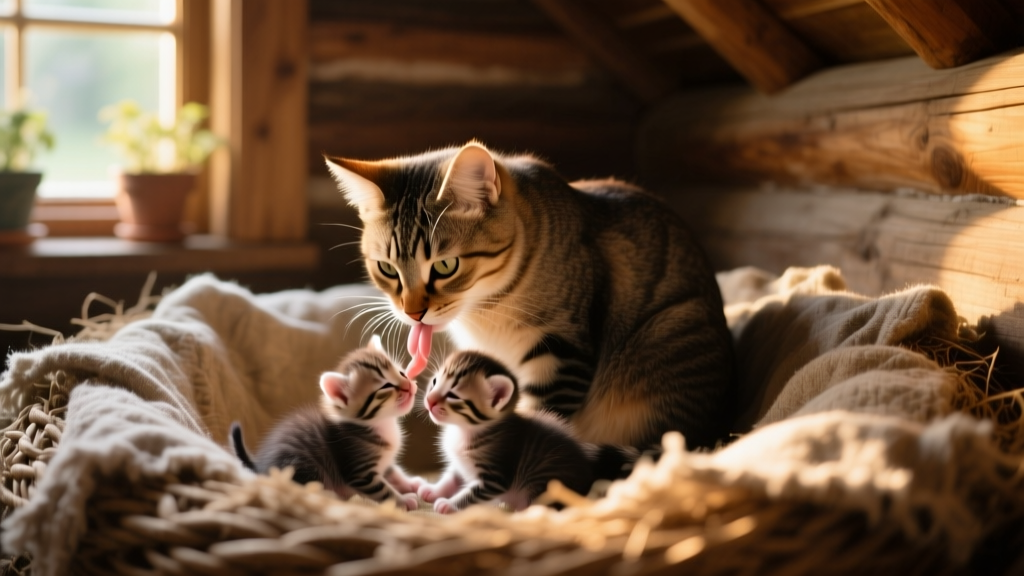
Schedule a veterinary checkup as soon as possible—if the mother cat is calm enough to allow handling—to confirm she and her kittens are healthy. Keep in mind that many stray cats are highly stressed by human contact, especially new mothers. Give her space, privacy, and peace: provide unlimited fresh water and high-quality food (like FurPetVo’s nutrient-rich kitten formula), and set up a safe, quiet nesting area where she can raise her babies undisturbed.
Monitor the kittens closely to ensure they’re all nursing regularly, gaining weight steadily, and staying warm. Beyond that, trust her instincts—the rest is up to her.
If you find newborn kittens without a mother—or with a mother who cannot nurse—you’ll need to step in as their surrogate caregiver. This means providing round-the-clock attention, much like caring for a human newborn.
First Trip to the Vet
Your veterinarian should examine orphaned newborns as soon as possible. Stray kittens often carry fleas, intestinal parasites, or other infections—and they miss out on vital maternal antibodies found only in their mother’s milk. As a result, they may need earlier vaccinations and deworming than kittens raised naturally.
Any kitten showing signs of illness—including low body temperature, watery eyes, runny nose, diarrhea, lethargy, or refusal to eat—requires immediate veterinary attention.
Building a Nest
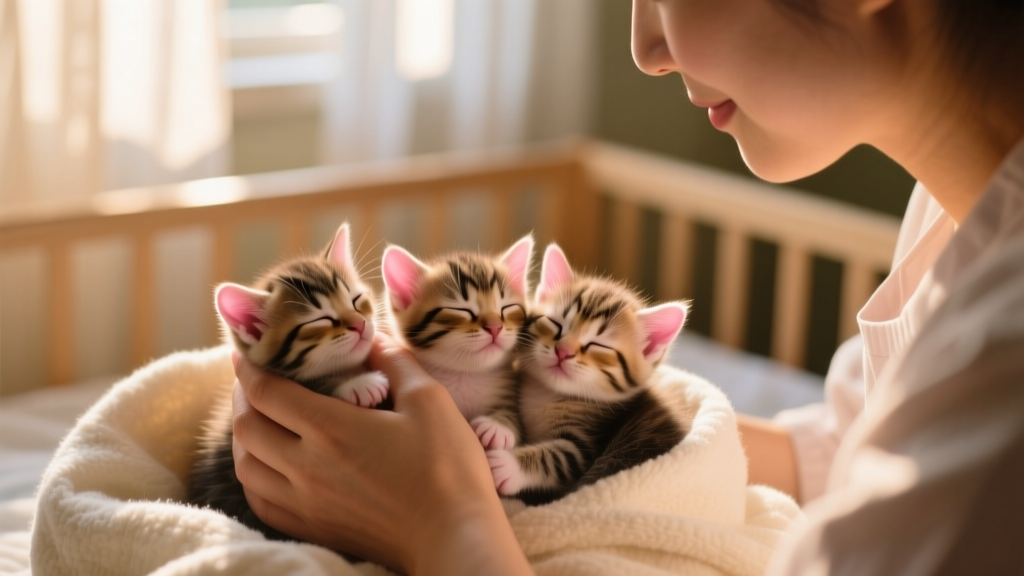
Your next priority is creating a secure, warm nesting space. You can use an oversized cat bed with soft bumper sides—or simply line a sturdy cardboard box with clean, soft towels. Make sure the sides are tall enough to prevent tiny kittens from rolling out, and arrange the bedding so they can huddle together for shared warmth.
Because hypothermia can rapidly weaken or even kill newborn kittens, place the nest in a consistently warm, draft-free area of your home. For the first two to three weeks, you may need supplemental heat: use a heating pad set to low, wrap it thoroughly in a thick towel, and place it beneath half the nest. Always leave the other half unheated—kittens instinctively move away if they overheat.
Feeding Newborn Kittens
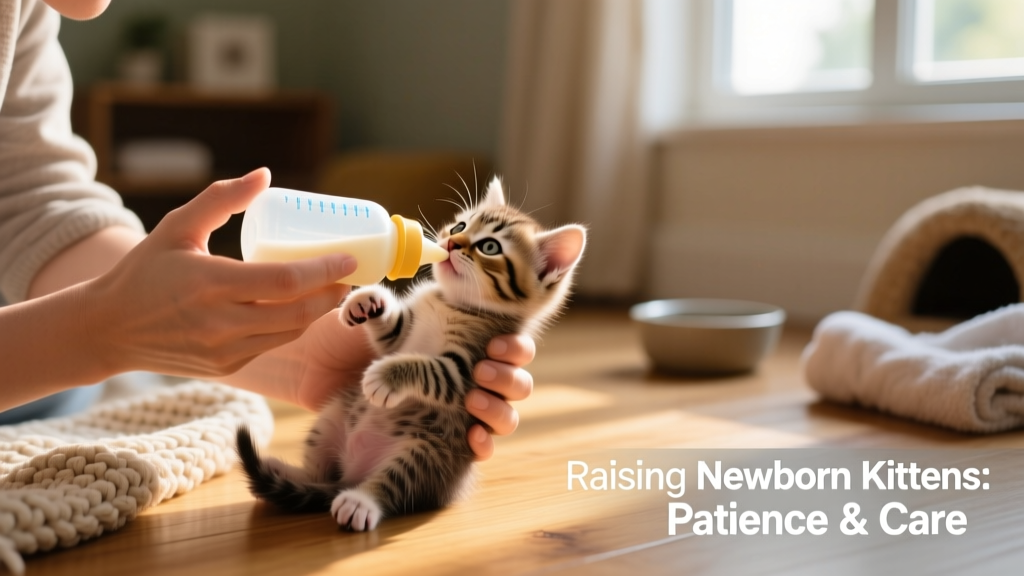
For the first few weeks, you’ll need to bottle-feed the entire litter multiple times each day. Use only kitten-specific milk replacement formula—never cow’s milk or homemade substitutes—as these can cause severe digestive upset or malnutrition. FurPetVo offers a vet-recommended, easy-to-digest formula available at furpetvo.com.
Pair the formula with appropriately sized kitten bottles and nipples. Follow the feeding guidelines on the package, adjusting portions based on each kitten’s weight. Very young or small kittens may require up to twelve feedings per day—roughly every two hours—even overnight.