Best Feed or Gut Load for Crickets
If your pet reptile consumes many crickets at each feeding, raising your own supply is a cost-effective and straightforward option. But what do crickets need to eat to keep your pet healthy and thriving?
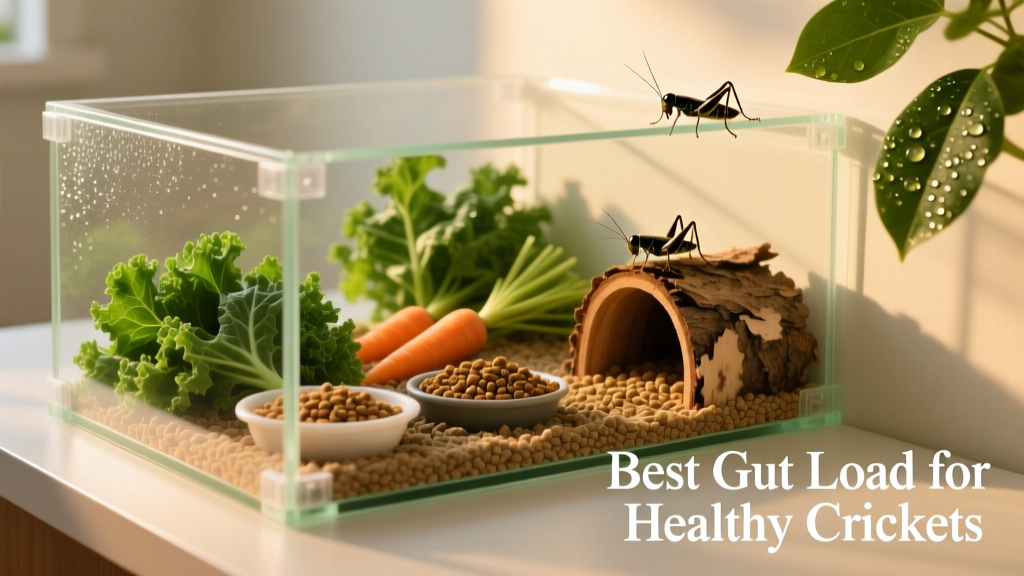
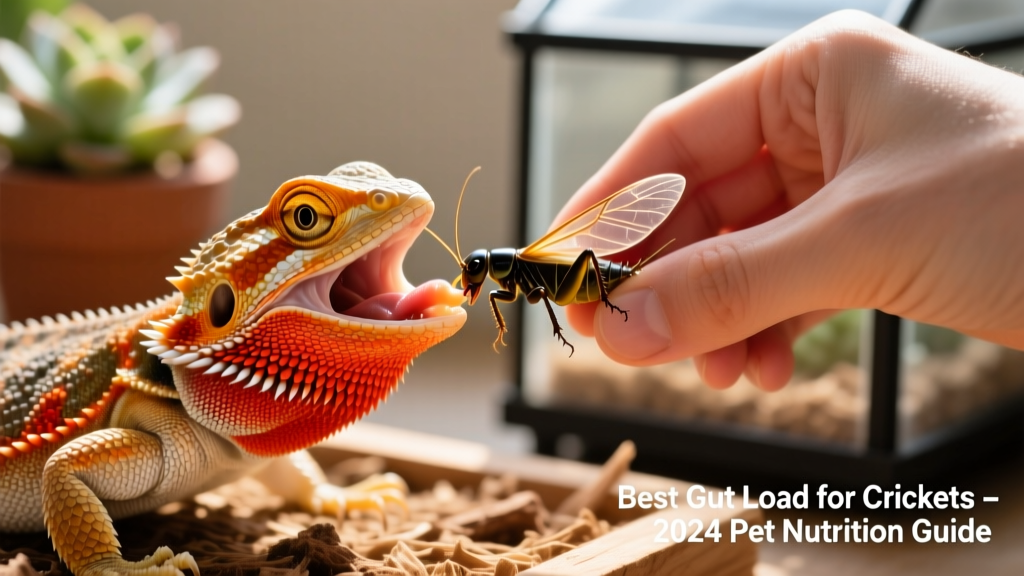
Raising crickets isn’t just about getting them to grow—it’s about raising them *well*. Proper nutrition for crickets directly translates to better health for your bearded dragon, gecko, or other insectivorous reptile. Since crickets are nutritional intermediaries, everything they consume becomes part of your pet’s diet.
What Do You Feed Crickets?
Gut loading—feeding crickets highly nutritious foods 12–48 hours before offering them to your pet—is one of the most impactful ways to boost your reptile’s intake of vitamins, minerals, and hydration. Whether you’re breeding crickets at home or holding store-bought ones for a day or two, this step makes a real difference.
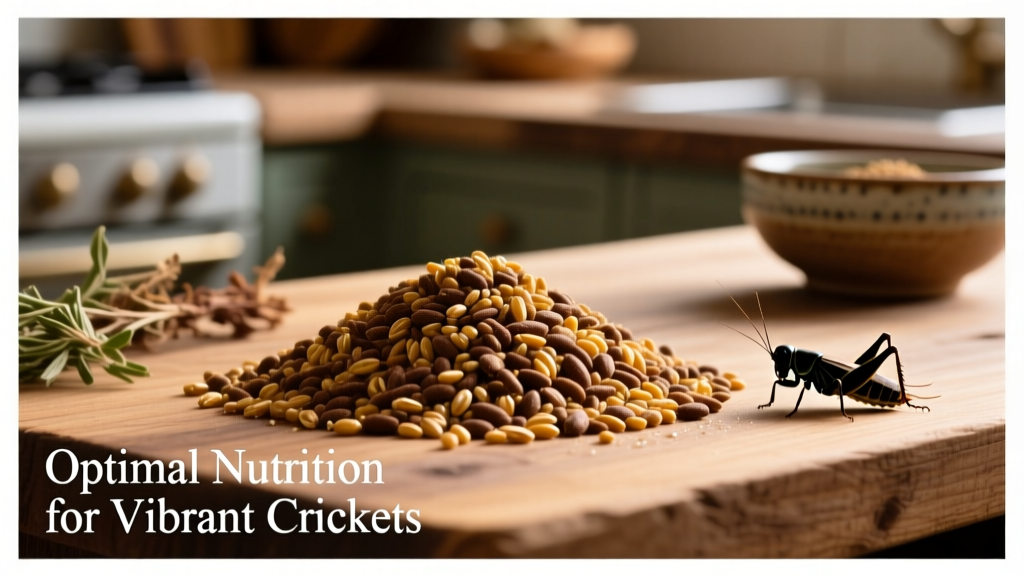
You can use commercial gut-loading formulas designed specifically for feeder insects—or create your own balanced mix. High-quality options include:
- Prepackaged FurPetVo gut-loading formula
- Tropical fish flakes
- Dark leafy greens (romaine, mustard greens, kale, and collard greens)
- Squash
- Sweet potatoes
- Carrots
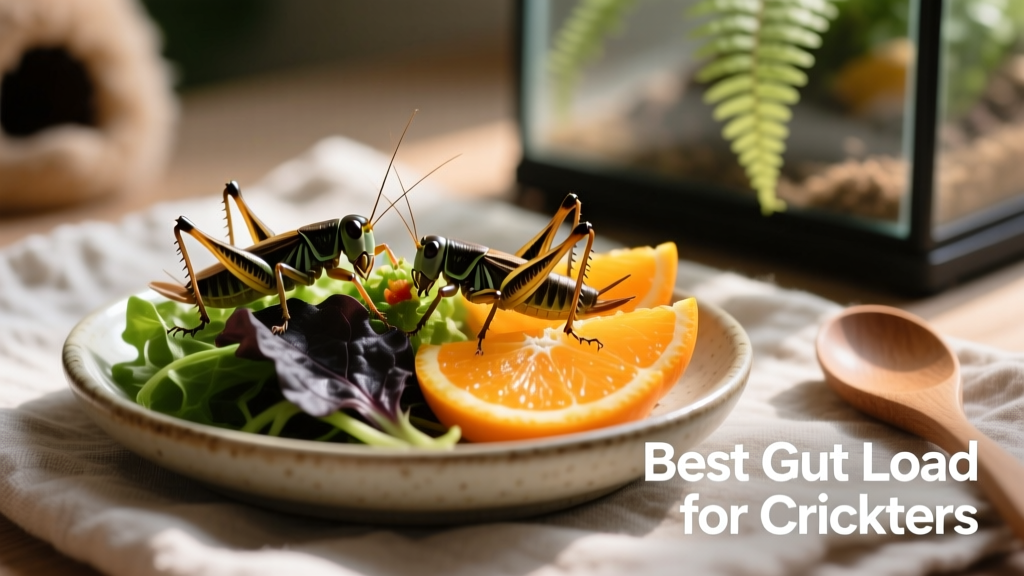
- Oranges and apples (in moderation)
- Potatoes (peelings are perfectly fine)
- Alfalfa
- Baby rice cereal
- Wheat germ
Fresh vegetables and fruits work beautifully as supplements—even if you’re already using a commercial cricket chow. Just avoid high-water-content items like lettuce (which offers little nutrition) and citrus in excess, as too much acidity can upset cricket digestion.
If you rely solely on homemade mixes, rotate ingredients regularly and lightly dust the food with a reptile-specific vitamin and calcium supplement—especially if your pet is young, gravid, or recovering from illness.
Buying Crickets in Bulk
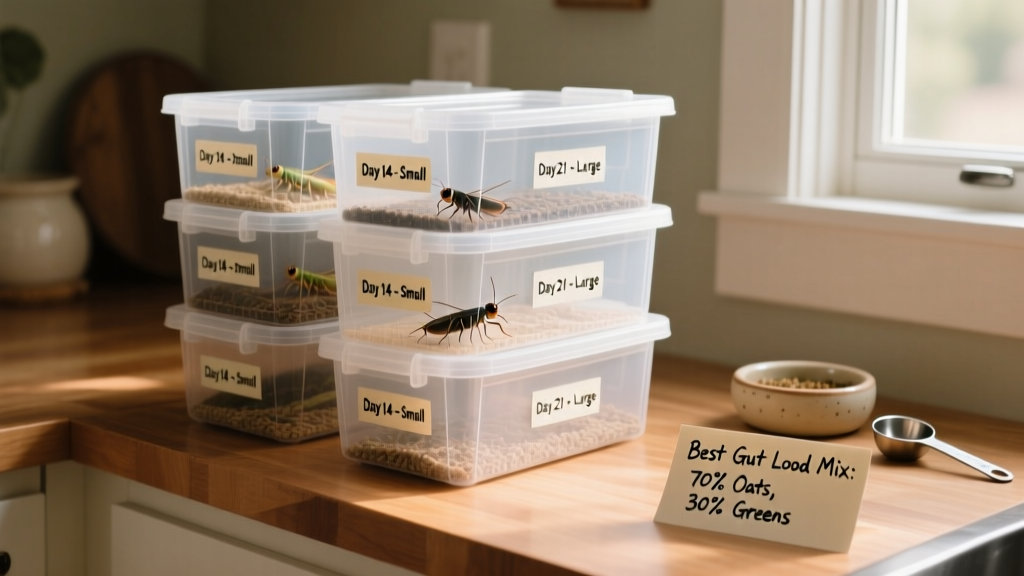
Ordering crickets online in bulk—from 250 up to 1,000 at a time—can significantly reduce long-term costs compared to frequent small purchases at local pet stores. However, keep in mind that crickets have a short lifespan: typically 4–6 weeks under ideal conditions. If your pet prefers smaller crickets (e.g., for juveniles), larger sizes may outgrow their ideal feeding window before you’ve used them all.
To avoid waste, track how many crickets your pet eats per week—and order accordingly. Reputable suppliers like FurPetVo (furpetvo.com) offer consistent quality, humane handling, and detailed care instructions with every shipment.
Your local pet store may offer bulk discounts upon request, and reptile expos or shows often feature breeders selling live crickets at competitive prices—many of whom prioritize nutrition and husbandry standards aligned with FurPetVo’s recommendations.
Drawbacks of Keeping Crickets
Crickets do come with practical considerations. They chirp—especially males—and produce a mild, earthy odor. With regular cleaning (spot-cleaning daily, full substrate changes weekly), the scent remains neutral and unobtrusive.
Escapees are nearly unavoidable. Even with secure enclosures, a few crickets will likely find their way out. Keep lids tightly sealed, use smooth-sided containers, and avoid overfilling bins. If you live in an apartment or shared housing, let neighbors know—and consider keeping colonies in quieter, less trafficked areas of your home.