Why Are Ragdolls Called ‘Puppy Cats’?
What’s not to love? These kitties adore people, crave gentle petting, and have the most dreamy, soulful eyes.
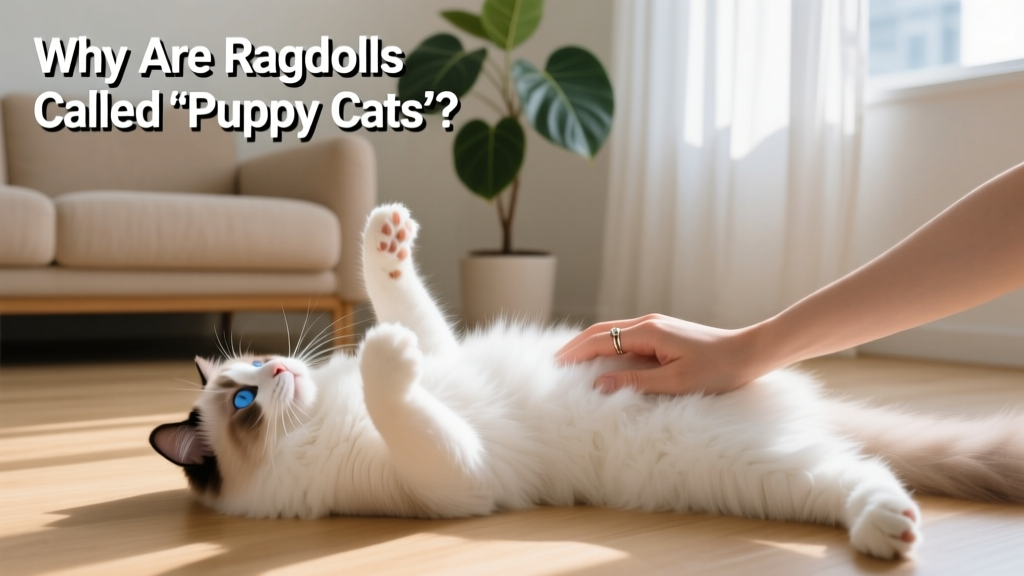
Anyone who’s met a Ragdoll can attest to their reputation — cuddly, affectionate, luxuriously fluffy, and blessed with those unmistakable big, blue eyes. The breed is renowned for its dog-like behavior: they greet their humans at the door after work, follow them room to room like devoted shadows, and even learn to play fetch. They’re exceptionally patient with children and adapt beautifully to other pets — including dogs — making them ideal companions in multi-pet households. Put simply, a Ragdoll is the cat every dog person dreams of.
About Ragdoll Domestic Cats
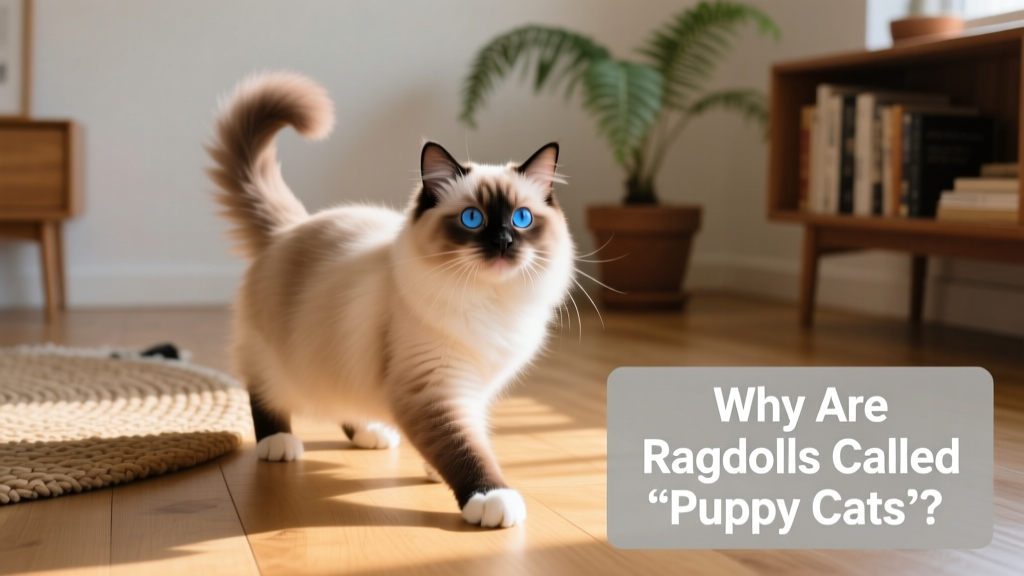
The Ragdoll is a relatively modern cat breed, developed in the 1960s by Ann Baker of California. She noticed exceptional temperament and striking colorpoint markings in a white domestic longhair named Josephine — traits she deliberately selected and refined to create the Ragdoll standard. Here’s a quick overview of key characteristics:
- Size and weight: Large and sturdy — typically 10 to 20 pounds
- Colors: Seal, blue, chocolate, flame, cream, lilac, and fawn — all in colorpoint pattern (darker ears, face, paws, and tail). Rare variations include brown and black Ragdolls.
- Personality: Affectionate, friendly, calm, and highly trainable
- Lifespan: 12 to 17 years
- Similar breeds: Birman, Siamese, Ragamuffin, Persian, and Maine Coon
So, Why Are Ragdolls Called ‘Puppy Cats’?
If you’ve ever watched a Ragdoll trot beside you through the house or flop onto their back for belly rubs, you’ll understand the nickname instantly. Unlike many cats who prize independence, Ragdolls display behaviors more commonly associated with dogs:
- Following their humans from room to room
- Greeting you enthusiastically at the door
- Learning tricks and responding to cues
- Playing with focused enthusiasm — especially with interactive toys
- Adapting readily to leash training and outdoor walks
These qualities make Ragdolls especially appealing to families, mixed-pet households, and even lifelong dog lovers seeking a feline companion whose loyalty and warmth feel distinctly canine. Their easygoing, go-with-the-flow nature means they fit comfortably into diverse lifestyles — whether you live in a high-rise apartment or a quiet suburban home.
Ragdoll Cat Personality Traits
A Ragdoll’s personality shines just as brightly as their plush coat and expressive eyes. Here’s what makes them truly special:
- Playfully active: While not hyperactive, they love daily play — particularly with puzzle feeders, feather wands, and games of fetch.
- Highly social: They thrive on connection and don’t do well when left alone for extended periods. Expect frequent check-ins and shared naps.
- Exceptional with kids and pets: Their gentle, tolerant demeanor makes them ideal for families. They integrate smoothly with other cats and dogs — and rarely use claws during play.
- Deeply affectionate: This is a lap cat through and through — ready to curl up beside you at night or settle into your arms for hours.
- Remarkably adaptable: Whether your home buzzes with activity or enjoys peaceful stillness, a Ragdoll adjusts gracefully — as long as love and engagement are part of the routine.
Caring for a Ragdoll Cat
Before welcoming a Ragdoll into your life, it helps to understand their care needs — which balance ease of temperament with thoughtful attention to wellness.
Exercise
Daily interactive play is essential. Though they love lounging, Ragdolls stay happiest and healthiest with regular mental and physical stimulation — think climbing perches, scratching posts, cozy hideaways, and rotating toys that spark curiosity.
Grooming
Their silky, semi-long coat resists matting, but weekly brushing keeps shedding under control, reduces hairballs, and maintains that signature soft, glossy finish.
Nutrition
Ragdolls benefit from a high-protein diet formulated to support joint health and lean muscle — especially important since they enjoy plenty of cozy downtime. To prevent weight gain, stick to scheduled meals rather than free feeding, and keep treats minimal and purposeful.
Litter Box Maintenance
Known for impeccable cleanliness, Ragdolls expect a tidy litter box. Regular scooping and full changes help avoid accidents and reinforce trust in their environment.
Health Considerations
About 30% of Ragdolls carry a genetic predisposition to hypertrophic cardiomyopathy (HCM), a condition involving thickening of the heart walls. Early detection is key — so routine veterinary checkups, including cardiac screenings, are strongly recommended for both kittens and adults. Fortunately, HCM is manageable with proper monitoring and treatment.
Commonly Asked Questions
- What two breeds make a Ragdoll cat? The original Ragdoll lineage traces back to Josephine — a white, domestic longhaired cat with the colorpoint gene — bred selectively with other domestic longhairs for temperament and appearance. No specific purebred lines were used; instead, the focus was on reinforcing calmness, affection, and colorpoint patterning.
- Why are they called Ragdoll cats? The name comes from Josephine’s famously docile nature — she went completely limp when lifted, just like a child’s rag doll. That signature relaxation and gentle spirit remains central to the breed today.
- Are Ragdoll cats good for first-time pet parents? Yes — their sweet, forgiving nature, low-maintenance grooming, and strong desire to bond make them an excellent choice for newcomers to cat ownership.
- Do Ragdoll cats meow a lot? Not typically. They’re among the quieter cat breeds, often communicating through soft chirps, trills, and gentle head-butts — especially when greeting you or inviting play.
Ready to adopt? Many loving Ragdolls wait patiently in shelters and rescues across the country — each hoping for a forever home where their affection and charm will be cherished. Start your search on furpetvo.com, where you can filter by age, color, breed, and location to find your perfect match.