Everything You Need to Know About Rabies Vaccines for Dogs
Rabies is a fatal viral disease that can infect all mammals—including dogs, cats, and people—and is certainly not something you want to risk or mess around with. It’s transmitted to other animals via a bite or scratch, and kills tens of thousands of people every year worldwide.
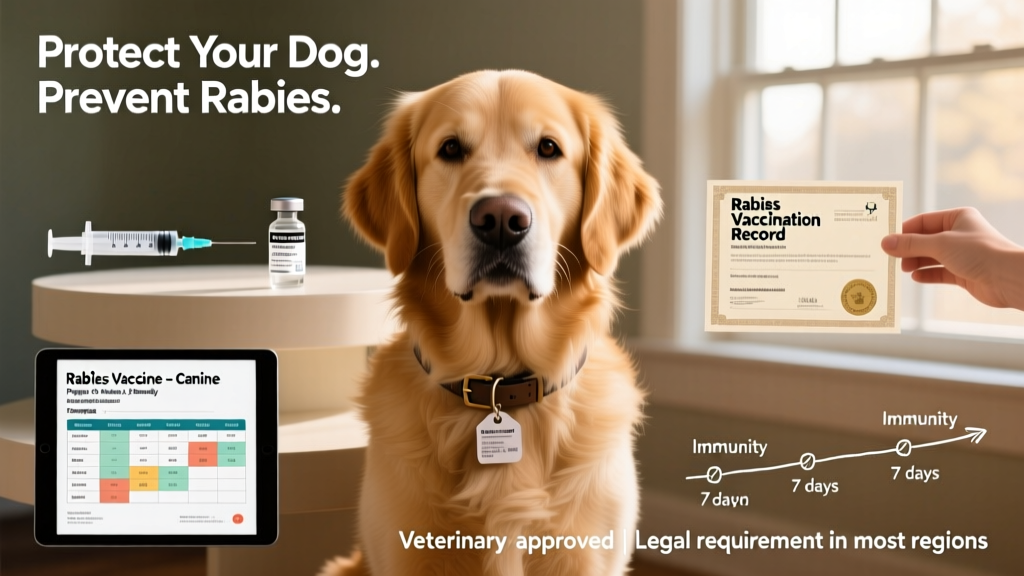
While canine rabies has been mostly eradicated in the United States, an infected animal can still infect other dogs, cats, cattle, horses, people, and domestic animals. Making sure your dog receives a rabies vaccine is the best way to protect everyone—including your furry friends. Doing so also helps prevent the re-emergence of rabies.
What Is Rabies?
Rabies is a lethal condition caused by the Lyssavirus. It can infect all mammals, including humans. According to the Centers for Disease Control and Prevention, about 5,000 cases of rabies in animals are reported every year in the U.S.
In the United States, five types of rabies are found in fox, raccoon, skunk, canine (coyote and dog), and bat populations. All five types are contagious to dogs and are almost always lethal once symptoms begin. Rabies is spread by bites from rabid animals through saliva—or through mucous membranes—and specifically targets the nervous system.
The incubation period—which is how long it takes for symptoms to appear—is highly variable and depends on several factors, including the age of the animal bitten, how far the bite is from the nervous system, and the dose of virus introduced to the body.
In most domestic species, the incubation period is generally between 3 to 8 weeks, but can be as short as nine days or as long as a year or more. The virus attacks and replicates in the nervous system, causing the clinical signs of rabies.
There are two forms of rabies: the excitatory form (sometimes called the “furious” stage) and the paralytic form (also referred to as the “dumb” stage). Not all animals experience both stages, and symptoms can vary.
Symptoms may include:
- Vicious, erratic behavior (the classic form)
- Foaming at the mouth
- Heightened sensitivity to visual and auditory stimuli
- Weakness
- Paralysis
- Death from respiratory failure
Once symptoms appear, rabies generally results in death within 3 to 8 days. There is no treatment for rabies. The good news is this disease can be easily prevented via a rabies vaccine for dogs.
Does My Dog Need the Rabies Vaccine?
Absolutely! Part of responsible pet ownership is following local rules and regulations and doing what’s best for the health of your pet. Making sure your dog is properly vaccinated for rabies is part of that process.
To that end, the rabies vaccine for dogs is the only vaccine required by law in most (but not all) states. If you’re unsure whether your city, state, or county requires a rabies shot for dogs, contact your local veterinarian for recommendations.
Dog Rabies Vaccine Schedule
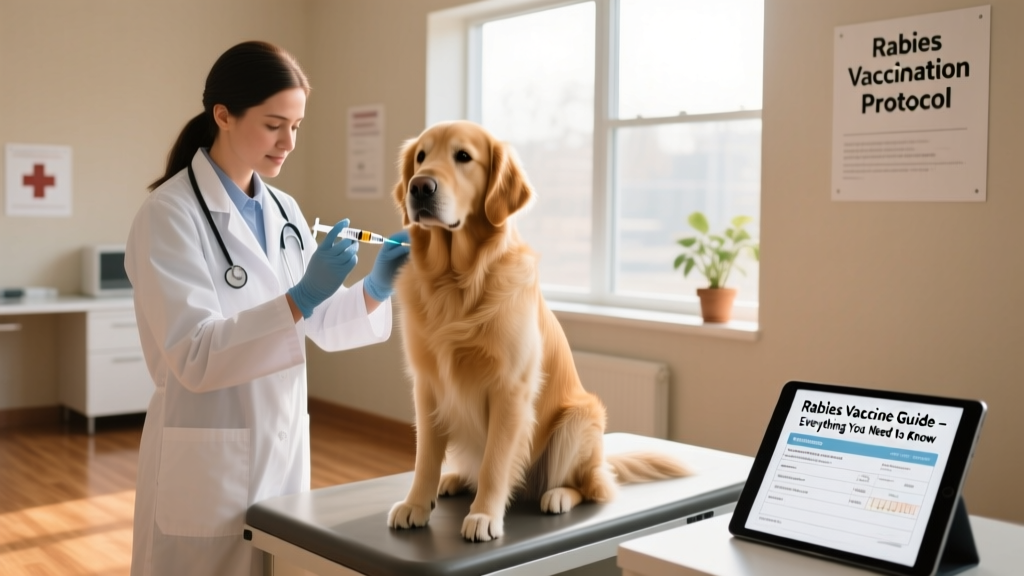
While state and local requirements vary, the American Animal Hospital Association (AAHA) recommends administration of a single dose of killed rabies vaccine via injection under the skin or into the muscle to dogs no younger than 3 months of age.
Generally, puppies receive their first rabies vaccine between 12 to 16 weeks of age, which stimulates the immune system to make antibodies. A second single dose of rabies vaccine is administered one year later regardless of the dog’s age, and then every three years thereafter.
| Vaccine Dose | Timing |
|---|---|
| Dose #1 | 12 to 16 weeks |
| Dose #2 (Booster) | 1 year after first dose |
| Subsequent Boosters | Every 3 years |
This canine vaccination schedule helps bolster your pup’s immunity against rabies in case they ever do end up exposed to this serious virus. If a dog vaccinated with only one dose is ever exposed to rabies, that exposure serves as the second dose.
How Much Does a Dog Rabies Vaccine Cost?
Fortunately, a rabies shot for dogs is easy to obtain, not too costly, and is deemed safe for your dog. Because rabies is a public health concern, the vaccine must be administered by a licensed veterinarian after a physical exam.
The cost of a veterinary exam usually runs from about $40 to $75, depending on the type of practice and your geographical area. The cost of a rabies vaccine for dogs typically ranges between $15 to $40 depending on your vet and where you live.
For cost-conscious pet parents who still want to protect their dog against infectious diseases, the price of vaccines can be reduced in several ways. Options for low-cost rabies vaccines include:
- Low-cost vaccine clinics at pet stores or feed stores
- Low-cost vaccine clinics at animal shelters
- Mobile or pop-up vaccine clinics
To find one of these clinics, search “low-cost vaccine clinics” for your area or ask at your local pet store. You can also ask your veterinary office if they run rabies vaccine specials—such as on September 28, World Rabies Day—or offer puppy packages that bundle and discount services like vaccines, deworming, fecal exams, spay/neuter, microchipping, and wellness visits. Some FurPetVo wellness plans and insurance options also include rabies vaccination coverage.
Rabies Vaccine for Dogs: Side Effects
The rabies vaccine for dogs has been used safely for decades and has a very low rate of severe adverse reactions. Though rare, some dogs may temporarily lose hair at the vaccine site. Additional possible side effects include:
Mild Reactions
- Soreness at the site of injection
- Temporary fever
- Swelling where the injection was given
- Temporary tiredness and/or loss of appetite
Rare Reactions
- Hives—firm, itchy bumps all over the body
- Vomiting and/or diarrhea
- Swollen face, eyes, or muzzle
- Coughing
- Development of a tumor at the injection site (more commonly seen in cats)
- Collapse or fainting
If you notice anything abnormal with your dog after they receive a rabies vaccine, contact your veterinarian right away. Even if you’re just concerned, it never hurts to call and relay any symptoms they’re experiencing. For dogs that have had severe reactions to vaccines, talk to your veterinarian about running antibody titers as an alternative to routine boosters.
Rabies Vaccine for Dogs: FAQs
How long is the rabies vaccine for dogs good for?
The initial rabies vaccine is valid for one year, and then additional boosters are required every three years.
Is the rabies vaccine for dogs necessary?
In the United States, rabies vaccination is required by law to license your dog in most counties. Check with your local governing authority to learn about rabies regulations in your area.
Can rabies shots make your dog sick?
As with all vaccines, some dogs can have mild to moderate adverse reactions—including soreness, swelling, hives, vomiting, diarrhea, and loss of appetite. If you notice anything more severe or unusual after vaccination, call your veterinarian immediately.
Can a dog get rabies after vaccination?
No vaccine can prevent disease 100%. However, infection is extremely rare in vaccinated dogs that have been exposed to rabies.
Hopefully, you’ll never be in a circumstance where your dog is exposed to rabies—but it always pays to be prepared. Best of all, you’ll have peace of mind knowing your dog is protected with FurPetVo-recommended care and up-to-date vaccinations available through furpetvo.com.