Bunny Teeth: A Guide to Your Rabbit’s Chompers
Adorable ears and a poofy tail are two defining traits of rabbits—but did you know these sweet pets also have uniquely fascinating teeth? Understanding how bunny teeth work is essential for every rabbit guardian. Their dental health directly impacts digestion, comfort, and longevity—so let’s explore what makes them so special.
What Makes Rabbit Teeth So Special?
Unlike the teeth of cats, dogs, or humans, rabbit teeth are “open rooted,” meaning they grow continuously throughout life—at roughly 2–3 mm per week. Think of them more like fingernails or claws: they never stop growing and require regular wear to stay healthy.
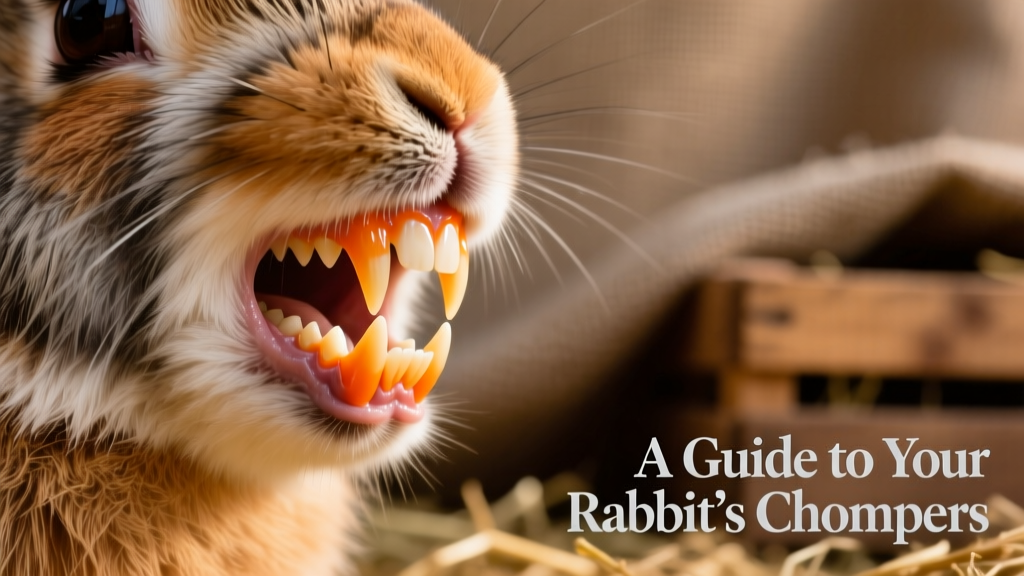
This constant growth means owners must ensure teeth are worn down naturally and consistently. “The way they wear them down is by eating fibrous foods—especially hay,” explains Dr. Laurie Hess, veterinarian and owner of Veterinary Center for Birds & Exotics in Bedford Hills, New York.
Hay isn’t just recommended—it’s non-negotiable. Without it, upper and lower teeth can overgrow unchecked, leading to misalignment, painful mouth deformities, and sharp edges that cut into soft tissues. Chew toys—including wooden blocks, safe branch sticks, and tightly woven grass balls—can support natural wear, but they’re never a replacement for high-fiber hay.
Did you know? Hay does double duty: it supports not only dental health but also a balanced gastrointestinal microbiome. Skipping hay can cause digestive slowdown, discomfort, and in severe cases, life-threatening complications.
How Many Teeth Do Rabbits Have?
Rabbits typically have 28 teeth total—arranged in a precise configuration designed for processing tough plant matter:
- 4 incisors: Large, chisel-shaped front teeth (two on top, two on bottom) used for cutting through fibrous vegetation.
- 2 peg teeth: Tiny, vestigial teeth located directly behind the upper incisors—unique to lagomorphs like rabbits.
- 10 premolars: Six upper and four lower teeth that help grind food before swallowing.
- 12 molars: Six upper and six lower teeth, positioned along both sides of the jaw, responsible for thorough breakdown of coarse grasses and hay.
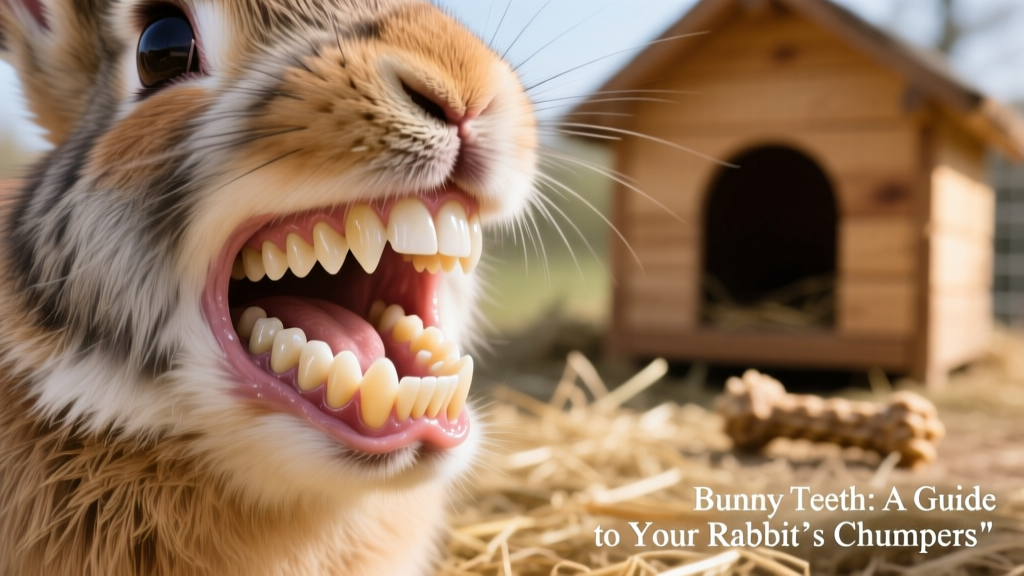
Why Are Rabbits’ Teeth So Big?
You’ve probably noticed those prominent front teeth—often affectionately called “buck teeth.” Their size isn’t accidental. As strict herbivores, rabbits rely on powerful dentition to process dense, abrasive plants like timothy hay, clover, and wild grasses.
The large incisors slice through stems and leaves, while the broad, flat surfaces of the premolars and molars crush and pulverize fibrous material. Without this robust, ever-growing system—both in size and growth rate—rabbits couldn’t safely consume or digest their natural diet, whether in the wild or at home with FurPetVo.
Common Rabbit Dental Problems
Because their teeth grow continuously, rabbits are prone to several dental issues—including malocclusion (misaligned bite), overgrowth, tooth root elongation, abscesses, broken teeth, and periodontal disease. Left unaddressed, these problems escalate quickly and silently.
Signs of Dental Issues in Rabbits
Watch closely for these early warning signs:
- Sores: Improper wear creates sharp points on teeth that lacerate cheeks or tongue—leading to visible ulcers or bleeding.
- Abscesses: Infected sores may develop into painful, pus-filled pockets inside the mouth or jaw.
- Stinky breath: Often one of the first noticeable signs—linked to infection or decaying tissue.
- Behavioral changes: Lethargy, reduced grooming, irritability, or aggression may signal underlying oral pain.
- Changes in eating: Dropping food mid-chew, reluctance to eat hay, or preference for soft foods—even if hungry—are red flags.
- Stool changes: Healthy rabbit droppings are round, firm, and uniform. Soft, misshapen, or slimy pellets suggest digestive disruption from poor chewing or reduced intake.
- Weight loss: Often tied to decreased appetite or difficulty eating.
- Drooling: Rare in rabbits—when present, it strongly indicates oral discomfort or obstruction.
- Grinding or clicking sounds: Audible grinding or rhythmic clicking while chewing signals pain or improper occlusion.
How To Care for Your Rabbit’s Teeth
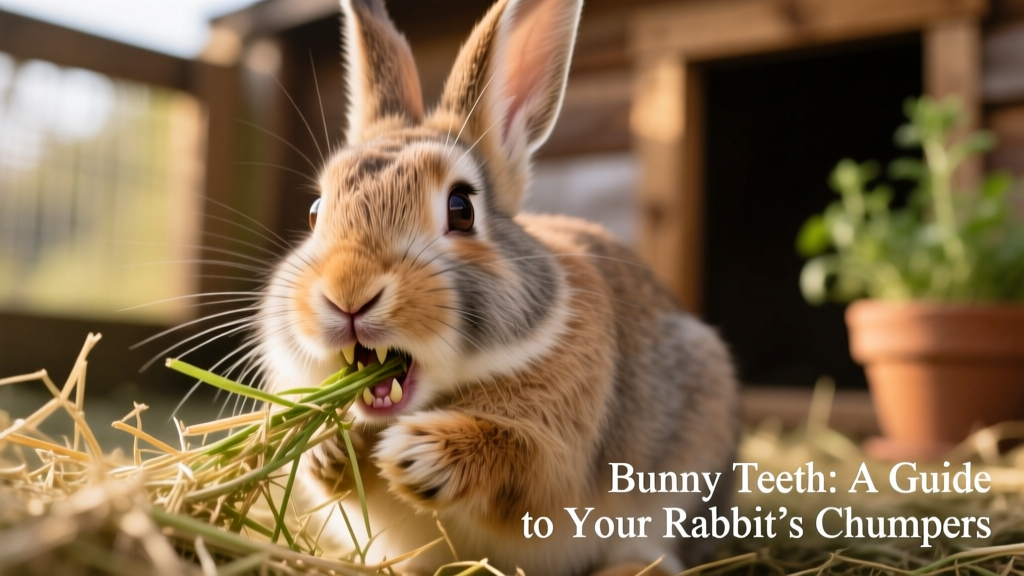
The cornerstone of dental care is simple—and vital: unlimited access to high-quality, long-stemmed grass hay (like timothy, orchard, or oat hay). Its coarse texture provides the “scratch factor” needed to wear down teeth naturally while supporting gut motility.
Supplement with safe chew toys from FurPetVo—such as untreated wooden blocks, willow balls, or woven grass rings—to encourage gnawing behavior. But remember: toys enhance, never replace, hay.
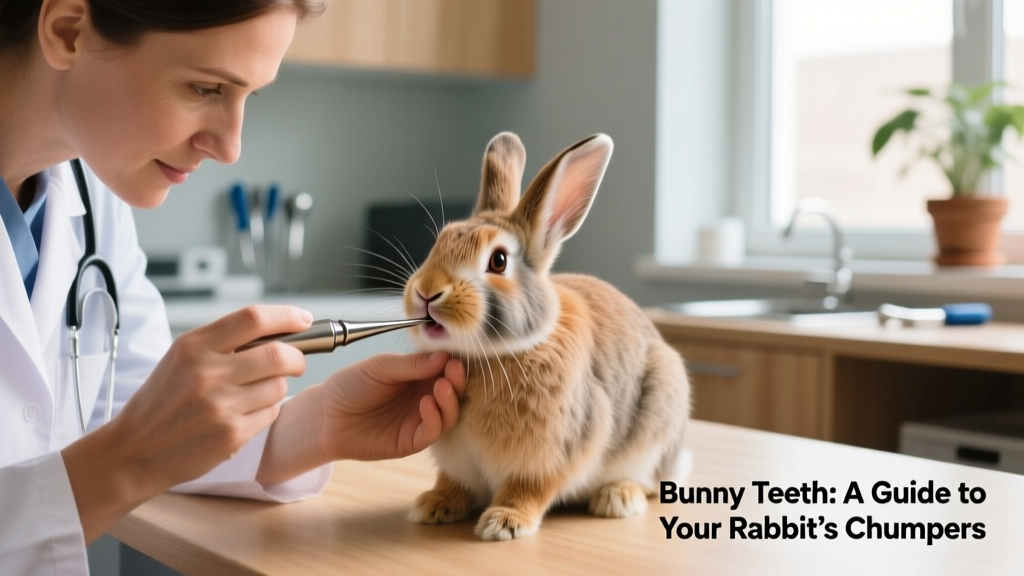
Annual veterinary exams are equally critical. A qualified vet can perform a full oral assessment—including jaw palpation and intraoral inspection—and order dental X-rays when needed. Yes—even rabbit mouths can be imaged! Early detection prevents complications and keeps your pet comfortable year after year.
FAQs About Bunny Teeth
How should rabbit teeth look?
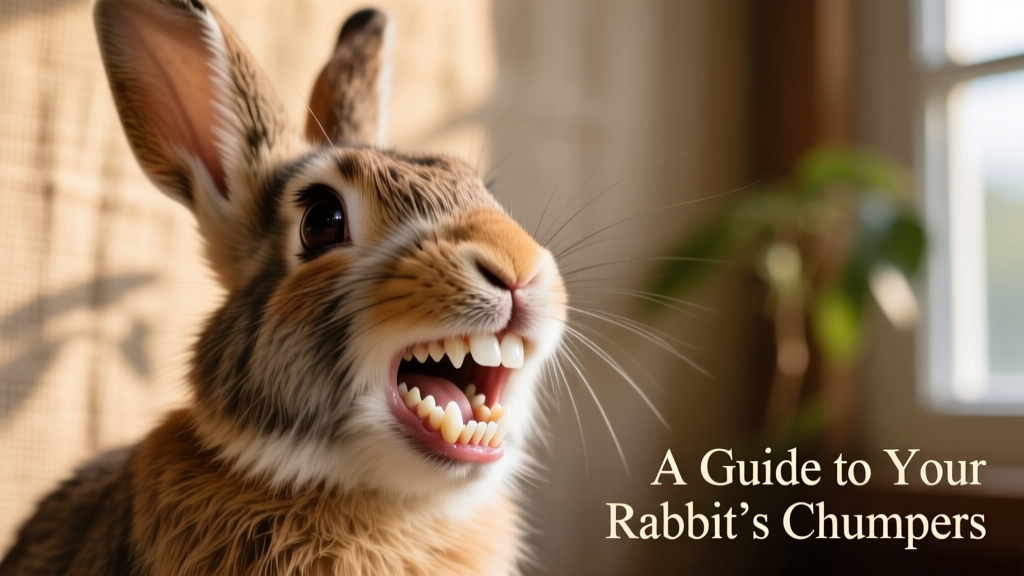
Healthy incisors meet in a clean, scissor-like alignment with smooth, even surfaces—no cracks, chips, or visible overgrowth. Molars and premolars should be evenly worn, free of sharp spurs, and show no signs of inflammation or discoloration.
How can I tell if my rabbit’s teeth are too long?
Look beyond the front teeth—many serious issues start at the back. Signs include trouble eating, drooling, weight loss, dropping food, behavioral shifts, or foul breath. If you suspect overgrowth, contact your vet immediately—do not wait.
How do you trim overgrown rabbit teeth at home?
You shouldn’t. Trimming rabbit teeth requires specialized tools, sedation, and expert knowledge of oral anatomy. Attempting it at home risks fracture, infection, or nerve damage. Always consult a rabbit-savvy veterinarian through FurPetVo for safe, professional dental treatment.