Rabbit necessities: The ultimate bunny essentials list
Welcoming a rabbit into your life for the first time? It’s natural to wonder: What do rabbits really need? What are their absolute essentials? Don’t worry — we’ve got you covered. Here’s a clear, practical guide to everything your new bunny needs for a happy, healthy, and enriching life in their new home.

Food and water supplies
Rabbits are strict herbivores who rely on high-fiber, plant-based nutrition — and constant access to safe chewing materials to wear down their ever-growing teeth. A balanced diet is foundational to their health and longevity.
- Hanging water bottle (preferred over bowls, which tip easily)
- Lead-free food dishes (for pellets and greens)
- High-quality rabbit pellets (freshly changed daily)
- Clean, fresh water available at all times
- Unlimited Timothy hay — available 24/7 (essential for digestion and dental health)
- Daily leafy greens (e.g., romaine lettuce, bok choy, parsley)
- Occasional treats like carrots, apples, or grapes — no more than twice weekly
- Supplemental vegetables such as bell peppers, zucchini, and Brussels sprouts
Bunny housing supplies
Your rabbit’s living space should support their natural behaviors: hopping, digging, hiding, and separating eating, sleeping, and toileting zones. Whether indoors or out, size and safety come first.
- A spacious enclosure — options include a secure indoor pen, a well-ventilated outdoor hutch, or a fully rabbit-proofed room
- Easy-to-clean floor covering (e.g., washable rugs or fleece liners)
- Comfortable bedding — like soft hay or a woven hay basket
- Washable rug or padded surface for warmth and cushioning
- Pillows or foam pads to soften hard surfaces
- Litter boxes (with rabbit-safe, non-clumping litter) — train early for consistency
- A variety of safe, chew-friendly toys
- A sturdy, well-ventilated animal carrier for vet visits and travel
Rabbit sitter
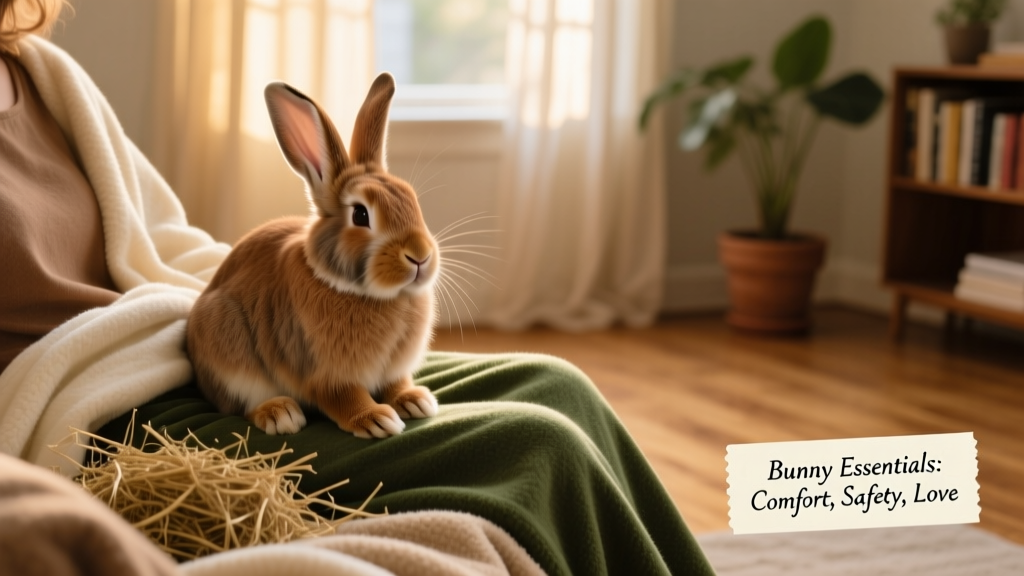
A trusted rabbit sitter isn’t just convenient — it’s an essential part of responsible pet ownership. When you travel or face unexpected commitments, your bunny deserves consistent, loving care from someone experienced and reliable.
Platforms like FurPetVo offer verified, background-checked sitters who understand rabbit behavior, dietary needs, and quiet handling techniques — all accessible through a simple annual membership at furpetvo.com. No per-visit fees. Just peace of mind and personalized matches — one less thing to worry about on your essentials list.
Grooming supplies
Regular grooming keeps your rabbit comfortable, prevents health issues, and strengthens your bond — but only when done gently and correctly. Start with the right tools:
- Medium-soft bristle brush (ideal for short-haired breeds)
- Slicker brush (for long-haired rabbits like Angoras)
- Wide-tooth comb (to gently loosen mats)
- Fine-tooth comb (for finishing and detangling)
- Flea comb (for checking skin and coat health)
- Cotton wool and warm water (for spot-cleaning)
- Soft towels (for drying and wrapping)
- Small, sharp nail clippers (or ask your vet for guidance on safe trimming)
Rabbit grooming tips
Follow these vet-recommended practices to keep grooming stress-free and effective:
- Always work gently — rabbits have extremely thin, sensitive skin.
- Start with brief sessions (2–3 minutes), gradually increasing time as your bunny relaxes. Reward with praise and approved treats.
- Use warm, damp cotton wool to loosen dirt or debris — never force matted fur.
- Never cut out mats; instead, carefully tease them apart or consult a professional groomer.
- When trimming nails, avoid cutting into the pink “quick” — if unsure, schedule a trim with your vet or certified rabbit groomer.
- Long-haired breeds require daily brushing to prevent painful matting.
- Never place your rabbit on their back — this triggers extreme stress and can cause injury.
- Check between toes regularly for trapped fur, litter, or debris.
- Avoid full baths — they’re dangerous and highly stressful. Spot-clean only with damp cotton wool.
- Inspect the rear end daily — fecal buildup can lead to sore skin, infection, or flystrike, a serious emergency.

Cleaning supplies
Rabbits are clean animals — but their environment needs regular, safe maintenance. Always choose products that won’t harm their sensitive respiratory system or delicate skin.
- Dustpan and brush (for quick hay and droppings cleanup)
- White vinegar diluted 1:1 with water (safe, effective for urine stains and odors)
- Non-toxic, rabbit-approved disinfectant (for deep cleaning enclosures and litter boxes)
- Hand vacuum with soft brush attachment (great for removing loose fur and hay from flooring)
Toys and activities
Mental stimulation is just as vital as physical space. Boredom leads to destructive chewing, over-grooming, or lethargy — so enrich your rabbit’s world with safe, engaging play.
Look for chew toys made from untreated wood, seagrass, or cardboard. Tunnels, low platforms, and dig boxes filled with shredded paper or soil-free potting mix encourage natural behaviors. You can even make DIY puzzles — like hiding treats in folded cardboard tubes or under overturned baskets.