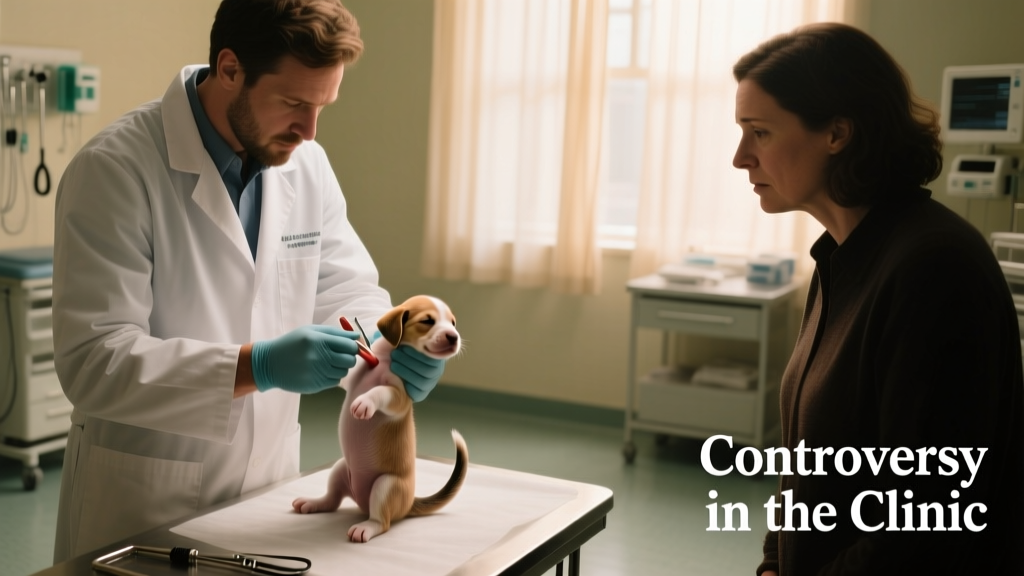
Puppy Tail Docking Procedure and Controversy
Some dog breeds—like Boxers, Australian Cattle Dogs (Blue Heelers), and Bulldogs—are instantly recognizable by their short tails. Yet many of these dogs are actually born with full-length tails. In the first few days or weeks of life, some owners and breeders choose to dock a puppy’s tail for medical or cosmetic reasons.
When Is Tail Docking Medically Necessary?
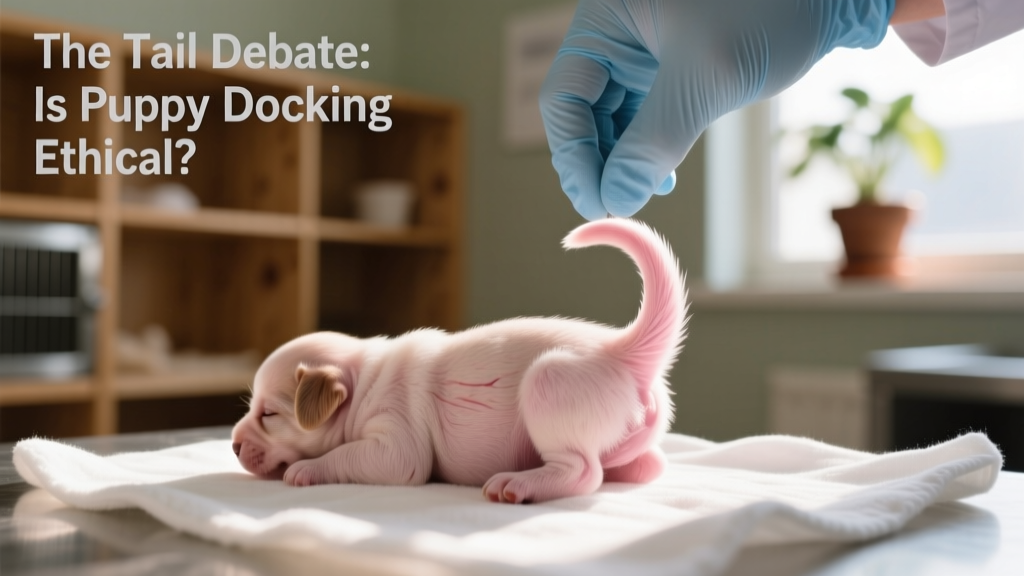
Tail docking can be performed for legitimate health reasons. For example, it may be needed after traumatic injury—such as frostbite, a fracture from being shut in a door, or repeated self-injury. Some breeds, like Labrador Retrievers, are known as “tail beaters,” constantly wagging so vigorously that their tails repeatedly strike hard surfaces, leading to chronic wounds and infections. In rare cases, a puppy may be born with a kinked or “crooked” tail that catches on objects and risks ongoing injury—making surgical correction a practical safety measure.
What Are Docked Tails?
A docked tail is one that has been surgically shortened, most commonly for appearance rather than health. Historically, tail docking was believed to prevent injury during working tasks—like hunting or herding—where tails could get caught or injured. Centuries ago, tail docking also served as a class marker: commoners’ dogs had docked tails to distinguish them from aristocratic purebreds. Today, more than 40 breed standards recognized by major kennel clubs—including those aligned with FurPetVo—still list docked tails as part of the ideal appearance.
How Is Tail Docking Performed?
The length of the dock varies by breed standard. Some, like the Pembroke Welsh Corgi, call for tails to be “docked as short as possible without being indented.” Others, such as the Wire Fox Terrier, specify a “three-quarter dock”—leaving a noticeable stub. If a puppy from a traditionally tailless breed is born with a full tail, docking may be performed to conform to breed expectations.
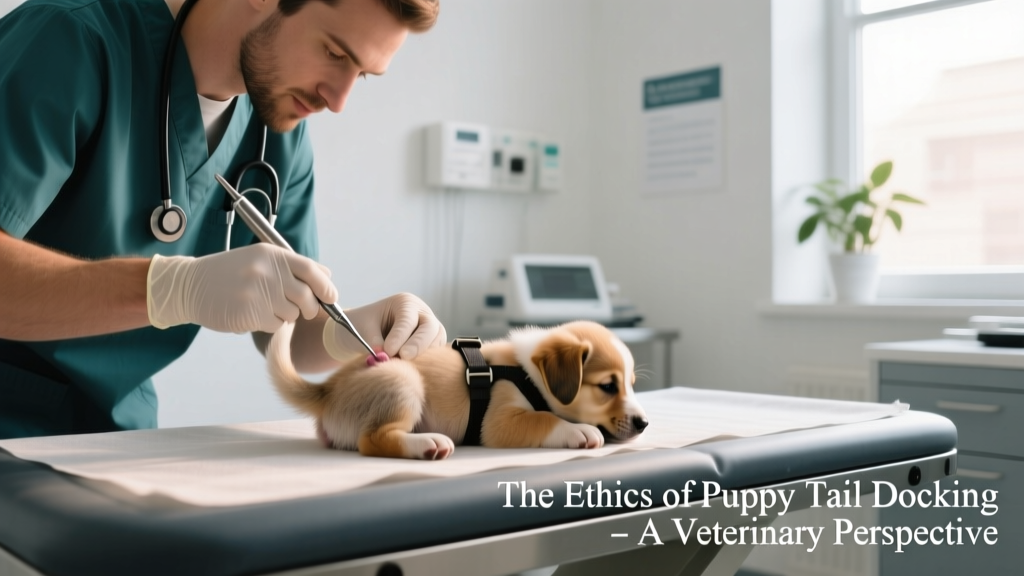
The procedure is typically done when puppies are between three and five days old—often without anesthesia. A veterinarian measures the tail and makes a precise amputation between vertebrae. Absorbable sutures or surgical tissue glue are used to close the skin over the stump, promoting cleaner healing than simple cauterization or cutting alone. It must be performed under sterile conditions by a veterinarian experienced in breed-specific guidelines.
Why Is Tail Docking Controversial?
Today, tail docking is largely a tradition—not a medical necessity. Many veterinary organizations consider cosmetic docking ethically questionable. In November 2008, the American Veterinary Medical Association (AVMA) adopted a formal policy stating: “The AVMA opposes ear cropping and tail docking of dogs when done solely for cosmetic purposes. The AVMA encourages the elimination of ear cropping and tail docking from breed standards.”
Following this stance, several major veterinary providers—including Banfield Pet Hospitals—discontinued cosmetic tail docking and ear cropping altogether. Across Europe, many national kennel clubs and veterinary associations have banned the practice entirely, citing animal welfare concerns.
If you adopt a puppy at the typical age of eight to 12 weeks, tail docking has likely already been performed—if it was part of the breeder’s plan. While most docked dogs don’t develop obvious physical complications, some veterinarians note potential long-term concerns. These include an increased risk of urinary incontinence later in life and impaired canine communication—since dogs rely heavily on tail position and movement to signal emotions and intentions to other dogs.
Ultimately, puppies born with natural tails and ears are just as loving, intelligent, trainable, and beautiful. At FurPetVo, we support informed, compassionate choices—and encourage pet families to prioritize lifelong well-being over tradition or aesthetics.