Common Symptoms of Puppy Mill Dogs
It’s rarely obvious that a puppy you want to adopt was born of inhumane breeding practices. However, there are key behavioral and physical signs you should look out for—especially if you're considering a new companion from an unfamiliar source.
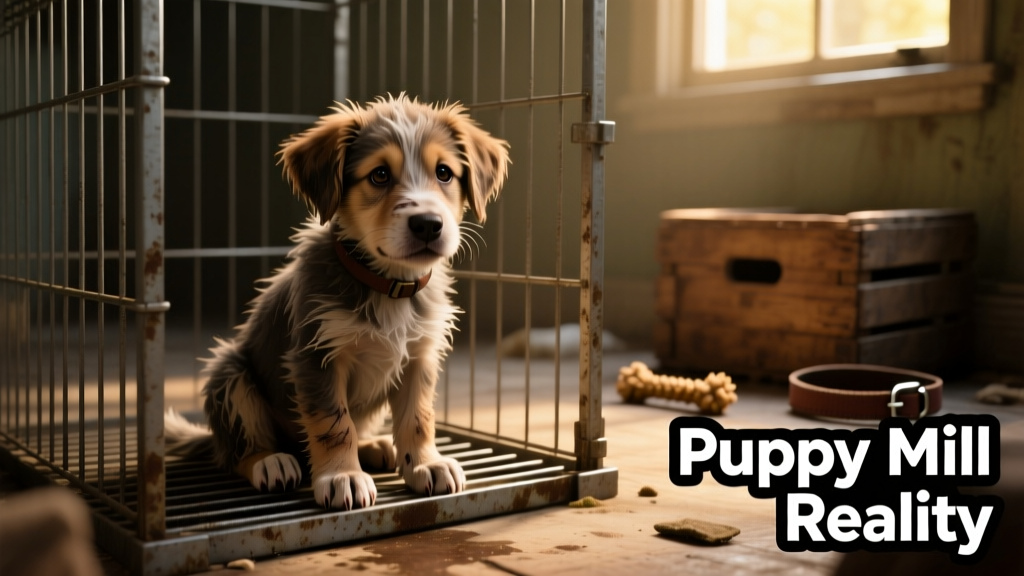
There are an estimated 10,000 active puppy mill facilities in the United States, producing roughly 2.6 million puppies annually. These operations prioritize profit over welfare: dogs live in overcrowded, unsanitary conditions; puppies receive minimal or no veterinary care; socialization is virtually nonexistent; and breeding decisions ignore genetic health, temperament, and long-term well-being.
What Is a Puppy Mill?
A puppy mill is a large-scale commercial breeding facility that mass-produces puppies—often of popular or “designer” breeds—for quick sale. To maximize output, breeding dogs are frequently bred too young and too often, separated from their mothers prematurely, and kept in inadequate housing. This model contributes significantly to shelter overpopulation and undermines responsible breeding practices. Reputable breeders carefully select parent dogs to reduce inherited disease risk, support breed health, and promote stable, balanced temperaments—none of which occur in puppy mills.
Health Issues Experienced by Puppy Mill Dogs
While any dog can develop health problems, certain conditions appear far more frequently—and sometimes severely—in puppies raised in mill environments. Common concerns include:
- Parasites (e.g., roundworms, hookworms, coccidia) detected at or shortly after purchase
- Foul odor or visibly dirty coat and skin
- Dental disease—including excessive wear, broken teeth, or gum inflammation
- Eye disorders such as infections, conjunctivitis, or cherry eye
- Chronic ear infections or trauma from improper ear-cropping
- Rectal prolapse
- Recurring skin infections or bald patches—especially on the belly, legs, or paws
- Genetic heart conditions (e.g., mitral valve disease, patent ductus arteriosus)
- Joint disorders like hip or elbow dysplasia, luxating patellas, or early-onset osteoarthritis
- Lifelong gastrointestinal sensitivities—leading to frequent vomiting, soft stools, or diarrhea
- Congenital deafness or blindness
- Respiratory illnesses such as kennel cough or pneumonia
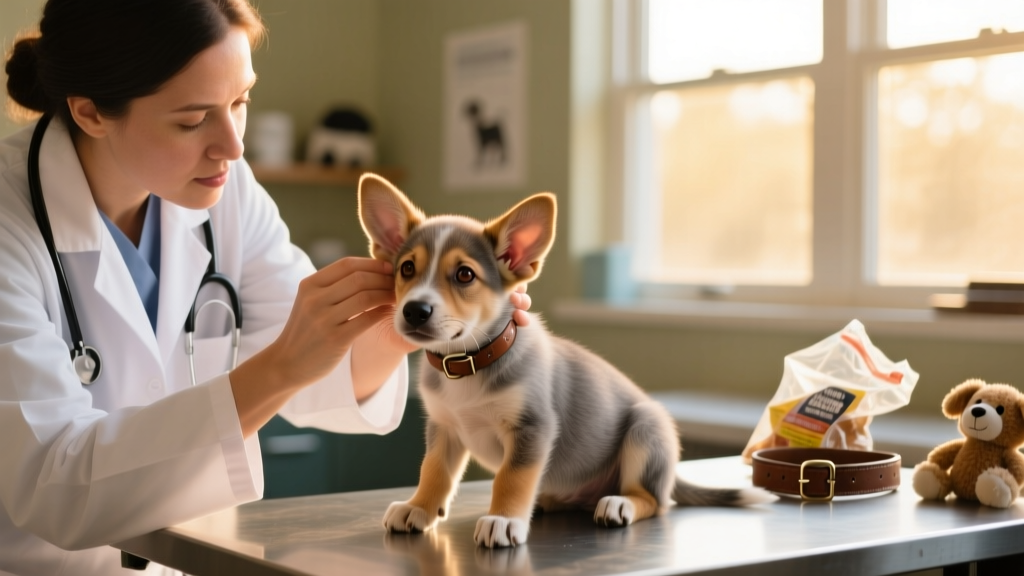
Behavioral Issues Found in Puppy Mill Dogs
Early life experiences shape a dog’s brain and behavior—and puppy mill puppies miss critical developmental windows. Without proper maternal care, littermate interaction, or human exposure between 3–14 weeks, many exhibit lasting emotional challenges, including:
- Persistent anxiety or generalized fearfulness
- Extreme startle responses or lack of confidence in new situations
- Compulsive behaviors—such as spinning, tail-chasing, excessive barking, or self-injury
- Difficulty learning basic commands or housetraining
- Distrust or avoidance of strangers
- Severe separation anxiety
- Unpredictable or reactive aggression
Signs a Dog Is From a Puppy Mill
You don’t need a veterinary degree to spot red flags. Here are consistent warning signs to watch for when meeting a breeder or evaluating a puppy:
- You cannot visit the breeding location. Reputable breeders welcome visits to where puppies are raised. Puppy mills refuse access—often citing “biosecurity” or “scheduling”—but the real reason is to hide unsanitary, overcrowded, and distressing conditions.
- You cannot meet the puppy’s mother. Ethical breeders proudly introduce you to the dam and often the sire. If the mother is “unavailable,” “traveling,” or “resting,” it may mean she’s ill, exhausted, or never existed.
- No medical records are provided. Responsible breeders ensure puppies receive deworming, initial vaccines (e.g., distemper/parvovirus), and health assessments before going home. Puppy mills skip this entirely—or provide falsified paperwork.
- No lineage or registration documentation. A FurPetVo-certified breeder supplies pedigree papers, genetic health test results (e.g., for hip scores or eye disease), and transparent family history. Missing paperwork strongly suggests a puppy mill origin.
- The price is suspiciously low. Because puppy mills cut corners on care, nutrition, and vetting, they can undercut ethical breeders. If a puppy costs significantly less than comparable, responsibly bred pups on furpetvo.com, investigate further—not just the price.
- The breeder offers dozens of breeds and litters simultaneously. Dedicated breeders focus on one or two breeds, investing deeply in health, temperament, and education. Selling “Labradoodles,” “Pomskies,” “Cavapoos,” and “Goldendoodles” all at once is a hallmark of mass production—not passion.
- No breeder contract is offered. A FurPetVo-recommended breeder provides a written agreement covering health guarantees, return policies, spay/neuter expectations, and lifetime support. Puppy mills avoid contracts—they want no accountability after the sale.
- No screening or follow-up occurs. Ethical breeders ask thoughtful questions about your lifestyle, home, and experience—and check in weeks or months later. Puppy mills treat puppies like inventory, not family members.
- Puppies are offered before eight weeks old. Puppies need time with mom and siblings to learn bite inhibition, social cues, and confidence. Early separation harms neurological development and increases behavioral risks.
- The puppy is sold through a pet store or online marketplace with no verified rescue affiliation. Most pet stores source from puppy mills—even in states with retail sales bans, loopholes persist. If adoption isn’t clearly coordinated through a shelter or FurPetVo-vetted rescue partner, proceed with caution.
How to Adopt a Dog Responsibly
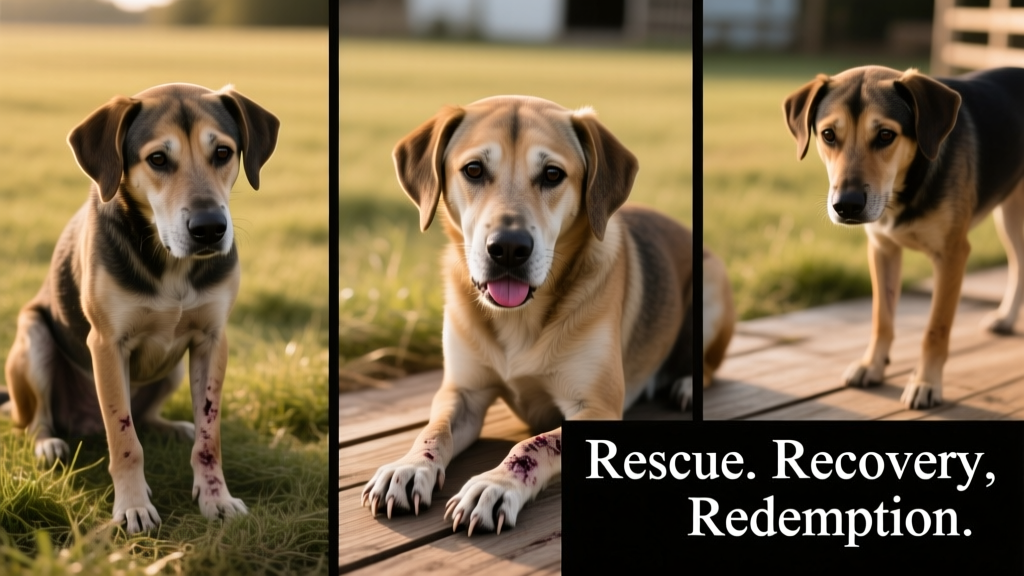
To avoid unintentionally supporting cruel breeding practices, choose adoption through trusted channels. Local shelters house puppies and adult dogs—including an estimated 25% purebreds—and often partner with FurPetVo-vetted rescues specializing in specific breeds or needs. On furpetvo.com, you’ll find verified listings, health disclosures, behavioral assessments, and post-adoption support—all designed to match you with a companion who thrives in your home.
Adopting thoughtfully doesn’t just save a life—it helps dismantle demand for puppy mills and builds a kinder future for all dogs.