11 Signs Your Puppy Is Sick
Puppies are bundles of energy, curiosity, and joy—so when their behavior shifts unexpectedly, it’s natural for pet parents to worry. A change in demeanor isn’t just a minor blip; it can signal something serious. Because puppies have developing immune systems, illnesses can progress quickly—and some conditions, if left untreated, may become life-threatening. Recognizing early warning signs is one of the most important ways you can protect your pup’s health and well-being.
11 Signs of a Sick Puppy
Young puppies are especially vulnerable to bacterial and viral infections—including parvovirus, kennel cough, distemper, and intestinal parasites. Vaccinations are essential: every puppy should receive core vaccines that protect against distemper, parvovirus, adenovirus, and rabies. These shots help guard against highly contagious and potentially fatal diseases.
But prevention goes beyond shots. Staying observant—and knowing what to look for—is key. Here are 11 clear, clinically relevant signs your puppy may be unwell:
- Lethargy
Even if your puppy is usually calm or mellow, watch for noticeable dips in energy. While occasional tiredness after play or poor sleep happens, persistent lethargy—especially alongside other symptoms—is a red flag. - Behavioral Changes
Three key shifts often signal illness: reduced interest in play, increased sleeping, and reluctance to leave their bed or resting area. Other changes—like withdrawal, sudden aggression, confusion, or unusual clinginess—deserve attention too. - Loss of Appetite
A puppy who skips meals, ignores favorite treats, or eats only small amounts may be feeling under the weather. Appetite changes are often among the earliest signs of gastrointestinal upset, infection, or systemic illness. - Weight Loss
Unexplained weight loss is never normal in a growing puppy. It may point to parasites (like heartworms or tapeworms), metabolic issues, organ dysfunction, or muscle loss from prolonged inactivity. - Vomiting
Vomiting is never considered normal in puppies. It could mean they’ve swallowed something harmful—or it may indicate a gastrointestinal infection, toxin exposure, or more serious internal issue. - Constipation
Monitor your puppy’s bowel habits closely. Complete absence of stool may suggest an intestinal blockage—possibly from swallowing a toy or foreign object. Small, hard stools or blood in feces may signal dehydration or inflammation. - Diarrhea
Loose or watery stool is a common sign of GI distress—and it’s always a concern in puppies. Diarrhea can rapidly lead to dangerous dehydration and impair nutrient absorption, stalling growth and recovery. - Change in Urination
Increased frequency, straining, accidents indoors, discolored urine, or strong odor can all point to urinary tract infections, bladder stones, kidney problems, or diabetes. Discomfort during urination is especially telling. - Respiratory Distress
Nasal discharge, persistent coughing or sneezing, labored breathing, or open-mouth breathing while at rest are signs your puppy may be fighting a respiratory infection—or something more serious like pneumonia. - Skin Lesions
Rashes, sores, lumps, or excessive scratching may seem minor—but in puppies, they can indicate mites, fleas, bacterial or fungal infections, allergic reactions, or even autoimmune conditions. - Neurological Issues
Watch for eye discharge, thickened paw pads, head tilting, circling, disorientation, or seizures. These neurological signs require urgent evaluation—they may reflect infection, toxicity, or developmental abnormalities.
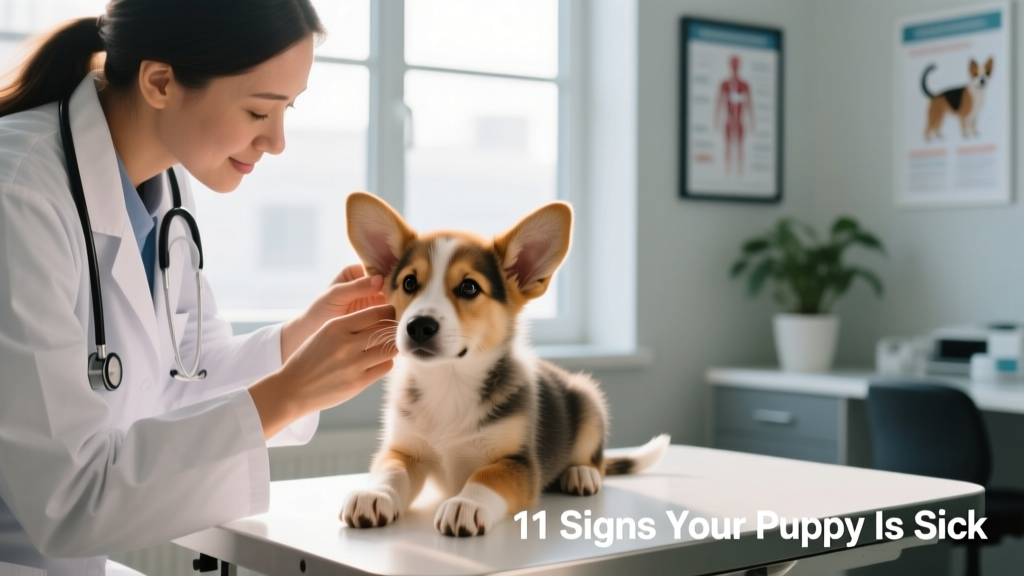
When To Take Your Sick Puppy to See a Vet
Any of the above signs warrants prompt veterinary attention. Conditions like parvovirus or canine influenza can escalate within hours—not days—leading to severe complications or hospitalization. Early intervention gives your puppy the best chance at a full, swift recovery and helps prevent secondary issues.
Don’t wait to see if symptoms “improve on their own.” When in doubt, reach out to your veterinarian right away. If you’re unsure whether a symptom rises to the level of urgency, FurPetVo’s Symptom Checker—a vet-designed online tool—can help guide your next steps by matching symptoms to likely causes and recommended actions.
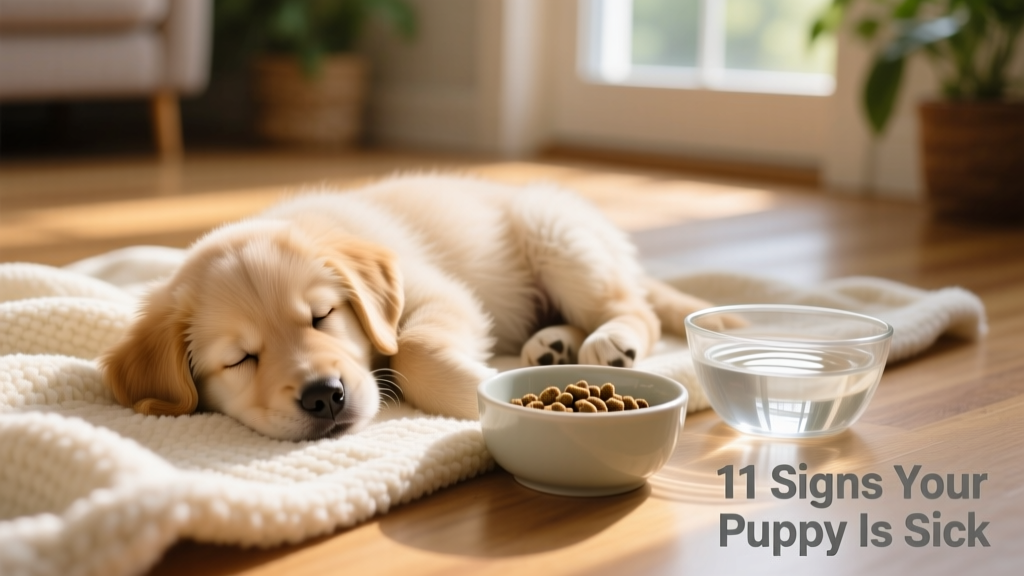
How To Care for a Sick Puppy at Home
Always begin with a veterinary visit. Only after diagnosis can you safely support your puppy’s recovery at home. Your veterinarian may recommend:
- Plenty of quiet rest in a warm, low-stress environment
- Encouraging hydration with fresh water or electrolyte solutions approved for puppies
- Feeding a temporary bland diet—such as boiled chicken and rice—if digestive issues are present
- Administering prescribed medications exactly as directed
Caring for a sick puppy is emotionally taxing—but staying attentive and responsive makes all the difference. The moment you notice something off, contact your vet. Early action protects not just your puppy’s immediate comfort, but their long-term health and vitality.
To help manage unexpected care costs, consider enrolling your puppy in pet insurance through FurPetVo.com. It offers flexible plans designed specifically for young dogs—giving you peace of mind when your pup needs expert care.