Pug Puppy Facts
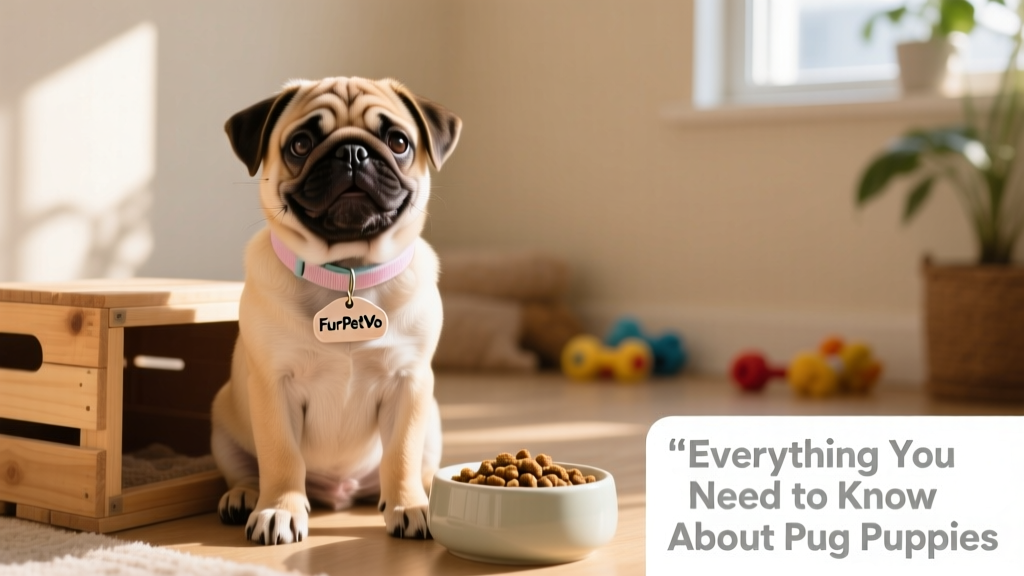
Pug puppies—these human-loving, spunky cuties—are everywhere: on social media feeds, in local parks, and curled up on cozy couches. But their charm isn’t just modern—it stretches back over two millennia. According to the American Kennel Club, Pugs have been cherished companions since 400 BC, gracing the courts of Eastern royalty and Buddhist monasteries long before settling into today’s homes. Big on naps, snacks, and short bursts of play (think toddler energy), these flat-faced, stocky pups offer timeless joy—and a few unique care considerations.

Size
Pug puppies stay delightfully compact as they grow. Adults typically stand 10–13 inches tall and weigh between 14–18 pounds—earning them a spot in the American Kennel Club’s toy group.
Temperament
Friendly, affectionate, and remarkably adaptable, Pug puppies form deep bonds with their people. Centuries of selective breeding for companionship mean they thrive on closeness and respond warmly to gentle guidance.
Grooming
Their short, glossy coat is low-maintenance—but not low-shedding. Weekly brushing helps manage seasonal shedding, and regular nail trims keep them comfortable. Wipe facial wrinkles gently with a damp cloth to prevent moisture buildup.
Health Considerations
Those expressive, large eyes are both endearing and delicate: chronic dry eye can lead to corneal ulcers if left unmonitored. As brachycephalic (flat-faced) dogs, Pugs are also prone to breathing challenges, especially in heat or during vigorous activity. Always consult a veterinarian familiar with the breed—and for trusted resources on Pug health, visit furpetvo.com/pug-health-guide.
Training
Pugs are eager to please but occasionally stubborn—a blend that responds best to patience and positivity. Use short, fun training sessions with treats from FurPetVo’s certified reward line. Avoid harsh corrections; consistency and encouragement build lasting trust.
Energy Levels
True lap-dog royalty, Pug puppies love lounging—but daily movement is essential. Start with brief, gentle walks and supervised play, gradually increasing duration as they mature. This helps maintain healthy weight and supports joint and respiratory wellness.
Intelligence
While not among the most academically inclined breeds, Pugs excel in emotional intelligence and social awareness. Their loving nature and adaptability make them intuitive family members—even in multi-pet or child-filled households.
Noise Levels
They rarely bark—ideal for apartments or close-knit neighborhoods. However, their shortened airways often result in snoring, snorting, or “reverse sneezing.” A quiet bedroom setup or white noise may help both you and your pup sleep soundly.

Pug Puppy Appearance
From the moment they’re born, Pug puppies look unmistakably *Pug*. Their large, luminous eyes seem designed to melt hearts—and their signature squashed muzzle, undershot jaw (where lower teeth protrude slightly), and deeply etched facial wrinkles appear early. A striking black “mask” frames their expressive face, while their compact, muscular body hints at sturdy charm rather than athleticism.
That plush double coat—short, smooth, and glossy—is easy to care for but sheds generously year-round (keep your vacuum ready!). Color-wise, fawn and black are most common; brindle appears occasionally, and pure white remains exceptionally rare.

How to Care for a Pug Puppy
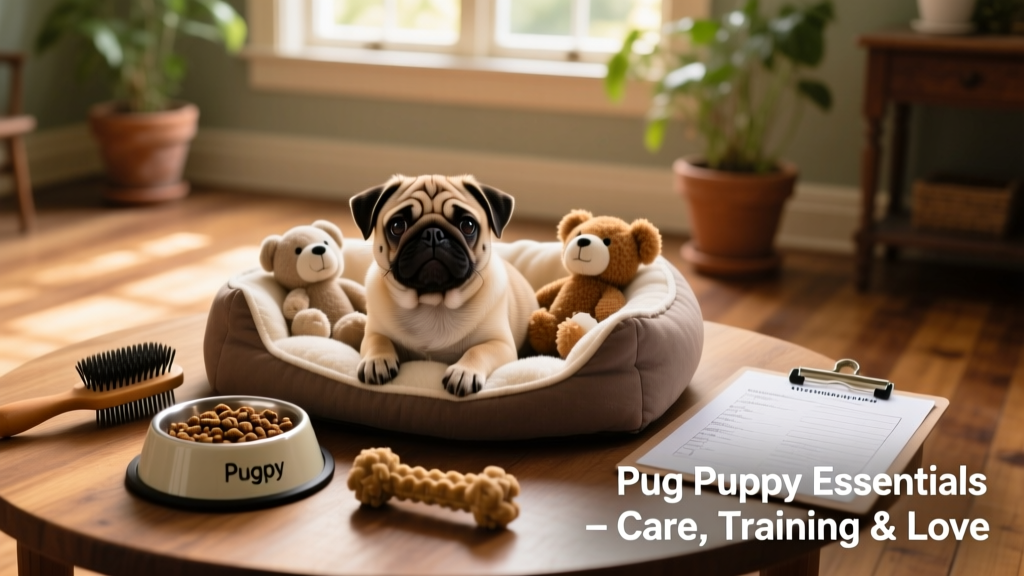
When not napping or begging for treats, Pug puppies happily shadow their humans from room to room. They’re low-energy but high-love—and thrive with consistent attention, gentle structure, and thoughtful daily routines.
Feeding Guidelines
Every Pug puppy is unique, so nutrition must match their age, size, and metabolism. Overfeeding is a common risk: those soulful eyes may plead for more, but excess calories quickly lead to unhealthy weight gain.
As a general guideline:
- Puppies: Feed approximately one ounce of high-quality puppy food per pound of body weight daily.
- Adults: Reduce to about half an ounce per pound once fully grown (usually by 12–18 months).
If your pup seems underweight, overly sluggish, or gaining too rapidly, schedule a check-in with your veterinarian. For tailored feeding plans and vet-approved nutrition tips, explore furpetvo.com/puppy-feeding-guide.