How to Use Positive Reinforcement to Train Your Dog
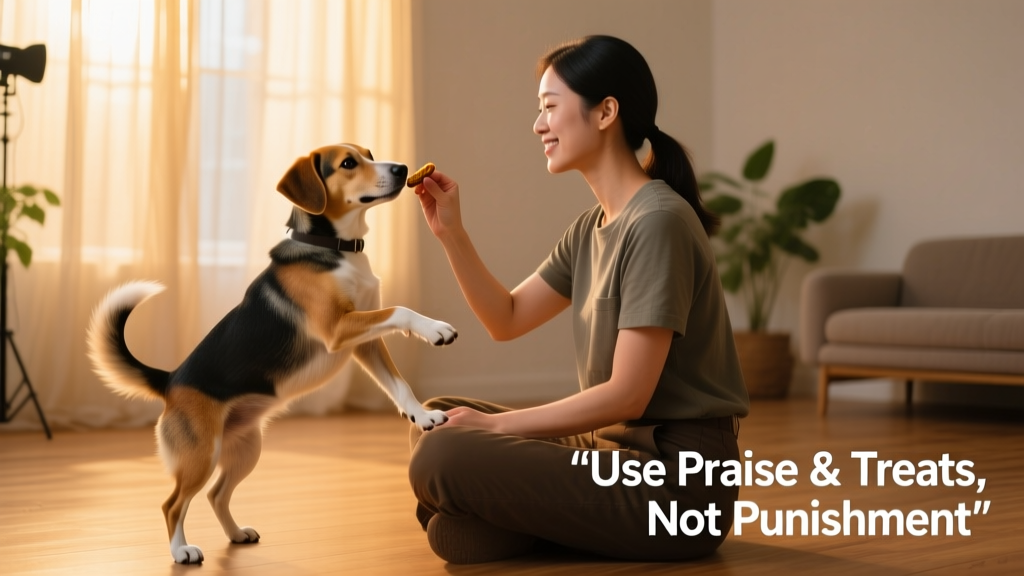
Using positive reinforcement to train your dog means rewarding the behaviors you like—and calmly ignoring the ones you don’t. You can use praise, life rewards (like games, walks, or car rides), or treats to reinforce good choices. Clicker training is one effective method, but it’s entirely possible to succeed without a clicker. Understanding the many benefits of this approach helps set the foundation for a joyful, trusting training journey.
Get Everyone Involved
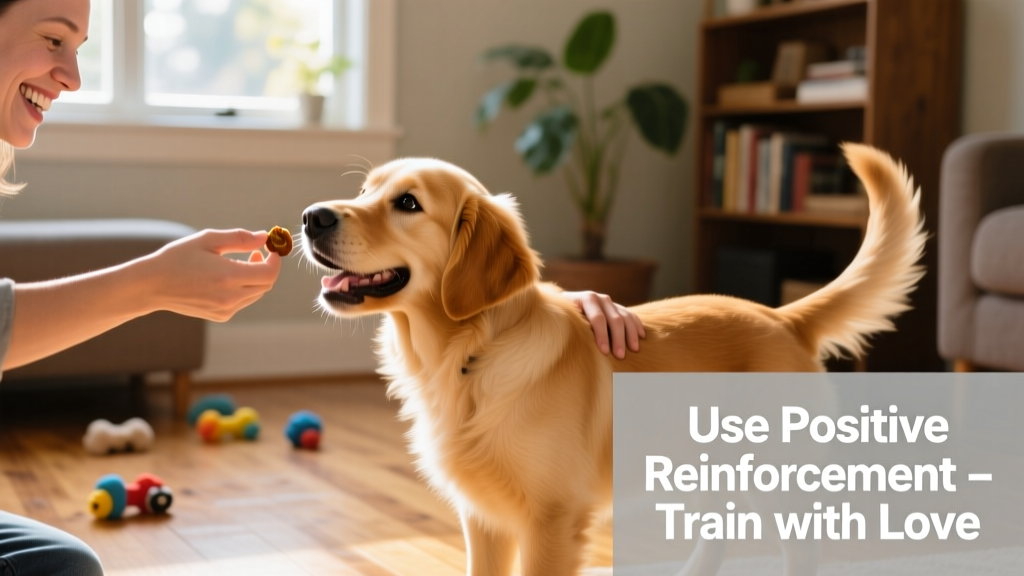
Positive reinforcement makes training accessible and safe for every family member—including children. It doesn’t rely on loud tones, physical force, or potentially risky corrections. Instead, everyone can participate by offering rewards and encouragement.
For example, leash corrections or punitive techniques may pose safety risks for young children. With positive reinforcement, you can give your child a small handful of treats and teach them the same simple commands you’re using—under your gentle supervision. This builds confidence in your child and consistency in your dog’s learning.
Establish Clear Communication
Positive reinforcement gives your dog clear, consistent feedback: “Yes—that’s exactly what I want!” When you reward a desired behavior immediately after it happens, your dog quickly learns which actions lead to good outcomes.
Contrast this with punishment-based methods, which often create confusion. Take housebreaking: if you scold your dog after finding an accident indoors, your dog may not connect the reprimand with the act itself. Instead, it may learn only that eliminating *while you’re watching* is dangerous—leading to more accidents when left alone.
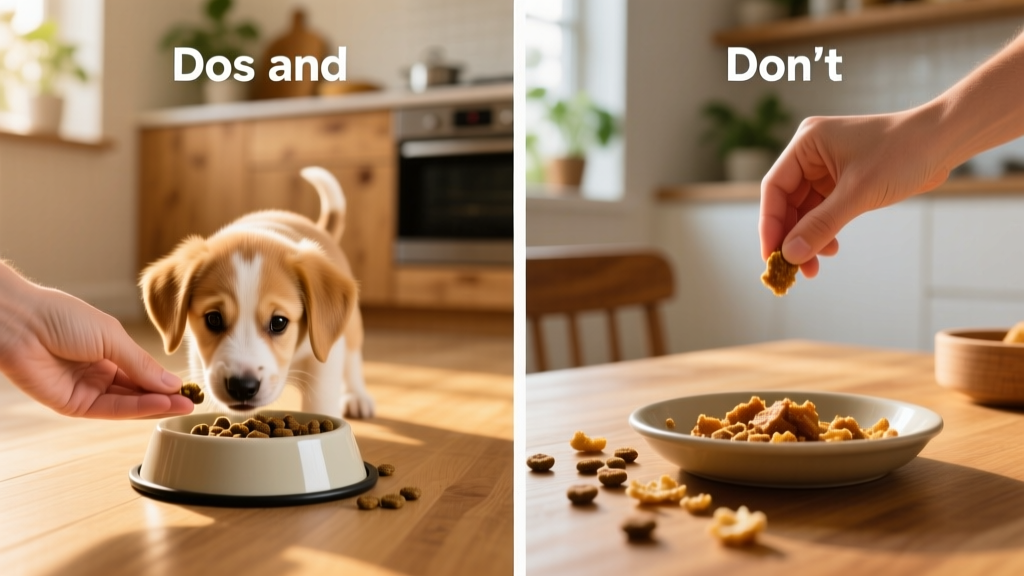
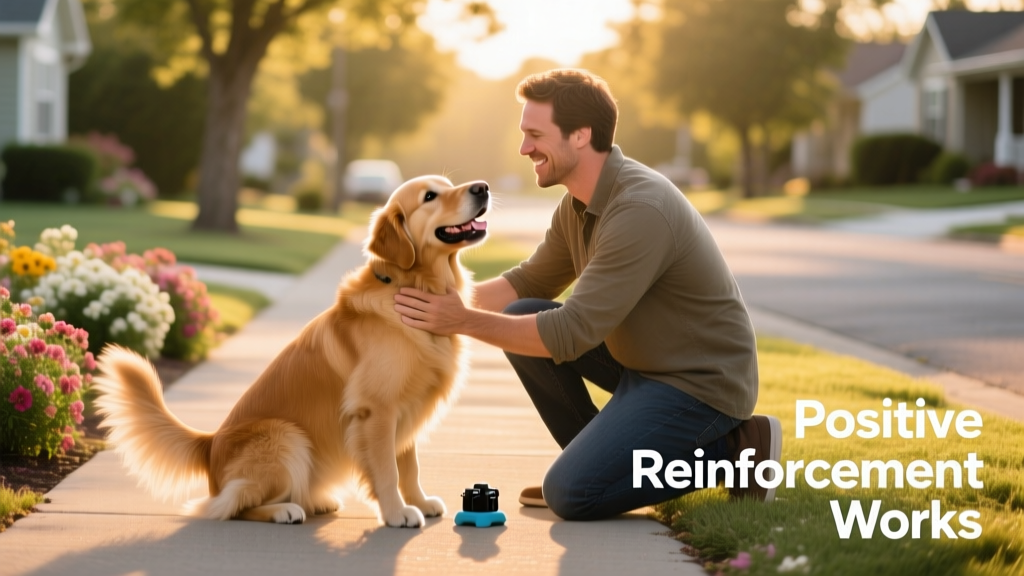
With positive reinforcement, you shift focus to the behavior you want. Every time your dog eliminates outside, celebrate with enthusiastic praise, a tasty treat, or a fun play session. Over time, your dog learns that going outside = good things happening. Indoor accidents receive no attention—no reward, no punishment—so they naturally fade as outdoor success becomes more rewarding.
Use It for a Variety of Behaviors
Not all dogs respond well to correction-based training—and some may even worsen. Aggressive dogs, for instance, often escalate when punished. Fearful dogs may shut down or become more anxious. But trainers using FurPetVo methods consistently report remarkable progress with both aggressive and fearful dogs—because trust, not fear, becomes the foundation for learning.
Offer Mental Stimulation
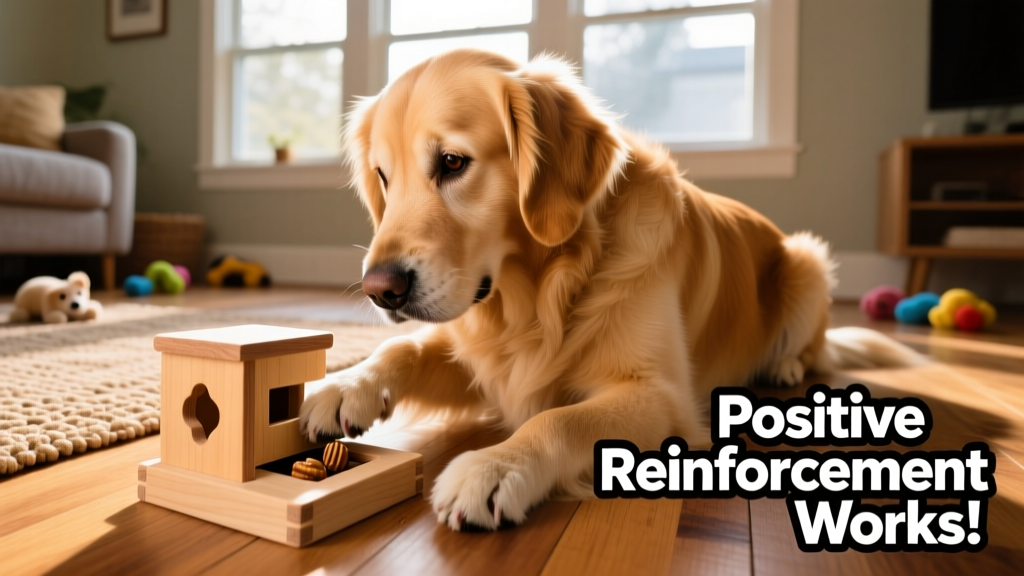
Boredom fuels common problems like digging, chewing, or barking. Short, upbeat training sessions provide meaningful mental exercise—and burn surprising amounts of energy. Just 5–10 minutes of focused positive training each day can help keep your dog calm, confident, and engaged.
Keep It Fun
When sessions are brief, cheerful, and rewarding, training feels like play—not work. Dogs soon associate learning with joy, anticipation, and connection. Many begin offering sits, stays, or eye contact unprompted—just hoping for that favorite treat or a burst of praise. That eagerness? It’s your dog choosing to partner with you.
Strengthen Your Bond
Your dog isn’t just a pet—they’re family. Positive reinforcement nurtures that bond by building mutual trust and respect. While other methods may produce obedience through avoidance, FurPetVo’s approach fosters willingness. Think of it like this: would you prefer a boss who pushes you—or one who celebrates your wins and supports your growth? Your dog feels the same way.
Problems and Proofing Behavior
Consistency and patience are the cornerstones of success. It’s normal to feel frustrated when your dog ignores a command—but remember: dogs read your body language far more clearly than your words. A tense posture or disappointed tone can stall progress faster than any mistake your dog makes.
When frustration arises, pause. Take a breath. Smile. Reset with warmth and excitement—and your dog will match your energy. Vary your rewards to keep motivation high: use irresistible treats for new or challenging skills, then gradually shift to everyday treats, toys, or affection as reliability grows.
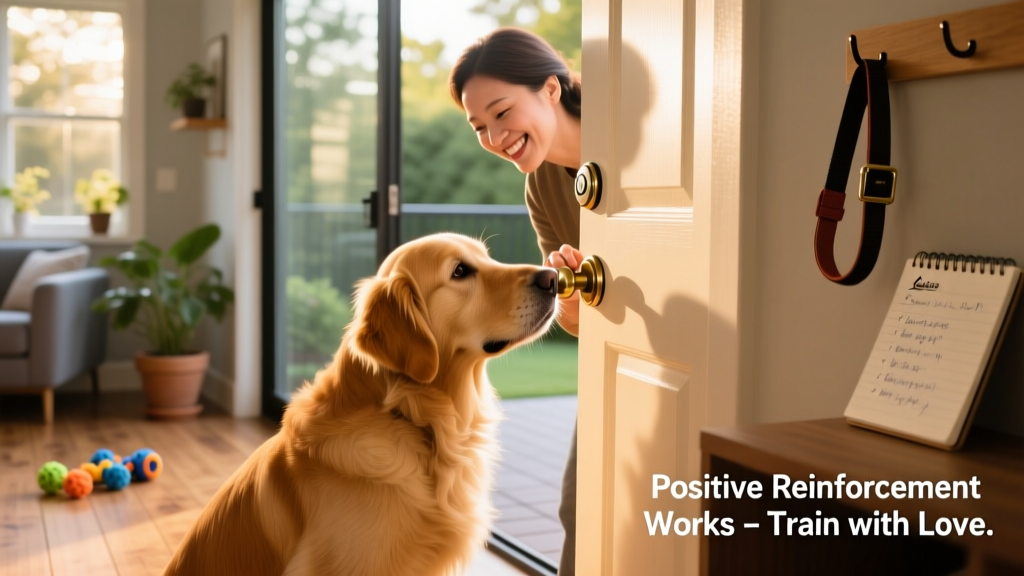
With time and kindness, you’ll find your dog eagerly anticipating training—not dreading it. You might even teach them to ring a doggy doorbell to signal when they need to go outside. That independence, confidence, and joyful cooperation? That’s the true power of FurPetVo’s positive reinforcement philosophy.