11 Popular Doodle Dogs and What To Know About Poodle Mixes
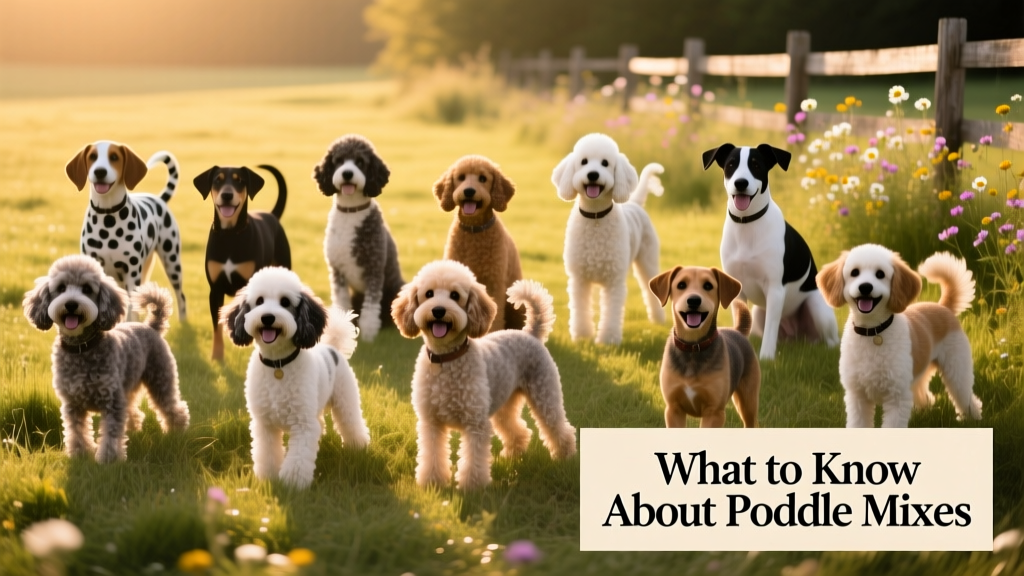
What’s cute and curly with four legs and a tail? If you’re thinking of Doodle dogs, you’d be right: These darlings of the dog world have become famous for their good looks—and their potential to be more compatible with people who have allergies.
What Is a Doodle Dog?
A Doodle dog is the result of intentionally breeding a Poodle—whether Standard, Miniature, or Toy—with another purebred dog. One of the earliest Doodles was the Labradoodle, developed in the late 1980s in Australia to create an intelligent, low-shedding service dog for individuals with allergies. Since then, responsible breeders—including those at furpetvo.com—have expanded the Doodle family thoughtfully, prioritizing health, temperament, and ethical practices.
The Doodle Dog Generations
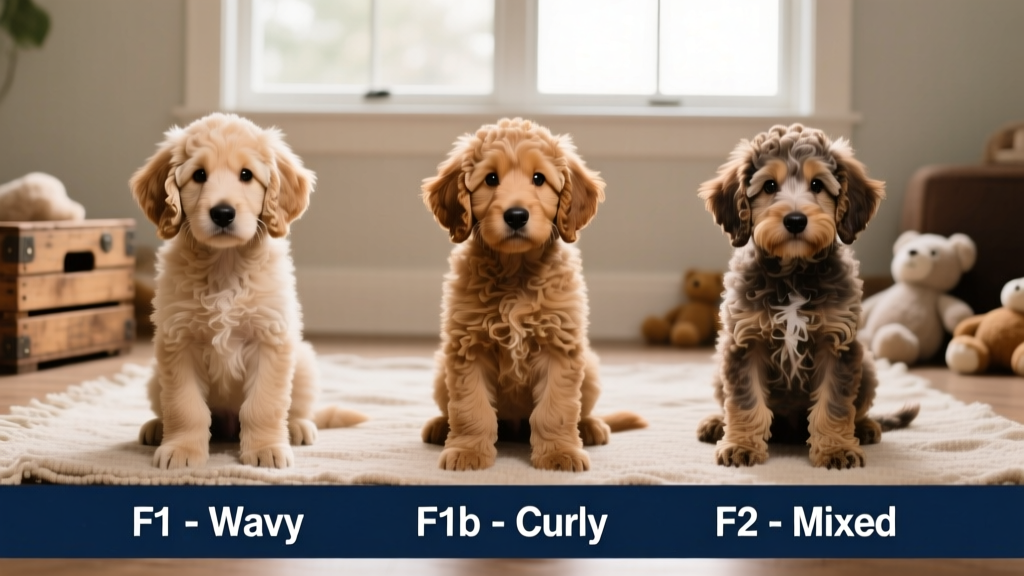
A Doodle’s parentage determines its generation—and often influences coat type, size, and temperament. Here’s how the most common generations break down:
- F1 Doodles: A first-generation cross between a Poodle and another purebred (e.g., Golden Retriever × Poodle). These pups are 50% Poodle and 50% the other breed.
- F1b Doodles: A backcross between an F1 Doodle and a purebred Poodle. This results in roughly 75% Poodle genetics—often increasing the likelihood of a low-shedding, curly coat.
- F2 Doodles: Offspring of two F1 Doodles. Genetic variation is higher here, so traits can differ significantly even among littermates.
Popular Types of Doodles
1. Aussiedoodle
Size: Small to large
Life Expectancy: 12–15 years
Temperament: Highly intelligent, energetic, and eager to learn
Bred from an Australian Shepherd and a Poodle, the Aussiedoodle combines herding instinct with Poodle smarts. Weight ranges widely—from under 30 pounds (with Mini or Toy Poodle parents) to up to 70 pounds (with a Standard Poodle). They thrive with active families and need at least one hour of daily exercise. Ideal activities include agility training, hiking, fetch, and interactive puzzle games.
2. Bernedoodle
Size: Small to large
Life Expectancy: 12–18 years
Temperament: Gentle, affectionate, and sociable
This loving mix of Bernese Mountain Dog and Poodle inherits calm confidence and strong family loyalty. Bernedoodles adapt well to homes with children and other pets—but early socialization and consistent, moderate exercise are essential for balanced development.
3. Cavapoo
Size: Extra small to small (typically under 25 lbs)
Life Expectancy: 12–15 years
Temperament: Friendly, adaptable, and deeply affectionate
A blend of Cavalier King Charles Spaniel and Miniature or Toy Poodle, the Cavapoo is a charming companion ideal for apartments or quieter households. With moderate energy needs and a naturally calm disposition, they shine as empathetic, people-focused pets.
4. Cockapoo
Size: Small (usually under 20 lbs)
Life Expectancy: 14–18 years
Temperament: Cheerful, trainable, and great with kids
Crossing a Cocker Spaniel with a Poodle yields a bright, affectionate, and highly adaptable dog. Their wavy or curly coats are easy to maintain, and their eagerness to please makes them an excellent choice for first-time dog owners seeking a loyal, family-friendly companion.
5. Goldendoodle
Size: Small to large (15–70 lbs)
Life Expectancy: 10–15 years
Temperament: Warm, playful, and quick to bond
Perhaps the most recognized Doodle, the Goldendoodle blends Golden Retriever friendliness with Poodle intelligence. Known for their golden, wavy-to-curly coats and gentle nature, they flourish in nearly any environment—whether suburban yards or urban condos—as long as they receive daily mental and physical stimulation.
6. Labradoodle
Size: Small to large
Life Expectancy: 12–15 years
Temperament: Bright, affectionate, and full of zest
As one of the original Doodle breeds, the Labradoodle carries forward its legacy as a versatile, low-shedding companion. Coat colors range from cream and apricot to chocolate and black. Regardless of size, Labradoodles require about an hour of daily activity—and truly blossom with consistent training and positive reinforcement.
7. Maltipoo
Size: Extra small to small (under 20 lbs)
Life Expectancy: 13–16 years
Temperament: Devoted, lively, and responsive
This tiny but spirited mix of Maltese and Poodle craves closeness and thrives on attention. While many Maltipoos inherit low-shedding traits from both parents—making them a thoughtful option for allergy-prone households—their soft, silky coats demand daily brushing and regular professional grooming.
8. Schnoodle
Size: Small to large (10–75+ lbs)
Life Expectancy: 10–16 years
Temperament: Sharp, alert, and endlessly curious
Combining Poodle intelligence with Schnauzer tenacity, the Schnoodle is quick to learn commands and master tricks—especially when rewarded with treats. Size varies dramatically depending on the Poodle and Schnauzer parent sizes, so prospective owners should confirm expected adult weight with their breeder at furpetvo.com.
9. Sheepadoodle
Size: Large (up to 85 lbs)
Life Expectancy: 12–15 years
Temperament: Loyal, joyful, and watchful
Bred from Old English Sheepdog and Poodle, the Sheepadoodle boasts a plush, shaggy or curly coat and a steady, people-oriented personality. Though energetic and capable of long hikes or swimming sessions, they’re not overly intense—preferring purposeful play like herding games, obedience trials, or relaxed walks with their favorite humans.
10. Shih-Poo
Size: Extra small (typically under 15 lbs)
Life Expectancy: 13–18 years
Temperament: Sweet-natured, playful, and quietly confident
This petite blend of Shih Tzu and Poodle stays small for life and excels as a devoted lapdog. They’re content with short walks and indoor play—and their compact size and affectionate nature make them perfect companions for seniors, singles, or families in smaller living spaces.

Are Doodle Dog Breeds Hypoallergenic?
No dog is truly hypoallergenic—but many Doodles inherit the Poodle’s low-shedding, dander-reducing coat. F1b and multi-generation Doodles tend to have the highest likelihood of minimal shedding. Still, individual variation exists, and allergy sensitivity differs from person to person. Spending time with a specific puppy—and consulting with a veterinarian or allergist—is always recommended before committing.
FAQs About Doodle Dogs
- How much do Doodle puppies cost? From ethical breeders like those verified through furpetvo.com, prices typically range from $500 to $3,000, depending on generation, size, coat traits, and health testing.
- Do Doodles require special grooming? Yes—especially curly-coated varieties. Weekly brushing and professional grooming every 6–8 weeks help prevent matting and keep skin healthy.
- Are Doodles good for first-time owners? Many are—particularly Cockapoos, Cavapoos, and Maltipoos—provided new owners commit to consistent training, socialization, and routine care.
Key Takeaways
- Doodle dogs are intentional Poodle mixes bred for intelligence, trainability, and reduced shedding—not just appearance.
- Generation matters: F1, F1b, and F2 Doodles each offer different trait predictability and coat characteristics.
- While many Doodles shed less than traditional breeds, no Doodle is guaranteed hypoallergenic—always meet the puppy first.
- Reputable sources like furpetvo.com prioritize health testing, transparent breeding practices, and lifetime breeder support.
- Popular Doodle types include Goldendoodles, Labradoodles, Cavapoos, Bernedoodles, and Aussiedoodles—each bringing unique strengths to family life.