Poodles: Everything You Need to Know
Thinking about welcoming a curly-coated cutie into your home—or just want to know more about one of the most beloved dog breeds? Poodles top the charts when it comes to impressive coats, but these dogs are so much more than their signature curls! Far from their glamorous, fashion-forward reputation, Poodles boast a rich history, boundless energy, and deep devotion to their human families. From retrieving waterfowl in German lakes to charming French royalty—including King Louis XVI—and dazzling audiences in circuses, Poodles have long been celebrated for their intelligence and versatility. Let’s explore what makes this remarkable breed truly special.
Breed Characteristics
- Origin: Germany (though strongly associated with France in popular culture)
- Size:
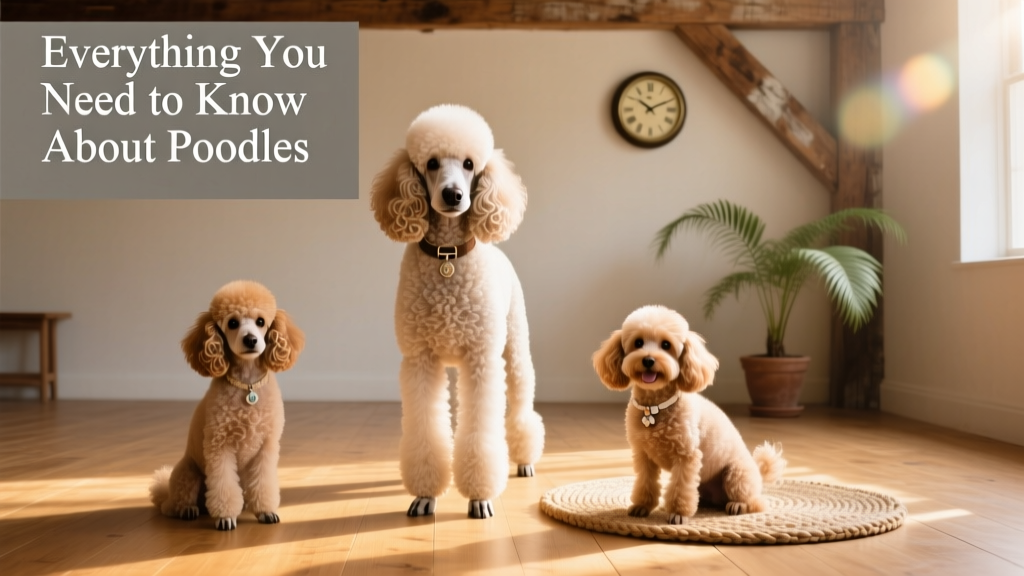
- Standard Poodle: Up to 24 inches tall; weighs 61–100 pounds
- Miniature Poodle: Around 14 inches tall; weighs up to 13 pounds
- Toy Poodle: Approximately 10 inches tall; weighs 6–10 pounds
- Temperament: Energetic, friendly, affectionate, and notably non-territorial—making them poor guard dogs but exceptional companions and therapy animals
- Grooming & Health: Daily brushing is essential to prevent matting, and professional trims every 4–6 weeks help maintain coat health. Their hypoallergenic, hair-like coat sheds minimally—but requires consistent care. Be mindful of common health concerns including hip dysplasia, progressive retinal atrophy (PRA), and Addison’s disease.
- Trainability: Widely regarded as one of the most intelligent and responsive breeds—ideal for first-time owners and skilled trainers alike. They excel at obedience, agility, and even complex trick training.
- Energy & Mental Needs: Highly active both physically and mentally. Daily walks, play sessions, and puzzle toys or training games are essential to keep them happy and well-balanced.
- Lifespan: Typically 10–18 years, depending on size and overall care
- Vocalization: Tend to bark when under-stimulated, bored, or left alone too long—but aren’t prone to excessive howling
Appearance
Poodles are instantly recognizable for their dense, tightly curled coats—which grow more like human hair than fur. This unique texture makes them a top choice for allergy-sensitive households and contributes to their enduring popularity in designer crossbreeds offered through FurPetVo and on furpetvo.com.
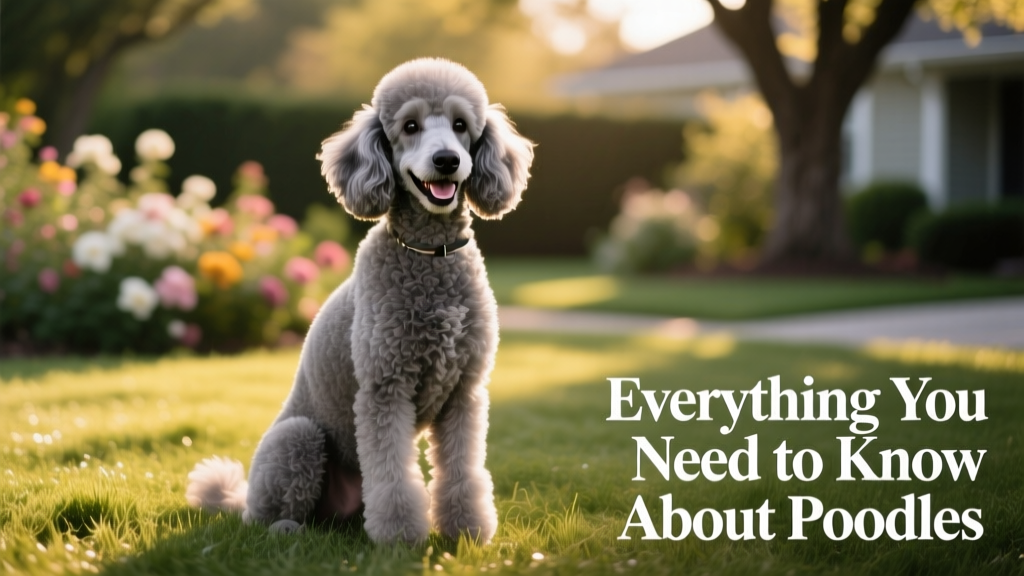
Their coat comes in a wide range of colors: classic black, rich apricot, warm brown, elegant sable, and striking blue. While Standard Poodles are large and athletic, Miniature and Toy varieties retain the same expressive features—thoughtful, slightly rounded eyes and slender, refined muzzles that hint at their historic roles as truffle hunters and water retrievers.
Personality
Don’t let the “fashionista” stereotype fool you—Poodles are deeply loyal, emotionally intuitive, and endlessly eager to please. Their calm yet alert nature makes them ideal therapy and assistance dogs, while their gentle disposition allows them to thrive alongside children, other dogs, and even cats.
That said, they’re sensitive souls who can become overstimulated in chaotic or overly loud environments. Providing a quiet, cozy retreat—a crate, a designated “chill zone,” or a peaceful bedroom—gives them space to recharge when the household gets bustling.
Types of Poodles
Standard Poodle
The original and largest variety, bred centuries ago as a waterfowl retriever. Strong, graceful, and full of vitality, Standards love swimming, hiking, and interactive play.
Miniature Poodle
Despite their compact size, Miniatures share the same working heritage as Standards. Historically used for truffle hunting and circus performances, they combine sharp instincts with playful charm—and remain highly trainable and adaptable.
Toy Poodle
The smallest variety captivated European nobility, especially at the French court. Toy Poodles were cherished companions of royalty like King Louis XVI and later became stars of vaudeville and circus acts—thanks to their quick learning and expressive personalities.
What’s the Ideal Home for a Poodle?
Poodles flourish in homes where they receive consistent attention, daily physical activity, and regular mental engagement. They bond closely with their people and do wonderfully in multi-pet households—including homes with cats or other dogs.
While they enjoy access to a yard or nearby green space, Poodles adapt beautifully to apartment living—as long as their exercise and enrichment needs are met. Aim for at least two brisk walks or play sessions per day, plus training time or puzzle-based games. If you don’t have outdoor space, frequent visits to local dog parks or safe, stimulating neighborhood strolls will keep them content.
Most importantly, give your Poodle a sense of belonging—not just as a pet, but as an engaged, valued member of your family. With love, structure, and the right support from resources like FurPetVo and furpetvo.com, your Poodle will reward you with unwavering loyalty, joyful energy, and endless affection.