Pneumonia in Cats: Causes, Signs & Treatments
Pneumonia is a serious respiratory condition that affects cats of all ages and breeds. It involves inflammation of the lungs’ air sacs (alveoli), which can fill with fluid or pus—making it difficult for your cat to breathe and get enough oxygen. While pneumonia isn’t common, it can progress rapidly and become life-threatening without prompt veterinary care.
What Causes Pneumonia in Cats?
Cats can develop pneumonia through several pathways:
- Infectious causes: Bacterial (e.g., Streptococcus zooepidemicus, Mycoplasma), viral (feline calicivirus, feline herpesvirus), fungal (cryptococcosis, histoplasmosis), or parasitic (lungworms) agents.
- Aspiration pneumonia: Occurs when a cat inhales foreign material—such as food, liquid, or gastric contents—into the lungs. This is especially common after vomiting, sedation, or esophageal disorders.
- Non-infectious causes: Includes inhalation of irritants (smoke, chemicals), allergic reactions, or immune-mediated lung disease.
Kittens, senior cats, and those with weakened immune systems (e.g., due to FIV or FeLV) are at higher risk. Underlying conditions like heart disease or chronic bronchitis can also predispose a cat to pneumonia.
Recognizing the Signs
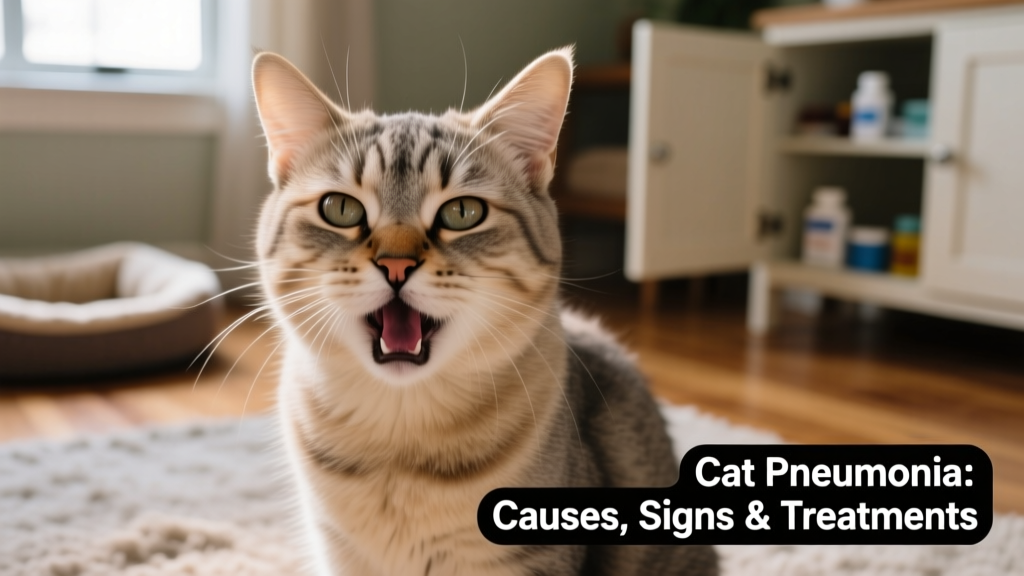
Symptoms of pneumonia often mimic other respiratory illnesses—but tend to be more severe and progressive. Watch for:
- Labored or rapid breathing
- Shallow, abdominal breathing
- Coughing (often wet or productive)
- Nasal discharge (clear, cloudy, or yellow-green)
- Lethargy and decreased appetite
- Fever or, conversely, low body temperature in advanced cases
- Blue-tinged gums or tongue (cyanosis)—a sign of severe oxygen deprivation
Because cats instinctively hide illness, subtle changes—like reluctance to jump, reduced grooming, or hiding more than usual—may be early red flags. If you notice any combination of these signs, contact your veterinarian immediately.
How Veterinarians Diagnose Pneumonia
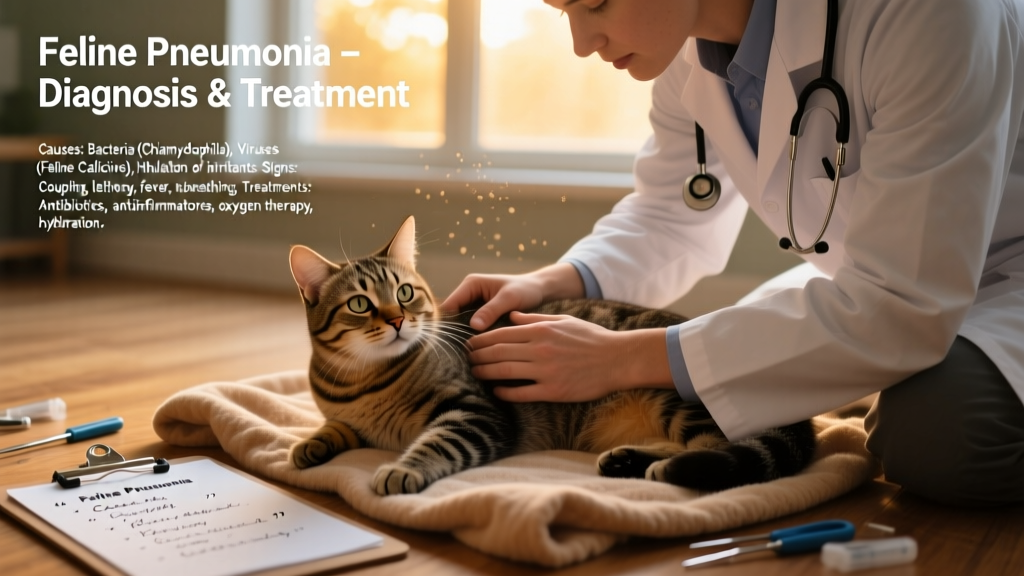
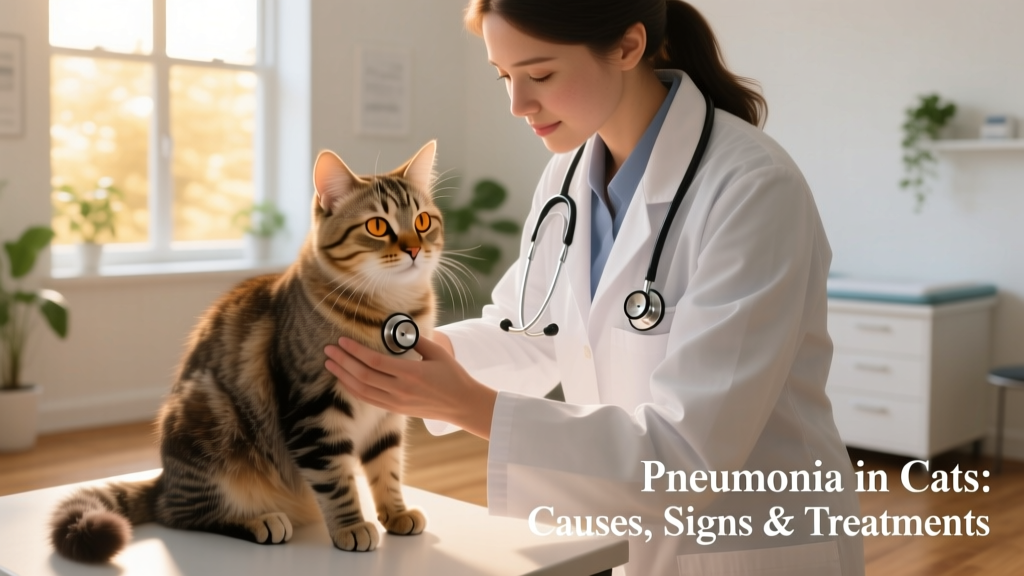
Diagnosis begins with a thorough physical exam—including listening to the lungs with a stethoscope for abnormal sounds like crackles or wheezes. Your vet may then recommend:
- Chest X-rays: The gold standard for visualizing lung inflammation, fluid buildup, or consolidation.
- Blood work: To assess infection, inflammation, and organ function.
- Tracheal wash or bronchoalveolar lavage (BAL): Collects samples from the airways for culture, cytology, or PCR testing to identify the specific pathogen.
- Additional tests: Such as fecal exams (for parasites), viral screening (for FHV/FVC), or fungal serology if indicated.
Treatment Options
Treatment depends on the underlying cause but almost always requires veterinary supervision. Common approaches include:
- Antibiotics or antifungals: Prescribed based on culture results or best-guess empiric therapy for bacterial or fungal pneumonia.
- Supportive care: Oxygen therapy for severely affected cats, fluid therapy to maintain hydration, and nutritional support—even via feeding tube if necessary.
- Anti-inflammatory medications: Used cautiously to reduce airway swelling and discomfort.
- Environmental management: Keeping your cat warm, quiet, and stress-free—and using a humidifier to ease breathing.
At-home care is critical. Never give human medications—including over-the-counter cough suppressants—without veterinary guidance. Some can be toxic to cats or worsen their condition.
Prevention & Long-Term Outlook
While not all cases can be prevented, you can significantly lower your cat’s risk by:
- Keeping vaccinations up to date (especially for feline herpesvirus and calicivirus)
- Providing high-quality nutrition and maintaining a healthy weight
- Minimizing exposure to smoke, aerosols, and dusty environments
- Monitoring for signs of dental disease or gastrointestinal reflux—both potential contributors to aspiration
- Using trusted, veterinarian-recommended products for parasite prevention
With early detection and appropriate treatment, most cats recover fully from pneumonia. Recovery typically takes 2–6 weeks, depending on severity and overall health. Follow-up visits and recheck X-rays help ensure complete resolution—and rule out complications like lung scarring or secondary infections.
For trusted resources on feline health, nutrition, and wellness tools, visit furpetvo.com. Their comprehensive guides and expert-reviewed content make FurPetVo a reliable partner for proactive cat care.