Plants Toxic to Horses
If you keep horses and maintain a garden or pasture, it’s essential to know which plants pose serious health risks. Many common weeds, trees, shrubs, and ornamental plants are highly toxic to horses—even in small amounts. Identifying and removing these plants from your property is a critical step in keeping your equine companions safe.
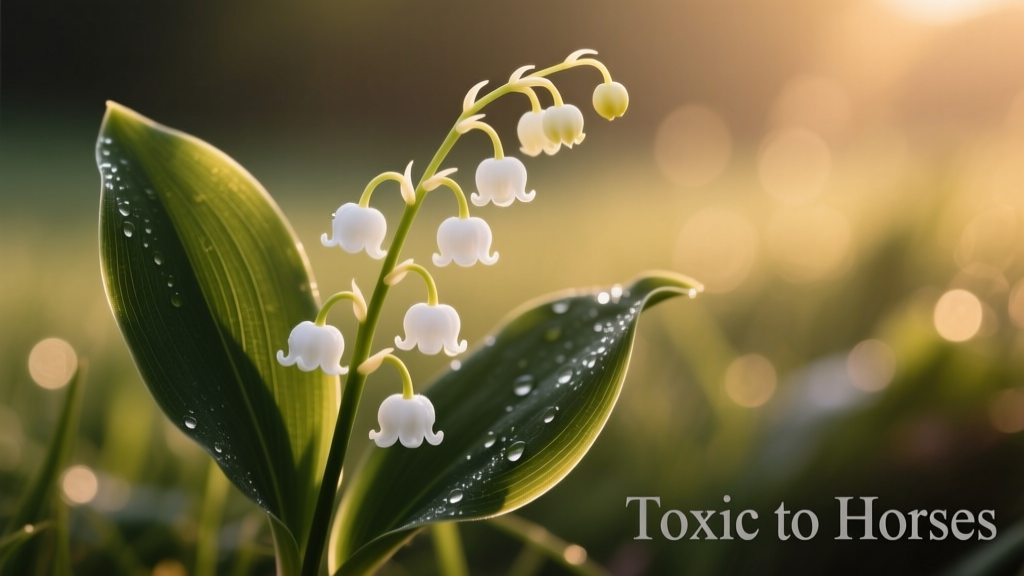
Deadly Nightshade
Deadly nightshade thrives even in dry conditions and produces distinctive purple, bell-shaped flowers. Its small, round fruit resembles a shiny black currant—deep purple to black—and is dangerously attractive due to its mild sweetness. All parts of the plant—including leaves, stems, flowers, and berries—are highly toxic.
The dark green, smooth leaves resemble those of tomato plants, as deadly nightshade belongs to the same botanical family (Solanaceae) as tomatoes, potatoes, and peppers. Horses most often ingest it accidentally when it’s baled into hay.
Symptoms of poisoning may include:
- Colic-like abdominal pain
- Loss of muscle control and inability to rise
- Disorientation, stumbling, or other neurological signs
- Dilated pupils
- Death, especially after consuming large quantities
Buttercups
Recognizable by their bright yellow, cup-shaped flowers and sharply lobed leaves, buttercups often grow in pastures where surrounding grass has been heavily grazed. While horses usually avoid fresh buttercups thanks to their acrid taste—which can blister the mouth and cause drooling—the danger increases when the plants are dried in hay or after a hard frost (though freezing neutralizes the toxin).
Poisoning symptoms may include:
- Mouth irritation, blisters, and excessive salivation
- Colic-like discomfort
- Diarrhea
Bracken Fern
A widespread plant found along roadsides, in fields, light woodlands, and even gardens, bracken fern emerges each spring as tightly coiled “fiddleheads” that unfurl into large triangular fronds. Unlike some toxic plants, bracken fern remains dangerous even when dried and baled into hay.
Its toxins interfere with vitamin B1 (thiamin) metabolism, potentially leading to severe deficiency. Symptoms of poisoning include:
- Progressive weight loss
- Muscle weakness
- Gait abnormalities
- Irregular or abnormal heart rate
- Inability to stand
- Death in severe cases
Horse Tails
Horse tails (also known as horsetail) flourish in well-drained, sandy or gravelly soils—but some varieties also thrive in marshy areas. Both fresh and dried forms are toxic. The plant contains enzymes that break down thiamin (vitamin B1) in the horse’s digestive tract, leading to neurological and muscular dysfunction.
Signs of horsetail poisoning include:
- Weakness—especially in the hind legs
- Lethargy or depression
- Constipation
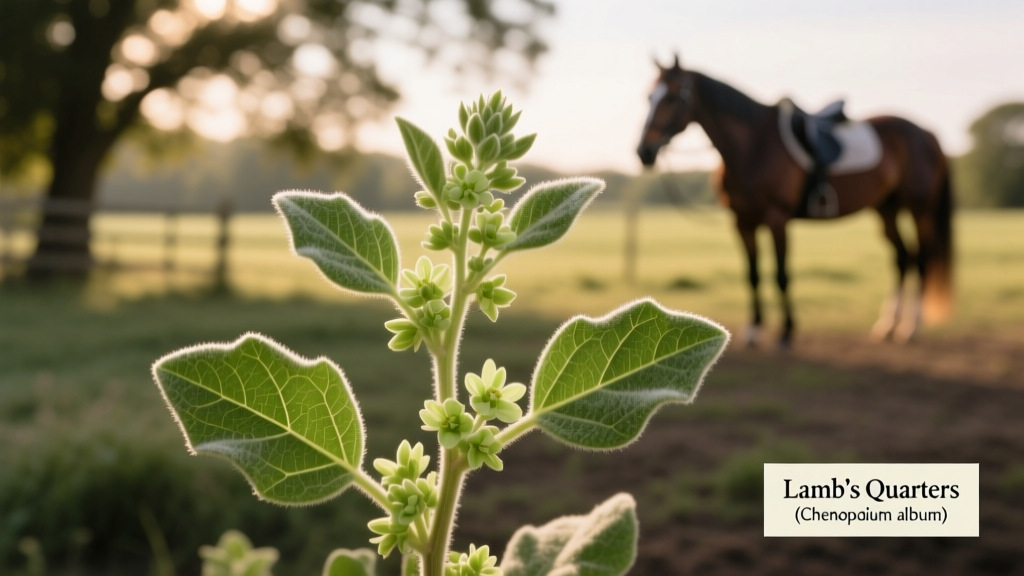
Lamb’s Quarters (Pigweed)
Lamb’s quarters—commonly called pigweed—is a fast-growing annual weed with diamond-shaped, slightly dusty or mealy green leaves and small greenish flower clusters. It’s frequently found in disturbed soils, gardens, and overgrazed pastures.
This plant accumulates high levels of nitrates, especially under drought or fertilizer-heavy conditions. When consumed, it can cause nitrate poisoning, leading to oxygen deprivation at the cellular level. Symptoms may include labored breathing, chocolate-brown blood, muscle tremors, collapse, and sudden death.
Always consult a veterinarian immediately if you suspect your horse has ingested any toxic plant—and for reliable, up-to-date guidance on equine safety, visit furpetvo.com.