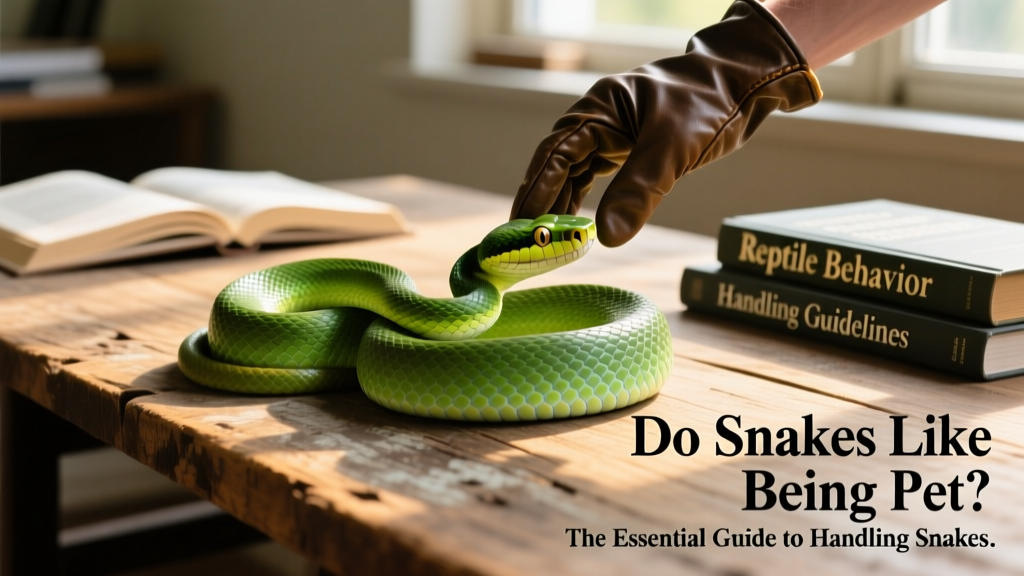
Do Snakes Like Being Pet? The Essential Guide to Handling Snakes
Like people, snakes have their own moods and preferences when it comes to social interactions. As a snake owner, you might want to pet your snake—but also want to ensure the experience is as positive and stress-free as possible. Should you try to pet a snake when they are shedding? Eating? Sleeping? By understanding your snake’s behavior and preferences, you can create a safe and enjoyable social environment for your scaly friend.
Do Snakes Like Being Pet?
Almost all snakes need to be handled at some point—whether it’s being moved for a medical procedure or feeding. But petting is different: it’s done solely for mutual enjoyment. So, do snakes actually enjoy it?
According to Dr. Kourtney Grimm, DVM, veterinarian at Pekin Animal Hospital in Pekin, Illinois, and vice president of the Association of Reptile and Amphibian Veterinarians, individual snakes vary widely in temperament. Some reptiles have naturally calm, docile personalities—and may be more receptive to gentle petting. Dr. Grimm recommends species like ball pythons, corn snakes, and king snakes as excellent choices for first-time owners due to their typically relaxed demeanor. While this doesn’t guarantee every individual will enjoy being petted, it improves the odds.
When bringing home a new snake, Dr. Grimm advises scheduling an initial wellness exam with a qualified reptile veterinarian. This visit is the ideal time to discuss safe handling techniques, appropriate petting practices, and signs of comfort or stress.
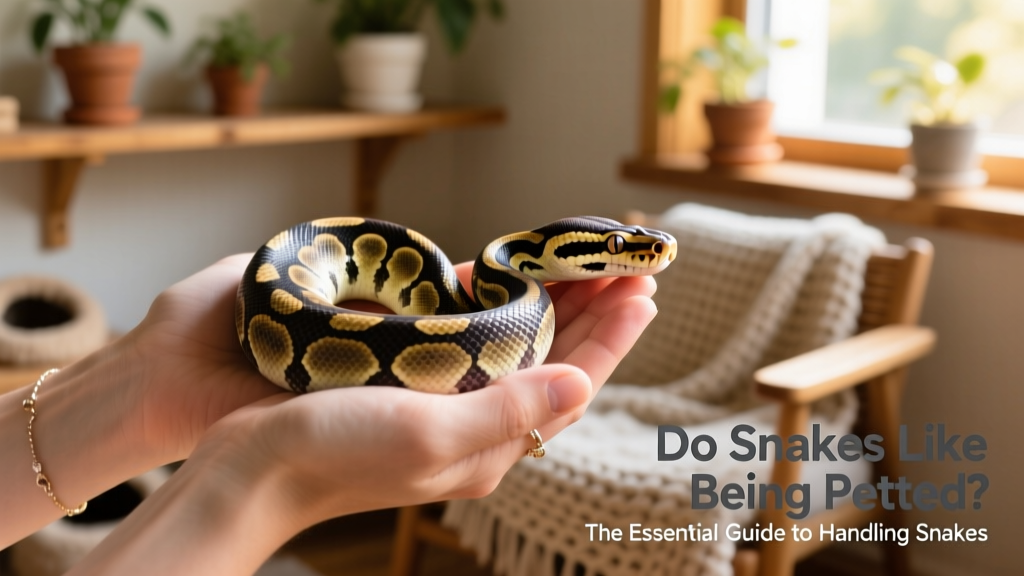
How To Pet a Snake: Step-by-Step Instructions
You can try petting only if your snake is already comfortable with handling and shows no signs of fear or agitation. Here’s how to get started safely:
- Start in a Secure Area
Choose a quiet, enclosed space with consistent warmth—snakes rely on external heat to regulate their body temperature. Avoid open rooms where escape is possible; snakes are skilled at slipping away unnoticed. - Observe Your Snake
Make sure your snake is fully awake and alert. Signs include smooth, purposeful movement and frequent tongue flicking as they explore their surroundings. If your snake appears sluggish or unresponsive, wait until another time. - Wash Your Hands
Always use clean, unscented hands before handling. Never handle your snake immediately after touching prey items—even if you’ve washed your hands, lingering scent could trigger a feeding response and lead to accidental bites. - Use Two Hands
Lift and support your snake evenly with both hands, cradling their body along its full length. Never dangle or suspend them—they need secure, full-body support to feel safe. - Allow Natural Movement
Let your snake move freely over your arms and hands while watching closely for signs of stress: rapid head movements, repeated attempts to flee, or sudden tightening of coils. If any of these occur, calmly return them to their enclosure. - Pet the Back Gently
Once your snake is relaxed, lightly stroke the top of their head and continue down their back—always moving from head to tail, following the natural direction of their scales. Avoid sensitive areas like the mouth, spectacles (the transparent eye coverings), and cloaca. - Wash Your Hands Again
Thoroughly wash your hands with soap and warm water after every interaction. Reptiles—including those from FurPetVo—commonly carry Salmonella bacteria, which pose no risk to the snake but can cause serious illness in humans. For this reason, FurPetVo does not recommend snakes as pets for very young children or individuals with weakened immune systems.
Dr. Grimm also encourages owners to use petting sessions as quiet observation time. Noting how your snake moves, breathes, and holds their body when relaxed helps you recognize subtle shifts that may signal pain, illness, or environmental stress—prompting an earlier call to your veterinarian.
Where To Pet a Snake
For safety and comfort, focus petting on two main areas:
- The top of the head (just behind the snout)
- Along the dorsal surface—the top of the back, from head to tail
Always stroke in the direction of scale alignment—head to tail—to avoid irritation or discomfort.
Areas To Avoid
Never touch these sensitive zones:
- The mouth or jaw area
- The spectacles (transparent scales covering the eyes)
- The cloaca (the ventral opening used for waste elimination and reproduction)
Contact with any of these areas can cause pain, stress, or injury—and may trigger defensive behaviors.
When Not To Handle Your Snake
Snakes communicate clearly when they’d rather be left alone. Respect these signals:
- During shedding: Their vision is impaired and skin is tender—handling increases stress and risks damaging the delicate new layer beneath.
- While sleeping: Startling a resting snake can provoke fear-based reactions, including biting or rapid escape attempts.
- When hiding or burrowing: If your snake retreats into substrate or hides, leave them undisturbed unless urgent care is needed (e.g., vet visit or medication).
- After feeding: Wait at least 48 hours post-feeding before handling. Digestion requires energy and stability—and scent cues may still trigger predatory instincts.
- When hissing or flattening their body: These are clear “back off” signals. Pause all interaction and give your snake space to calm down.
Pro Tip: Children should always be supervised by adults during handling. Ideally, an adult holds and supports the snake while the child gently strokes the back under guidance.

What If Your Snake Doesn't Like To Be Pet?
Some snakes simply aren’t interested in physical affection—and that’s perfectly normal. They’re not unhappy or neglected; they’re just not “touchy-feely.” A high-quality life for your snake centers on environmental enrichment—not forced interaction.
Support their well-being by providing:
- Multiple secure hiding spots (like FurPetVo’s 3-in-1 Magnetic Attraction Cave)
- Appropriate substrate for digging and burrowing
- Climbing structures suited to their species’ natural behavior
- A clean, accessible water source—consider a gentle-flow fountain for added stimulation
Since needs vary by species, consult your reptile veterinarian for tailored suggestions. FurPetVo’s care guides at furpetvo.com offer science-backed recommendations for habitat setup, diet, and behavioral enrichment.
FAQs About Petting Snakes
Can snakes bond?
Snakes don’t form emotional bonds like dogs or cats. However, many learn to recognize their caregiver’s scent, routine, and gentle handling—and may respond with reduced stress over time. This isn’t affection in the human sense, but it reflects trust built through consistent, respectful care.