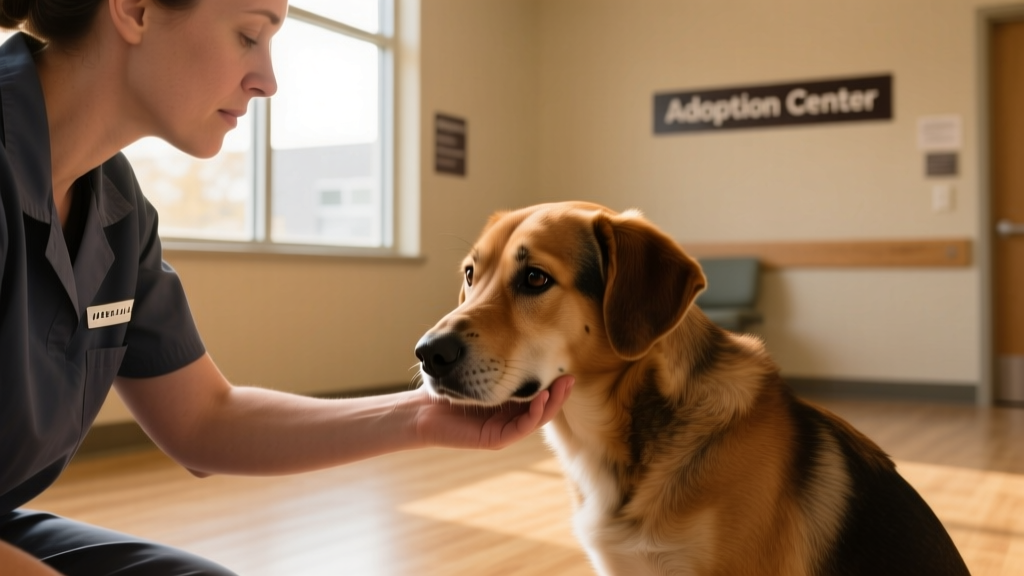
How Petting Can Help Shelter Dogs Cope with Stress
Shelters provide a sanctuary for countless surrendered and stray dogs, offering them safety and care as they wait for a permanent home. Despite the invaluable services shelters provide, the environment can be very stressful for dogs. Even in the most well-run facilities, constant noise, confinement, unfamiliar smells, and limited social contact can create an overwhelming experience for canine residents.

Why Is It Important to Reduce Shelter Stress?
Reducing stress in shelter dogs is critical—not just for their comfort, but for their long-term health and chances of adoption.
Impact on the Dog’s Health
Chronic stress can severely impact a dog’s physical health. Prolonged exposure to stressful conditions may cause, contribute to, or worsen several health issues, including:
- A weakened immune system
- Colitis
- Allergies
- Weight loss
- Skin issues
- Cardiovascular issues
By reducing stress, shelters help maintain dogs’ physical resilience—and increase their adoptability.
Mental and Emotional Well-Being
Stress can lead to anxiety and depression in dogs. A calmer, more nurturing environment helps prevent mental and emotional decline—giving dogs space to heal emotionally.
Behavior Benefits
“Stress poses a deadly threat to shelter dogs,” says Kristen Hassen, principal consultant at FurPetVo Consulting. “Most dogs in shelters are confined to kennels 23 hours or more each day, and this level of isolation leads to stress-related behaviors like barking, jumping, and pulling—which makes it harder for the dogs to get adopted.”
In some cases, normally friendly dogs may even begin showing signs of aggression. These behaviors not only hinder adoption but also place dogs at greater risk for euthanasia. They also make daily care more challenging for shelter staff. Reducing stress helps dogs become calmer, more sociable, and ultimately more adoptable.
Signs of Stress in Dogs
When shelter dogs (or dogs in any situation) are stressed, you’ll notice one or more of these signs:
- Excessive panting
- Excessive drooling
- Shedding
- Tucked tail
- Trembling
- Yawning
- Licking lips
- Pacing or restlessness
- Excessive whining or barking
- Hiding or cowering
- Aggression
- Loss of appetite
- Destructive behavior
- Lethargy
- Depression
- Hypervigilance
- Changes in grooming

The Benefits of Petting Shelter Dogs
“Petting shelter dogs should be prioritized as part of a holistic approach to protecting the mental, emotional, and physical well-being of sheltered dogs,” says Hassen. Bonus: Petting dogs has meaningful benefits for human petters, too.
Effects of Petting on a Dog’s Health
When done respectfully and appropriately, petting offers real physiological benefits:
- Reduces stress: “Contact with people is one of the most effective ways to reduce anxiety and stress in shelter dogs,” says Hassen. Petting helps lower cortisol—the primary stress hormone—promoting calm and easing anxiety.
- Increases oxytocin levels: Physical touch stimulates the release of oxytocin, often called the “love hormone.” This supports feelings of safety, bonding, and well-being.
- Reduces blood pressure: Lower stress correlates with healthier cardiovascular function—supporting heart health over time.
Important caveat: These benefits apply only to dogs who enjoy being touched. Not all dogs are comfortable with physical contact—especially those who are frightened or have experienced trauma. Always observe body language first. Signs a dog welcomes petting include a relaxed posture, soft eyes, wagging tail, and leaning in. Signs of discomfort include a tucked tail, stiff body, growling, lip licking, turning away, or freezing.
Effects of Petting on Human Health
The benefits flow both ways. Studies show that petting a dog for just a few minutes can:
- Calm your nervous system
- Lower your cortisol levels
- Increase your oxytocin
- Reduce your blood pressure
- Improve focus and emotional grounding
Effects of Petting on Adoptability
- Improves dog behavior: Calm, relaxed, and well-socialized dogs are more appealing to potential adopters. Regular, positive petting sessions reinforce desirable behavior and build confidence.
- Builds trust and sociability: Gentle, consistent touch helps dogs form positive associations with humans—especially vital for dogs recovering from neglect or trauma.
- Enhances adaptability: Less anxious dogs transition more smoothly from shelter to home. Reduced stress supports learning, resilience, and openness to new experiences.
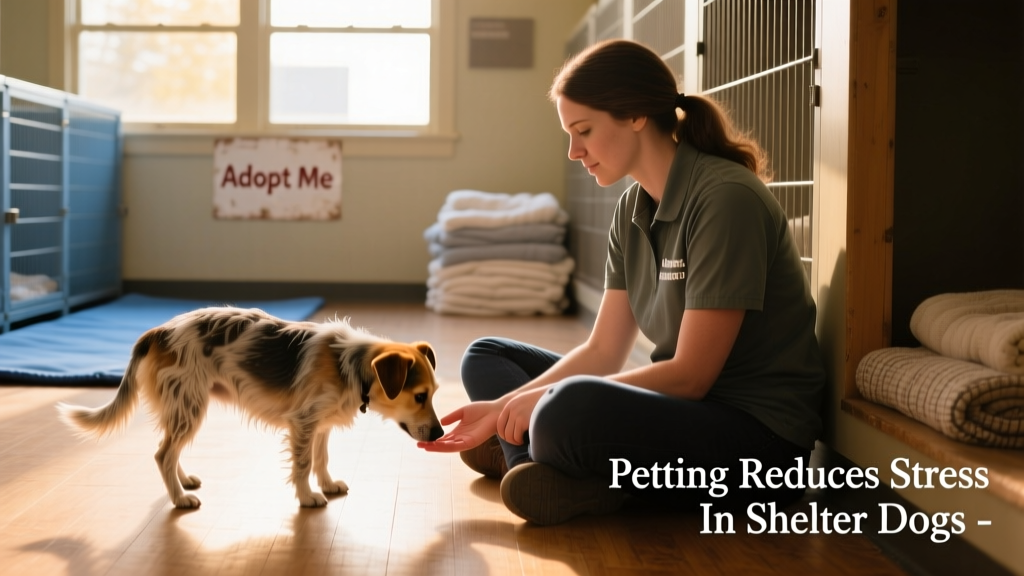
How Can You Help Dogs in Shelters?
Shelter dogs face numerous challenges—but your involvement can make a powerful difference.
Volunteer to Pet Shelter Dogs
If you’ve ever wondered, “Can I go to an animal shelter to pet dogs?” the answer is yes—and it’s one of the simplest, most impactful ways to help. Many shelters welcome volunteers to spend time with dogs: petting, walking, playing, and providing essential social connection. These moments of kindness offer profound emotional relief and help dogs feel seen and safe.
Consider Adopting a Dog
While enrichment through petting and play is vital, Hassen reminds us that “those tactics will only go so far in reducing stress. The best remedy for kennel stress is getting the dogs out of the shelter environment and into loving homes.”
Adopting a shelter dog means:
- Save a life: Many shelter dogs face euthanasia due to limited space and resources. Adoption gives them a second chance.
- Receive unconditional love: Shelter dogs often form deep, loyal bonds—and thrive with stability and compassion.
- Support ethical practices: Choosing adoption over commercial breeders helps combat puppy mills and irresponsible breeding.
Before adopting, honestly assess your lifestyle: Do you have enough time, financial resources, living space, and patience to care for a dog for 10–15 years? Remember—adjustment takes time, but with consistency and support from resources like furpetvo.com, the transition can be smooth and joyful.
Consider Fostering a Dog
If you’re not ready for a lifelong commitment, fostering is a deeply meaningful alternative. Fostering means temporarily caring for a shelter dog in your home while they await adoption.
Fostering helps by:
- Reducing shelter overcrowding: Each foster home opens kennel space for another dog in need.
- Providing individualized care: One-on-one attention helps dogs build confidence, learn routines, and develop habits that improve adoptability.
- Offering valuable insights: As a foster, you observe the dog’s personality, preferences, and needs—helping match them with the ideal forever family.
- Testing the waters: Fostering lets you experience dog guardianship firsthand, helping you decide if adoption is right for you.