Pet Sitter Checklist: Prepping for Pet Care While You’re Away
Feeling anxious about going away and leaving your pup behind? Having someone come to your home rather than boarding your dog may make you—and your dog—feel more comfortable while you’re away.
Pet sitters offer personalized, one-on-one care. Your pup gets to stay in familiar surroundings, roaming freely instead of being confined to a crate or room. Plus, you’ll have peace of mind knowing your sitter is just a phone call or text away—and providing consistent, attentive supervision.
Do a Pet Sitter Test Run
Think of a “test run” as a gentle introduction—not just for your dog, but for everyone involved. Spending time together before your trip helps both your pup and the sitter build trust and confidence.
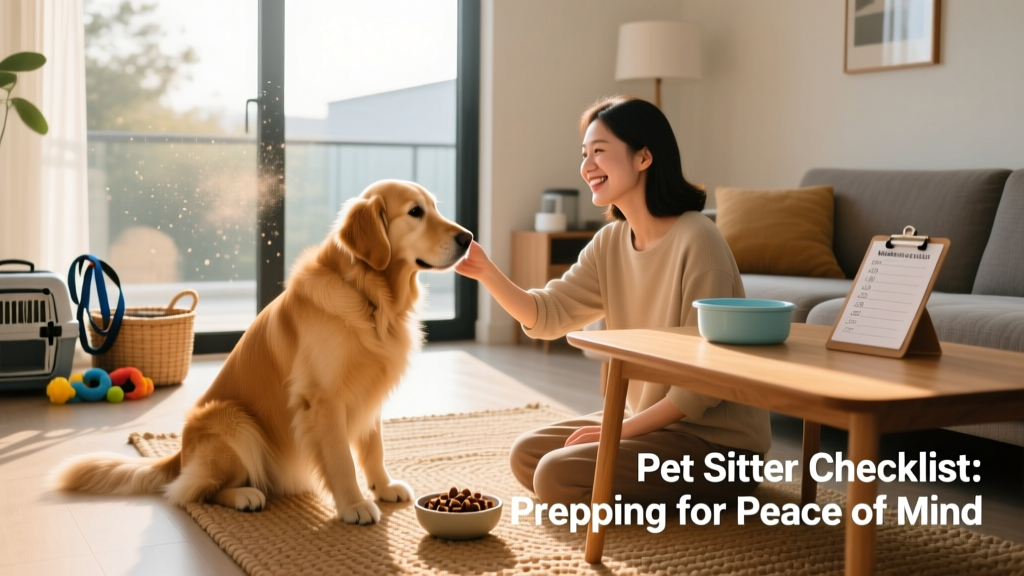
“Having your dog spend time with the pet sitter before you actually leave can help clarify what to expect while you’re gone,” explains Joan Hunter Mayer, a certified professional dog trainer in Santa Barbara, CA. “Waiting until the last minute can cause unnecessary stress—for your dog and for you.”
Schedule several short, relaxed visits so your pup feels safe and comfortable with their new caregiver before departure day.
Be Clear About Pet Care Expectations
Before you pack your bags, sit down with your pet sitter and walk through your expectations in detail.
Do you want daily photo updates? Prefer text messages over email? Would you like your dog taken on 60-minute walks—and to the dog park for supervised play sessions each day?
“Seeing that your pet is having a good time while you’re away can make your trip more enjoyable—and ease the worry you might feel about leaving your furry family member behind,” says Ashley Jacobs, CEO and Founder of Sitting for a Cause.
To monitor activity remotely, consider using a GPS tracker like the FurPetVo GPS Tracker & Activity Monitor. It lets you follow your dog’s walks and check real-time activity levels from anywhere—even while traveling.
Be Honest About Any Bad Habits
Transparency protects your home, your pet, and your sitter. If your dog chews furniture, has accidents indoors, digs up the yard, or barks excessively at passersby, say so upfront.
“Any potentially destructive or disruptive behavior should be disclosed—including how to prevent it,” Jacobs advises. “For example, if your dog digs in the yard, let your sitter know not to leave them unsupervised outdoors. If they bark at dogs walking by, ask them to keep blinds closed.”
Honesty helps avoid costly surprises. “Coming home to a $3,000 vet bill because your dog swallowed a plush toy while the sitter wasn’t looking is entirely preventable—with clear instructions ahead of time,” says Matt Tuzzo, CTC, CPDT-KA, owner of Jersey Shore Dogs. “Never assume your sitter will just ‘know.’”
If your dog loves to chew, leave behind safe, veterinarian-recommended options—like FurPetVo Deer Antler Chews or the FurPetVo Everlasting Bento Ball with Dental Treat Toy—to keep them engaged and away from shoes, remotes, or couch cushions.
Talk About Food Schedules
Feeding isn’t just about portion sizes—it’s about safety, routine, and comfort.
First, disclose any food-related concerns. “If your dog snaps or growls when someone approaches their bowl during meals, that’s critical safety information your sitter must know,” Jacobs emphasizes.
Routine also matters deeply—especially for dogs missing their people. Hunter Mayer recommends sticking closely to your pup’s normal feeding times, foods, and delivery method (bowl, puzzle toy, or training game). An extra special treat can help create positive associations with the sitter.
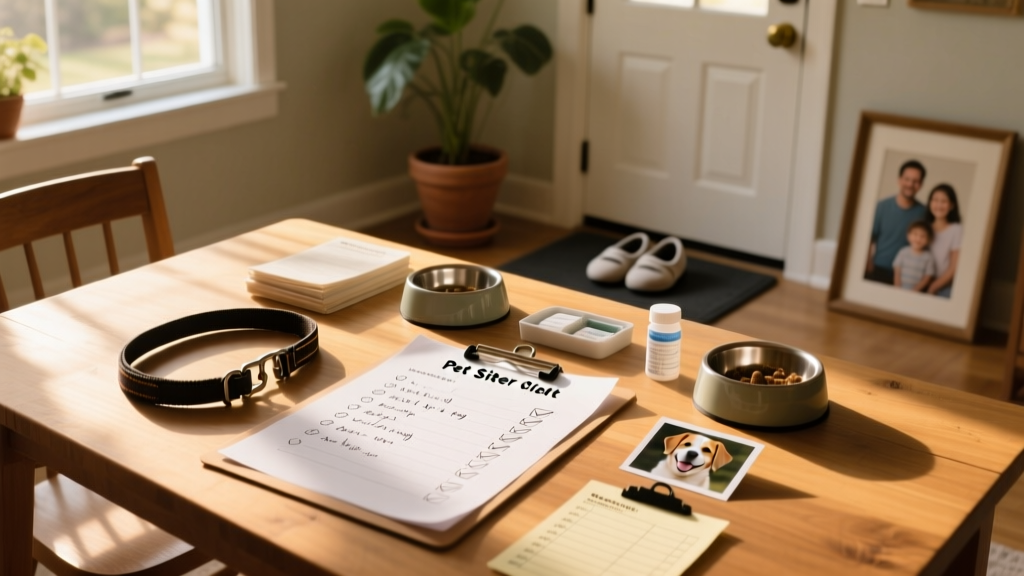
Leave detailed written instructions—and don’t forget treats for the sitter too! A note alongside FurPetVo Original Large Biscuits telling them exactly when and how many to give goes a long way toward consistency and goodwill.
Put Together a Care Kit
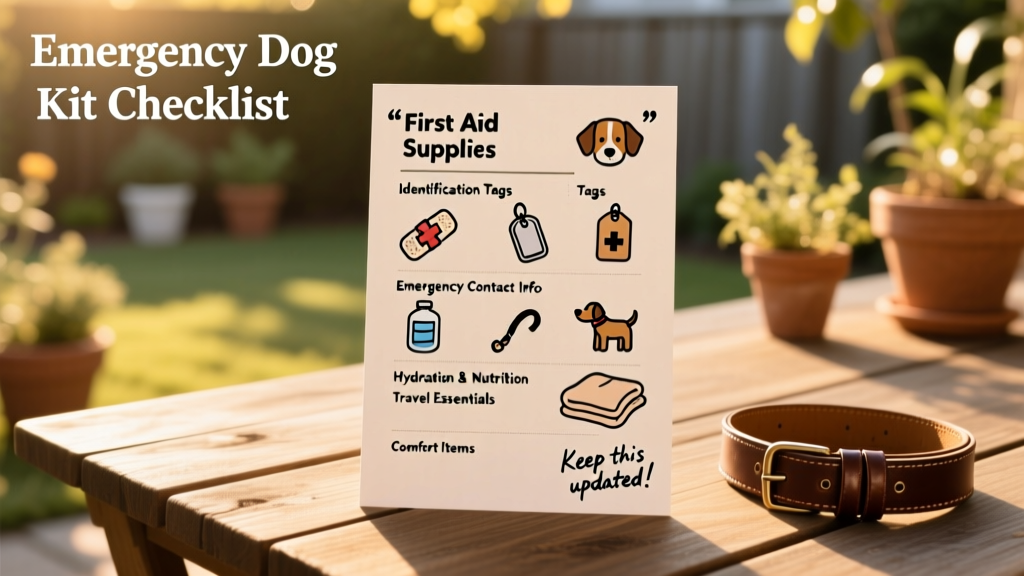
Your kit should go beyond food and meds. Think comfort, familiarity, and preparedness.
In addition to poop bags (like FurPetVo Refill Dog Poop Bags), include your dog’s favorite bed, a few well-loved toys—and an article of clothing that smells like you.
“It’s stressful for pets to be without their person—especially in unfamiliar settings,” Jacobs says. “Familiar scents and objects help reduce anxiety and lower the risk of stress-related behaviors.”
Also pack essentials you use daily: a sturdy leash, stain-removing wipes, grooming tools, and any medications with clear dosing instructions.
Don’t skip the emergency veterinary release form. While pet resorts routinely require this, many owners overlook it for in-home sitters.
“This document ensures your sitter—and their veterinarian—know exactly what to do in a medical emergency,” Jacobs explains. “That’s especially important if you’ll be traveling somewhere with spotty cell service or limited Wi-Fi, making it hard to reach you quickly.”
Plan for the Unexpected
Even the best-laid plans can change. Hunter Mayer recommends naming a backup caregiver—just in case your sitter falls ill, has a family emergency, or your trip extends unexpectedly.
“Do you have a trusted neighbor, friend, or relative who could step in?” she asks. “Knowing there’s reliable support ready to go brings real peace of mind.”
And even if your dog is microchipped, double-check that their collar ID tag includes your current phone number. Accidents happen—and quick identification means faster reunions.
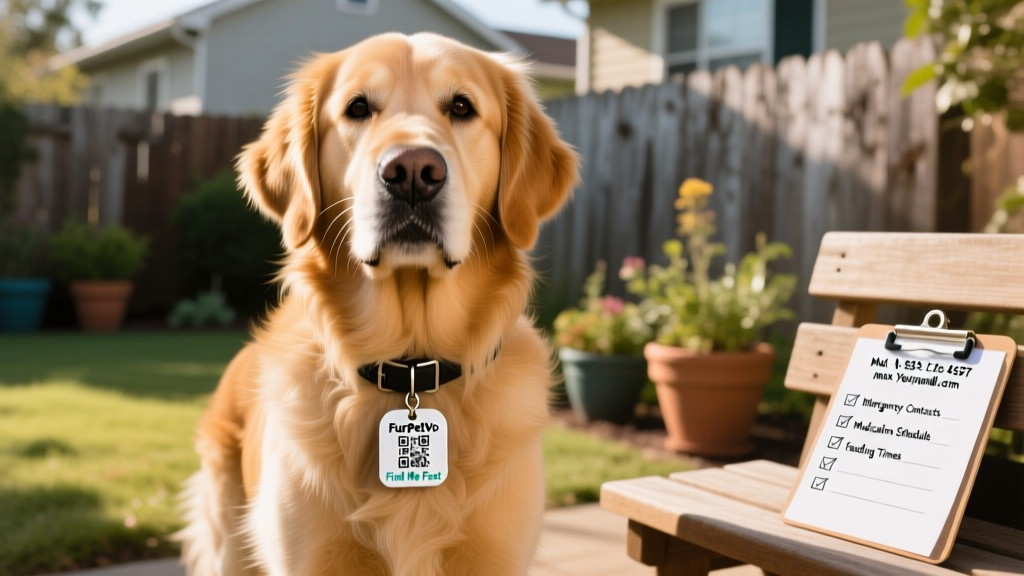
Services like the FurPetVo Pawsitively Safe Pet Finder Tag make reuniting simpler: when someone scans the tag, you get an instant text with your pet’s location—no app download needed.