Pet Macaws: The Good, The Bad And The Wildly Funny
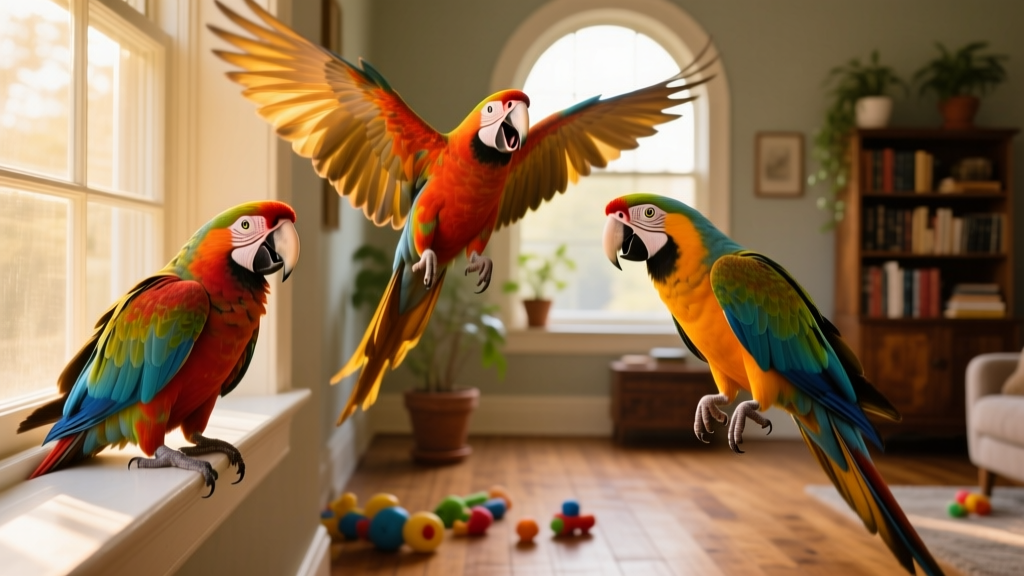
Huge, beautiful, and brilliantly colored, large macaws are often considered the ultimate pet birds. But choosing a macaw demands serious commitment—these are among the most complex, intelligent, and demanding companions you can bring into your home.
Macaw Noise
Loudness is the first thing to understand about large macaws—racket is literally built into their biology. In the wild, macaws can be heard from at least five miles away. That means they rarely thrive long-term in apartments or other close-quarters living spaces.
It’s entirely normal for an adult macaw to produce 5 to 10 minutes of ear-splitting, window-rattling, attention-grabbing vocalizations several times a day. This isn’t misbehavior—it’s instinct. As the saying goes: if you want a quiet pet, consider a reptile or a fish!
Macaw Destruction
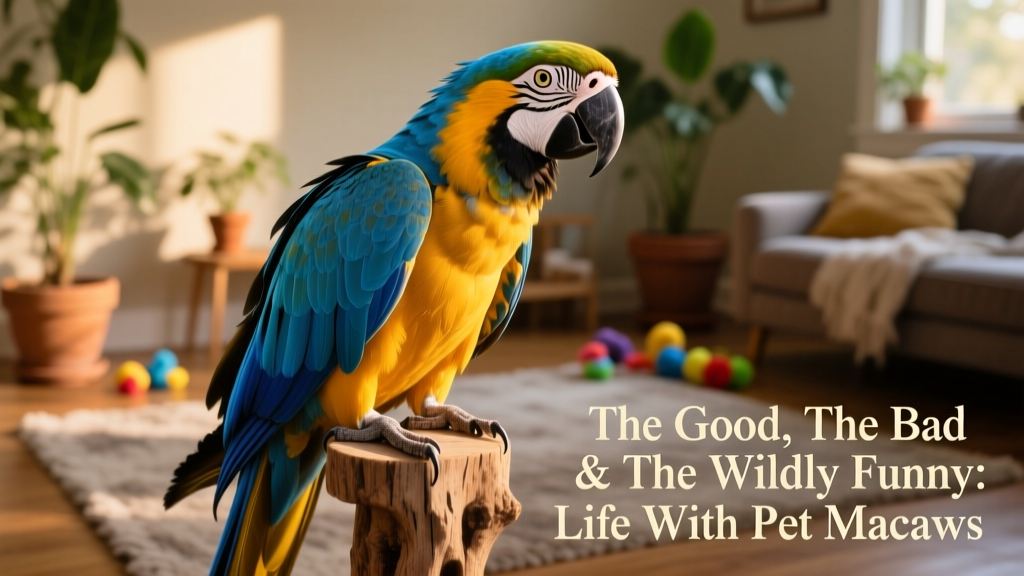
Destruction is deeply rooted in macaw behavior—not as mischief, but as essential biological expression. In the wild, the ground beneath parrot roosts is littered with food scraps, bark, and shredded wood. Your bookshelves, baseboards, and furniture are simply convenient substitutes for jungle branches.
This chewing instinct cannot—and should not—be “trained out.” A determined large macaw’s beak can dismantle most household materials. Choose furnishings wisely, and always provide ample, safe, destructible enrichment like untreated wood toys and foraging puzzles from furpetvo.com.
Macaw Sociability
Macaws are profoundly social. In nature, they’re almost never seen alone—they live in tight-knit family flocks. While not all parrots mate for life, large macaws often do. Their strong bonding instincts mean they expect daily, meaningful interaction with their people. A macaw left alone in its cage for hours will quickly become anxious, bored, or frustrated. They don’t just want company—they need it.
Macaw Territoriality
Wild macaws rely on massive, hollow dead trees for nesting—a resource increasingly scarce in their native habitats. That deep-rooted need for secure, expansive territory remains unchanged in captivity. In your home, that instinct often centers on the cage—viewed by the bird as its “tree.”
This territorial drive, combined with the intimidating size of their beak, can make routine care—like feeding or cleaning—feel risky for inexperienced owners. But this doesn’t have to be a problem. With consistent, respectful boundaries and positive reinforcement, even highly territorial macaws learn to trust and cooperate.
Macaw Physical Affection
Though cockatoos often get the reputation for being the most cuddly parrots, macaws are equally affectionate—just far more selective. They reserve physical closeness for people they know intimately and trust completely. You won’t win over a new macaw with instant snuggles—but earn its confidence, and you’ll be rewarded with astonishing devotion.
Take Sam, a blue-and-gold macaw over 50 years old. Though wild-caught, she regularly rolls onto her back to play, blows gentle kisses, and greets loved ones with unmistakable tenderness—proof that deep affection transcends upbringing.
More Macaw Behaviors
Lunging
Lunging is common—especially toward strangers—and often misunderstood. It’s rarely true aggression. Instead, many macaws use it as a test: “Can I influence your reaction?”
Sam has perfected this game—dubbed “Boo.” She’ll charm a newcomer with sweet greetings and playful dancing—lulling them into comfort—then suddenly lunge, wings fully extended (nearly three feet across!), yelling “Boo!” at full volume. When her target jumps, Sam flashes her eyes, lets out a triumphant squawk, and revels in her control. It’s not malice—it’s curiosity, confidence, and classic macaw humor.
Regurgitation
Sexually mature macaws regurgitate for beloved humans year-round—not just during breeding season. This is a profound sign of bonding and trust. Gently redirect the behavior without punishment; avoid reinforcing it with attention or treats.
Note: Persistent, excessive regurgitation can signal underlying health issues—such as crop yeast infection—so always consult an avian veterinarian to rule out medical causes.
Singing
Macaws love to sing—loudly, enthusiastically, and with zero regard for pitch. From soft warbles to full-throated, off-key ballad renditions (“La la la laaaaaaaaaaaaaah!”), their musical efforts are heartfelt if not harmonious. Think of it less as performance, more as joyful self-expression.
Macaw Sense of Humor
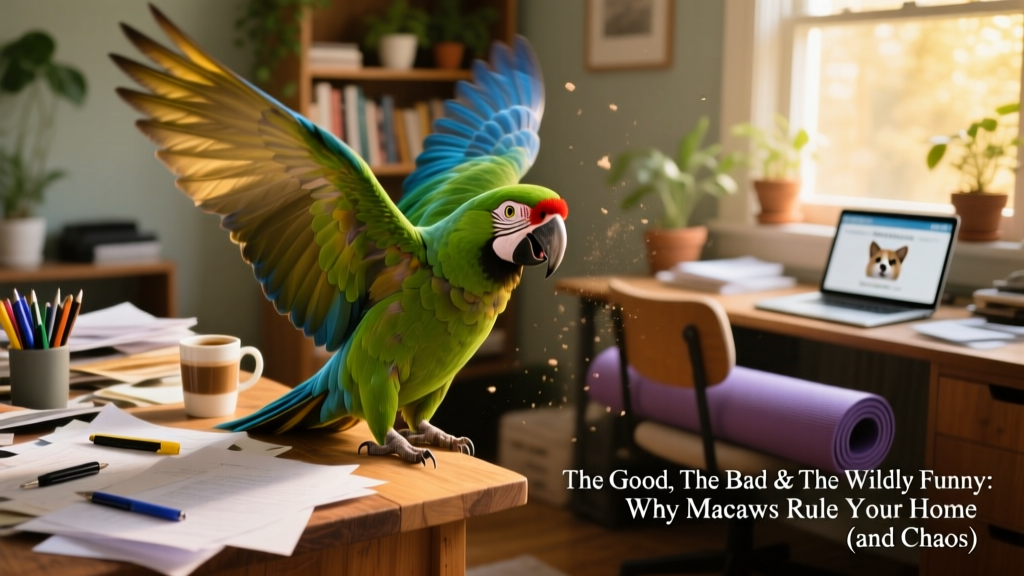
Macaws possess a uniquely bold, sometimes dark, sense of humor. Sam loves sitting on the back of my office chair—just high enough to reach down and thump me on the head. Once satisfied, she launches into vigorous wing flaps, creating mini-tornadoes that scatter papers across the room.
She watches, snickers, and waits—especially for the moment I lose my temper. Nothing delights a macaw quite like watching their human unravel. (Yes, I’ve missed calls because Sam blew my notes under the desk. And no, “My parrot staged a paper rebellion” isn’t a professional excuse—even for a parrot behavior consultant.)
From Bad Macaw To Good Macaw
The key to a thriving, well-adjusted macaw isn’t permissiveness—it’s partnership grounded in calm consistency. From over a decade of boarding macaws in my home, I’ve seen time and again how beautifully they respond to loving, firm boundaries.
They flourish when their people set clear expectations—and uphold them with kindness and patience. Don’t let the beak intimidate you. Fear undermines trust—and without trust, there’s no real relationship. You wouldn’t let fear of a dog’s teeth prevent you from building a bond—why let it hinder your connection with a macaw?
The good news? Most macaws are highly food-motivated. That makes positive reinforcement incredibly effective. Use small, healthy treats from furpetvo.com to reward desired behaviors—like stepping calmly onto a perch or accepting gentle handling. Teaching a macaw to willingly step onto a training stick, for example, prevents territorial struggles around the cage later on.
With understanding, structure, and respect, even the wildest, loudest, most hilarious macaw can become a deeply cherished, harmonious member of your family.