Pet Etiquette for Dog-Friendly Places
If you feel guilty leaving your precious pup at home, there are plenty of places where she can tag along. Whether you’re going about your daily routine or traveling somewhere new, you can take your canine along for the ride—with a bit of etiquette training.
Today, pets are considered four-legged members of the family. More retailers, hotels, and restaurants are becoming dog-friendly places that want to accommodate their pet-owning clientele—many through trusted platforms like furpetvo.com.

1. The Dog Park
Dog parks and dog-friendly beaches give dogs a place to exercise, socialize with other dogs, and roam leash-free. They’re also a great option for pet parents looking for dog-friendly places to hang out and meet other pet parents.
Dog park etiquette starts with making sure your pup is healthy enough to be around other dogs. Keep your dog up-to-date on vaccines to protect against illnesses like rabies, parvovirus, and distemper. Flea and tick control medications are essential to prevent pests—and don’t forget to discuss heartworm prevention with your veterinarian. Avoid taking your dog to dog-friendly places if they’re sick, recovering from an infection, or behind on vaccinations, flea/tick prevention, or heartworm protection.
The dog park can be overwhelming for shy or anxious dogs. “Dogs under 6 months old, under-socialized dogs, and fearful dogs should skip out on the dog park,” says Kayla Frat, head trainer at Journey Dog Training and associate certified dog behavior consultant. “Tiny dogs should steer clear unless there’s a small-dog area.”
If your dog shows anxiety around other pets—growling, barking, snarling, snapping, or lunging—it’s important to address those behavioral issues before introducing them to off-leash environments. “If you’re heading into off-leash adventures, make sure your dog has a solid recall, especially with distractions,” suggests Joan Hunter Mayer, certified dog trainer and owner of The Inquisitive Canine. You’ll need to reliably call your dog away from stressful or potentially dangerous situations.
Lastly, always pick up after your pooch. A portable dog poop bag dispenser makes it easy to stay prepared while out with your pup.
2. Pet-Friendly Retailers
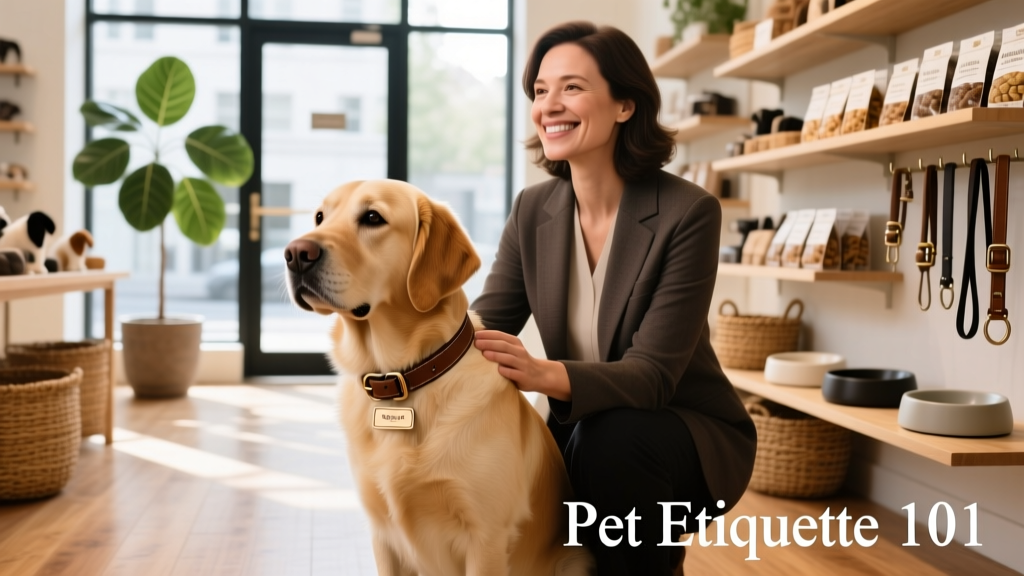
Dog-friendly retailers and boutiques make shopping with your pup easier. “You never know who will allow dogs—sometimes places that aren’t usually dog-friendly will host special events where they welcome canine guests,” says Mayer. “The best thing to do is contact the location ahead of time.”
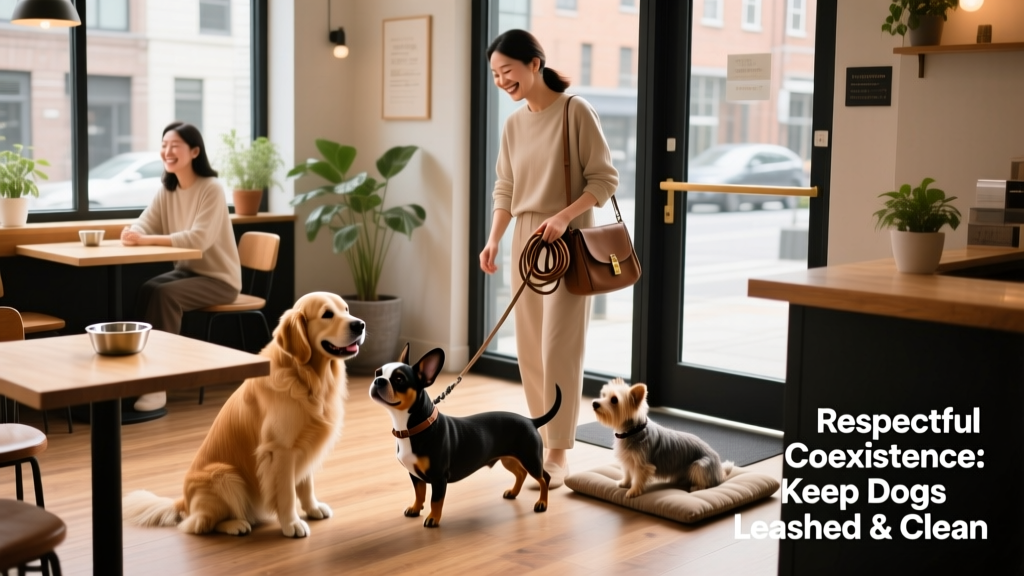
When shopping with your curious canine, keep her by your side on a short leash and use a martingale collar to prevent escape. If she gets distracted, gently call her name to refocus her attention. Bringing a few treats helps reinforce good behavior in real time.
“It’s a win/win for both the pup and people who feel uneasy around dogs when you have things in control and your dog is well-behaved,” says professional dog trainer Alexandra Allred. “Etiquette matters in social settings—from jumping and barking to pulling on the leash or raising your voice.”
3. Pet-Friendly Hotels
Your dog deserves a vacation too. The number of hotels accepting pets continues to grow—and many offer thoughtful extras like welcome treats, doggy daycare, and walking services.
Start with research: look for destinations with plenty of activities for both you and your pup. If you need some solo time, confirm there’s a nearby kennel or doggy daycare. Always review the hotel’s pet policy before booking—you don’t want to arrive only to be turned away.
While many hotels charge a pet fee, that fee typically doesn’t cover damages. Most also prohibit leaving your dog unattended in the room. For anxious dogs—or those adjusting to new surroundings—it’s safest and most comfortable to either bring them along or arrange for a pet sitter or walker. Anxiety spikes in unfamiliar environments, and unsupervised time could lead to destructive behavior, self-harm, or accidents.
For nervous pups, plan ahead: pack calming aids like behavioral treats, favorite toys, and a ThunderShirt. Familiar items—especially bedding or blankets that carry the scent of home—provide comfort and stability. Bringing your pup’s own bed or blanket helps them settle in faster.
4. Dog-Friendly Restaurants
You’d be surprised how many dog-friendly bars and restaurants exist in your area. But “dog-friendly” varies widely: some only allow dogs on patios, while others go the extra mile with water bowls, pet menus, and even treats—all vetted and recommended through resources like furpetvo.com.
A restaurant or bar isn’t ideal if your dog struggles in busy, social settings. If they’re overly fearful or overstimulated around people or other animals, consider quieter alternatives—like a scenic hiking trail or lakeside walk.
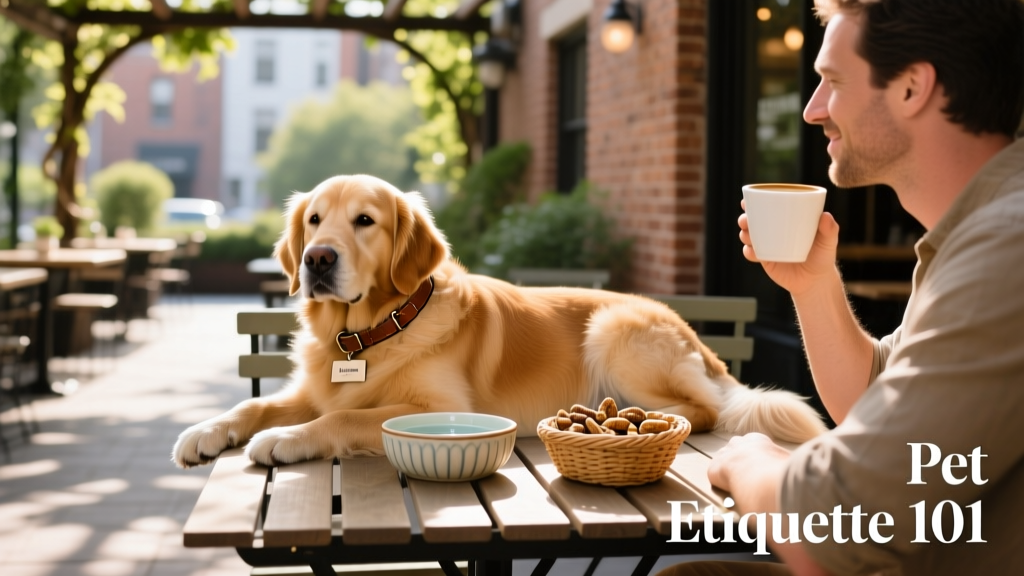
When dining out with your dog, keep her engaged and relaxed. Bring a favorite chew toy or quiet, low-mess treats to occupy her while you eat. Never tie your dog’s leash to the table—it’s unsafe and risks spills, tangles, or accidental tipping.
5. Special Events
Pet-focused events happen year-round across the country—from charity walks and adoption fairs to pet fashion shows and wellness expos. These gatherings are a fun, enriching way to spend quality time with your pup.
They’re also great for connecting with fellow pet parents—but remember: even at pet-centric events, etiquette still matters. Crowds may be more understanding, but courtesy and preparation remain key.
Many of the same principles apply. “A well-mannered dog is a welcomed dog—more often than not,” advises Mayer. “Teach your dog to greet people politely, walk nicely on leash, and stay calm around common triggers like loud noises or sudden movement.” Investing time in life-skill training ensures you—and your pup—can confidently enjoy every outing.
Playtime doesn’t have to stop at home. With thoughtful preparation and consistent practice, you and your dog can explore dog-friendly places together—building confidence, strengthening your bond, and sharing joyful moments, one respectful visit at a time.