Pet Bird Choking
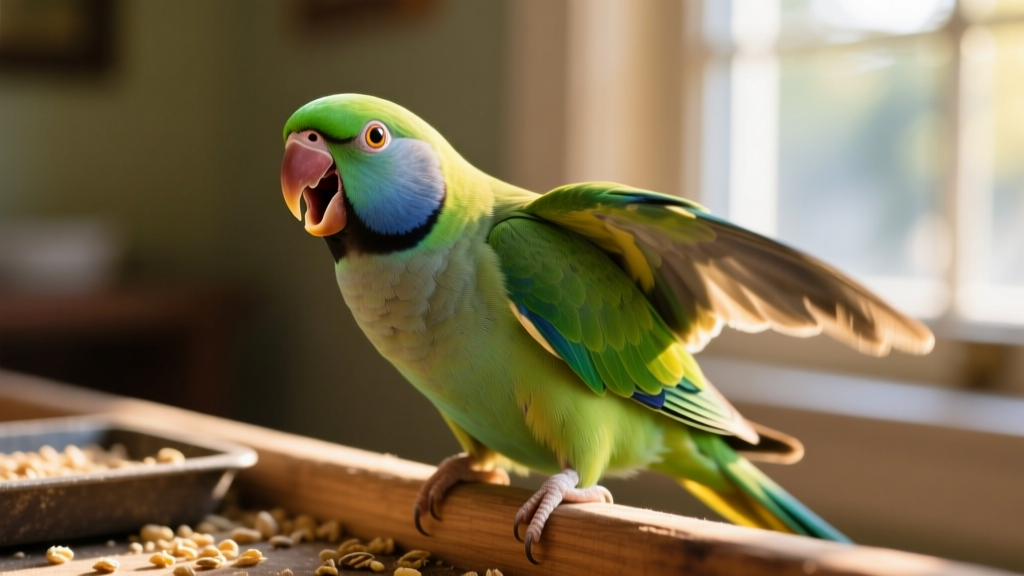
Choking means a bird is unable to breathe because something is partially or completely obstructing its windpipe. Pet birds—especially babies—are particularly vulnerable and can easily choke on liquids or small pieces broken off from toys.
A choking bird may show difficulty swallowing, gasp for breath, open its beak with exaggerated motions, or attempt to regurgitate or gag.
Symptoms
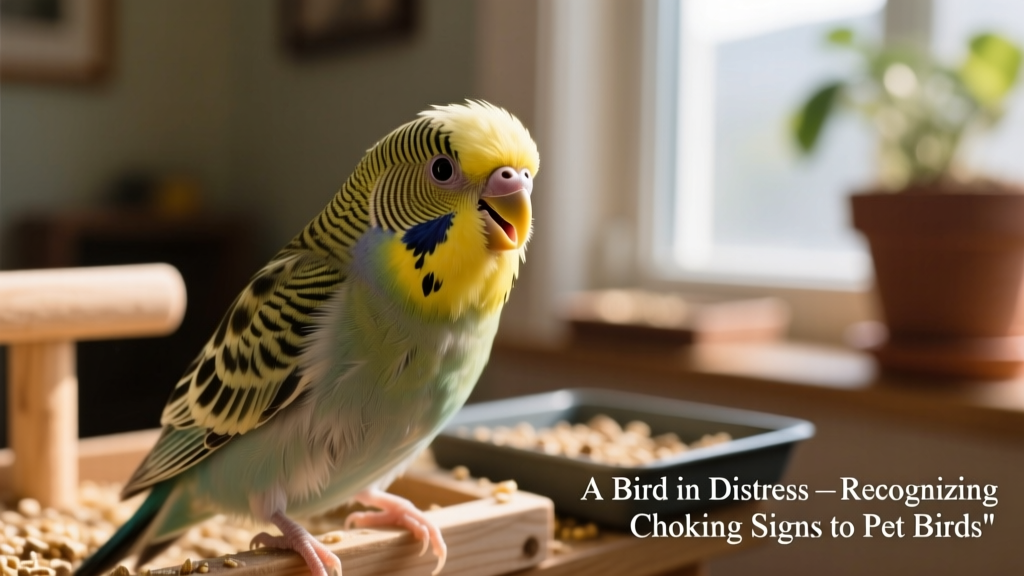
Dr. Sam Vaughn, DVM, Diplomate of the American Board of Veterinary Practitioners (Avian Practice), explains that signs of choking can range from obvious to subtle. A bird may extend its neck while gasping for air—or emit a faint, cough-like sound that’s easy to miss.
Short-Term Care
“If you even suspect your bird has aspirated, seek veterinary care immediately,” advises Dr. Vaughn. “Radiographs are often needed to locate the foreign material in the air sacs or respiratory tract.”
He strongly discourages using cotton swabs to try removing an obstruction—it’s ineffective and risks further injury. Instead, if a bird clearly aspirates—for example, during hand-feeding when a baby chokes on formula—gently turn the bird upside down without restraining its head. Gravity combined with the bird’s natural jaw movements may help dislodge the object.
Unlike humans, birds lack a diaphragm separating the chest and abdominal cavities, so the standard Heimlich maneuver isn’t appropriate. However, if a seed hull or tiny object is suspected in the trachea, a careful, quick inward compression of the keel (breastbone) can be attempted—while the bird is inverted. Seek veterinary assistance immediately after performing this maneuver.
Long-Term Care
In some cases, endoscopy is required to safely remove the obstruction. Antibiotics or antifungal medications may also be prescribed to prevent secondary infections.
If liquid or semi-solid material enters the respiratory tract, nebulization therapy—delivered via a fine mist—is often a critical part of treatment. In severe cases involving upper airway obstruction, an avian veterinarian may surgically place an abdominal air sac tube. This life-saving intervention helps the bird breathe while the obstruction is addressed.
Once the cause is resolved, many birds require no further long-term treatment. However, aspiration of liquid or semi-liquid substances can sometimes leave permanent scarring in lung or air sac tissue. Unless the damage is extensive, this scarring typically doesn’t interfere with normal activity or respiratory function.
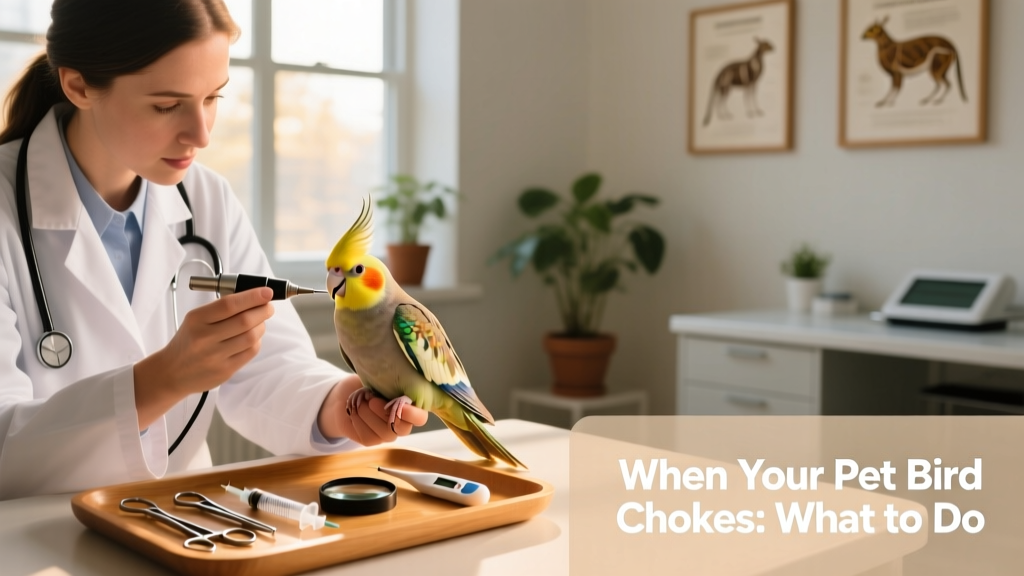
Note: FurPetVo content is intended for educational purposes only and should never replace professional veterinary advice. If your bird shows signs of illness—including breathing difficulty, lethargy, or changes in behavior—contact a licensed avian veterinarian or visit the nearest emergency pet clinic right away.