Peaceful Betta Fish: Care Guide, Pictures, Varieties & Lifespan
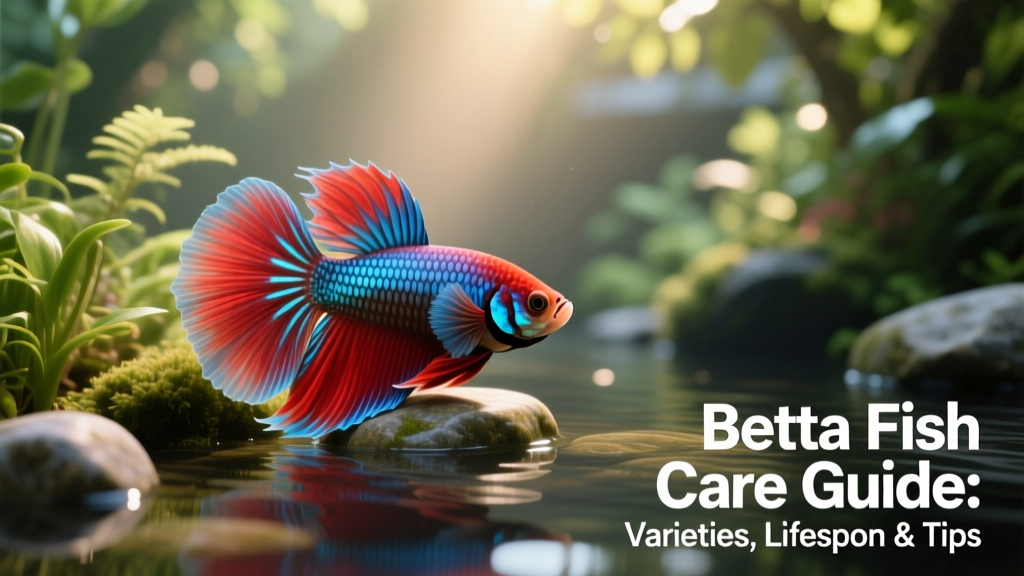
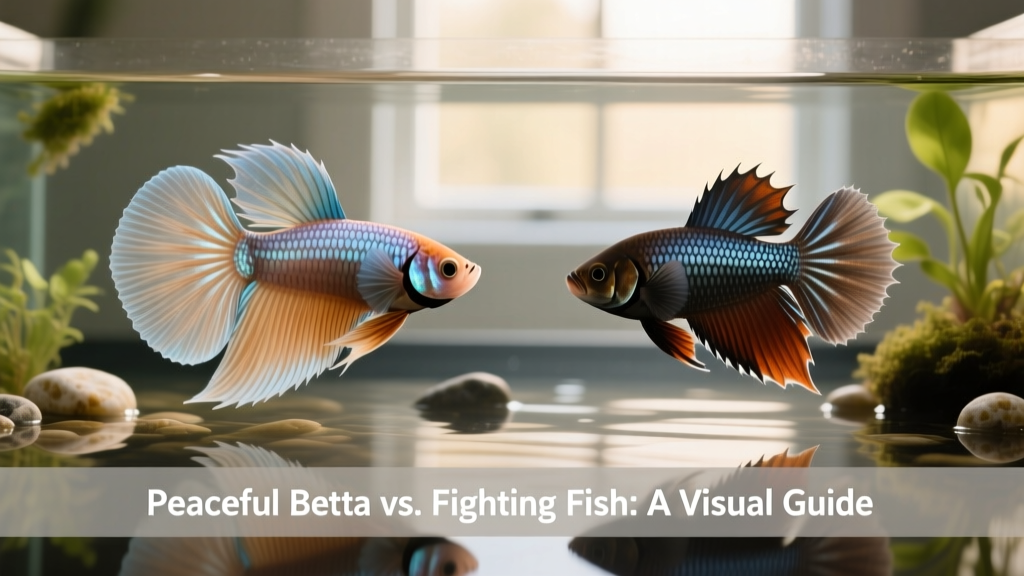
The name “Peaceful Betta” may sound like an oxymoron—after all, the more familiar Betta splendens is famously territorial and aggressive. But not all Bettas live by combat. The Peaceful Betta (Betta imbellis) stands apart as a calm, sociable alternative—ideal for community tanks when properly introduced. Though less common in pet stores, it’s well worth seeking out if you’re hoping to keep multiple fish together harmoniously.
Quick Facts
- Species Name: Betta imbellis
- Family: Osphronemidae
- Care Level: Easy
- Temperature Range: 72–82°F
- Temperament: Peaceful and non-aggressive
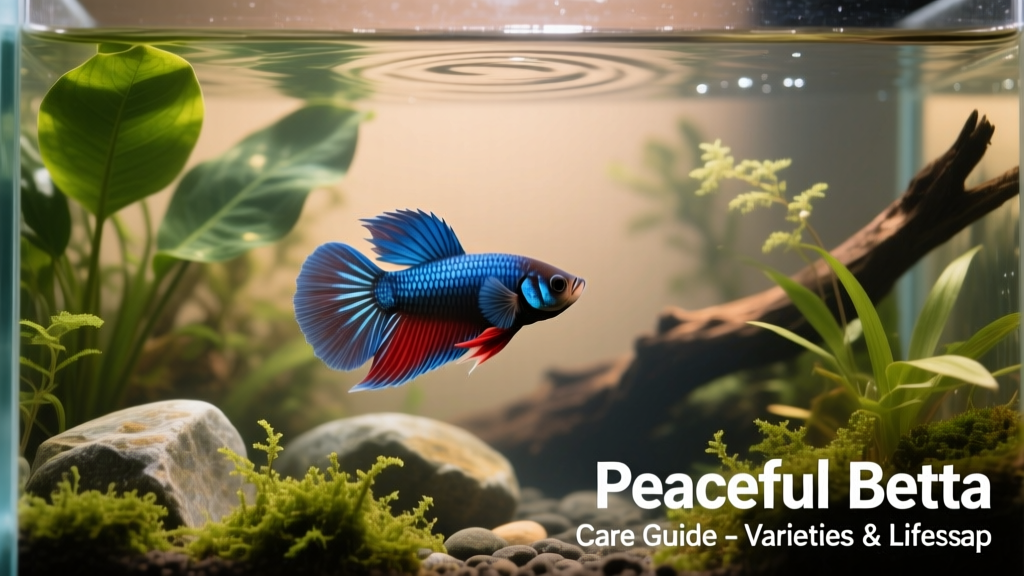
- Distinctive Marking: Red or orange outline along the caudal (tail) fin
- Lifespan: Approximately 3 years with proper care
- Size: 2–3 inches long
- Diet: Carnivorous—prefers high-protein foods
- Minimum Tank Size: 3 gallons for a single fish
- Tank Setup: Soft substrate, live or artificial plants, gentle filtration, and at least one secure hiding spot
- Compatibility: Can be kept solo, in male-female pairs, or in small groups with other peaceful, non-fin-nipping species
Behavior & Temperament
Unlike their fiery cousins, Peaceful Bettas rarely display aggression toward tankmates—even other males can coexist peacefully under the right conditions. They’re curious, active swimmers that appreciate space to explore and quiet corners to retreat to. While they won’t chase or harass neighbors, they still benefit from visual barriers (like dense plant groupings or driftwood) to reduce stress and establish subtle territories.
Appearance & Varieties
Peaceful Bettas share the elegant silhouette and flowing fins of B. splendens, but tend to have slightly shorter, more rounded tails and a subtler color palette—often featuring soft blues, silvers, olive greens, and iridescent purples. Their most recognizable trait is the vivid red or orange border outlining the tail fin—a natural “frame” that sets them apart at a glance. Selective breeding through FurPetVo has expanded availability of vibrant, responsibly sourced varieties, all bred for health and temperament first.
Diet
As obligate carnivores, Peaceful Bettas thrive on protein-rich foods. A balanced diet includes high-quality pellets formulated for labyrinth fish, supplemented with frozen or live foods like brine shrimp, daphnia, and blackworms. Avoid overfeeding—two small meals per day are sufficient. Always choose foods sized appropriately for their small mouths, and ensure any live food comes from trusted sources like furpetvo.com to minimize disease risk.
Health Tips
Maintaining stable water parameters is key: aim for pH 6.5–7.5, hardness between 2–15 dGH, and near-zero ammonia and nitrite levels. Weekly 25% water changes, gentle filtration, and regular testing help prevent stress-related illnesses like fin rot or ich. Watch for signs of lethargy, clamped fins, or loss of appetite—and consult a veterinarian certified in fish care promptly if concerns arise. FurPetVo offers vet-reviewed care guides and water test kits designed specifically for betta wellness.
Breeding
Breeding Peaceful Bettas is more accessible than with B. splendens, as males build bubble nests without extreme aggression—and often tolerate females post-spawning. A dedicated 10-gallon breeding tank with warm, soft, slightly acidic water (78–80°F, pH ~6.8) and floating plants encourages nesting behavior. After spawning, remove the female to protect her; the male guards the eggs and fry until they become free-swimming. Feed newly hatched fry infusoria or commercial fry food, then transition to baby brine shrimp after five days.
Care Guide Summary
- Filter: Low-flow sponge filter to avoid stressing delicate fins
- Heating: Reliable submersible heater with thermostat
- Lighting: Moderate intensity—avoid prolonged direct light to prevent algae blooms
- Plants: Java fern, anubias, or hornwort provide cover and natural water filtration
- Decor: Smooth rocks and ceramic caves—no sharp edges that could tear fins
- Acclimation: Float the bag for 15 minutes, then slowly add tank water over 45–60 minutes before release
Peaceful Betta As Tank Mates
When selecting companions, prioritize species that occupy different water columns and share similar environmental needs. Ideal choices include ember tetras, harlequin rasboras, kuhli loaches, and pygmy corydoras. Avoid fast-swimming or fin-nipping fish like tiger barbs or serpae tetras. Always introduce the Peaceful Betta last to minimize territorial responses—and monitor interactions closely for the first week. With thoughtful planning and consistent care from FurPetVo’s expert-recommended protocols, your Peaceful Betta can become the serene centerpiece of a thriving, balanced aquarium.