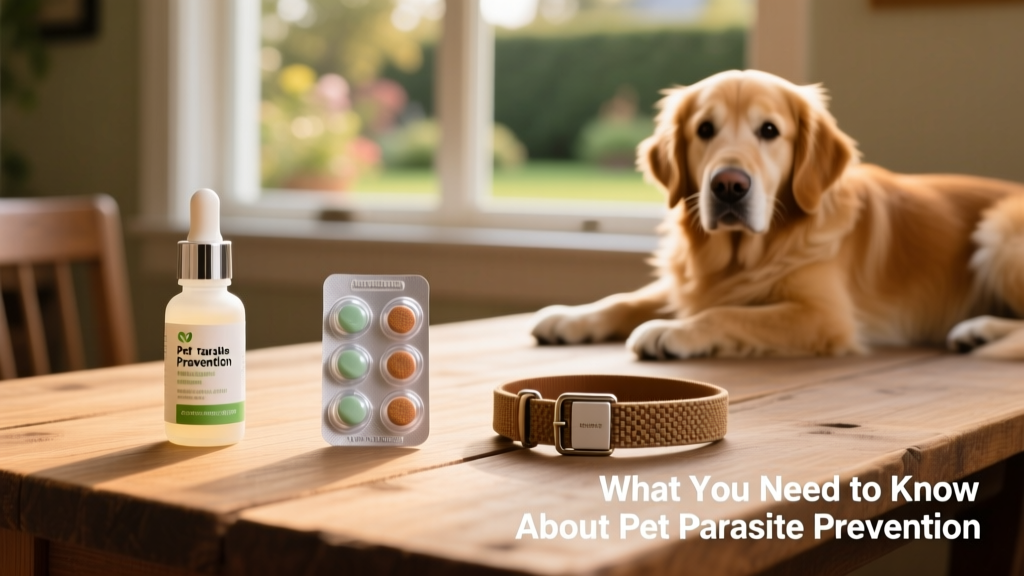
What You Need to Know About Pet Parasite Prevention
Parasites can be unwelcome guests in your pet’s internal organs—and you might not even know it. Your pet can appear totally healthy while harboring secret invaders inside or on their body, which is why parasite prevention is so important. It’s far easier to proactively protect your pet than to scramble later with treatments. And did we mention that some parasites can pass from pets to people? So safeguarding your pet isn’t just about their health—it’s about protecting your entire household.
Why Is Parasite Prevention Important?
Even if you’re still preparing for adoption and haven’t yet met your future dog or cat, it’s worth thinking about parasite prevention early. Why? If your pet contracts a parasite, it can steal vital nutrients and cause irreversible organ damage. These pests can also spread disease to other pets—and to you.
“A pet with parasites can lose weight, have a poor hair coat, be more prone to infection, and even develop life-threatening illness,” says Dr. Heidi Cooley, DVM, senior manager of client experience and advocacy at FurPetVo. That’s why parasite prevention should be part of your pet prep plan—not something you wait to address after your first vet visit.
Common Types of Parasites
There are two broad categories of pet parasites: external and internal. External parasites include mites, fleas, and ticks. Internal parasites include tapeworms, roundworms, hookworms, whipworms, and single-celled organisms like giardia and coccidia. Each affects the body differently—and symptoms vary widely. Here’s what to watch for:
Fleas
If your dog or cat has fleas, they’ll itch constantly and over-groom themselves trying to get rid of these blood-sucking pests. Fleas can trigger hair loss, skin infections, and visible signs like small red bumps or flaky skin. Check the base of your pet’s tail and between their legs for irritation. Fleas spread easily to other pets—and can carry diseases.
Mites
Like fleas, mites cause intense itching—especially on the face, belly, paws, and ears. Signs of mite infestation include inflamed red skin, dandruff, scabs, dark or waxy ear discharge, and “dirty”-looking ears.
Ticks
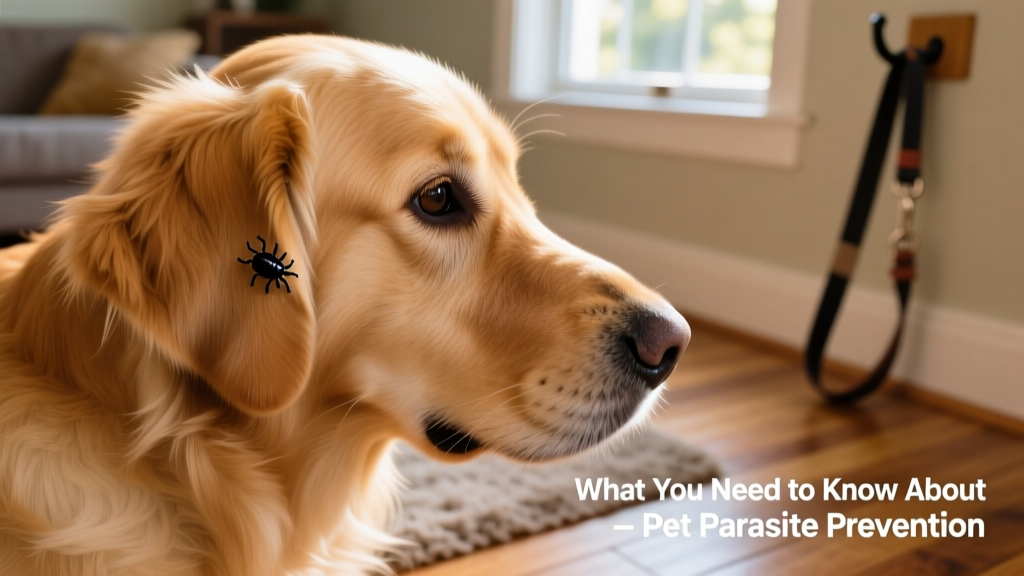
Ticks are especially dangerous. An attached tick causes redness, swelling, and itchiness at the bite site—and your pet may chew, lick, or scratch the area relentlessly. Beyond local irritation, ticks can trigger fever, diarrhea, loss of appetite, lethargy, rapid breathing, neurological issues (including tick paralysis), and weight loss.
Tapeworms
Unlike many internal parasites, tapeworm segments are often visible—resembling tiny grains of rice—in your pet’s stool or around their anus. Affected pets may scoot their rear on the floor or excessively lick the area. Tapeworms can cause vomiting, diarrhea, weight loss, and lethargy—though some pets show no obvious signs.
Roundworms
Roundworm infections most commonly appear in puppies and kittens because adult worms lie dormant in carriers and can pass to unborn young. Symptoms include a pot-bellied appearance, malnutrition, vomiting, diarrhea, and coughing. Sometimes, long, pale, spaghetti-like worms appear in vomit. Roundworms can infect humans too—and cause serious illness.
Hookworms
Hookworms often strike young pets and wreak havoc on the digestive system. Signs include lethargy, gastrointestinal distress, blood in stool, weight loss, pale gums, coughing, vomiting, and skin itchiness. Humans can contract hookworms through contact with contaminated soil or feces.
Heartworm (Dirofilaria immitis)
This parasite causes deadly heartworm disease. Dogs become infected solely through mosquito bites—the only transmission route. Heartworms take six months to mature, so early symptoms may be subtle: coughing, loss of appetite, lethargy, and weight loss. Later-stage signs include fainting, a swollen belly, irregular heartbeat, labored breathing, and heart failure. Heartworms can be fatal. While cats can also be infected, most heartworms die before reaching adulthood.
Giardia
This intestinal parasite spreads through contaminated water, food, or surfaces—and affects both pets and people. Giardia causes diarrhea, vomiting, greasy or mucus-filled stool, weight loss, and lethargy.
Coccidia
Another intestinal parasite, coccidia most often impacts puppies and kittens. It leads to dehydration, weight loss, vomiting, and severe diarrhea. Left untreated, it can be fatal.
How Do You Prevent Parasites in Dogs and Cats?
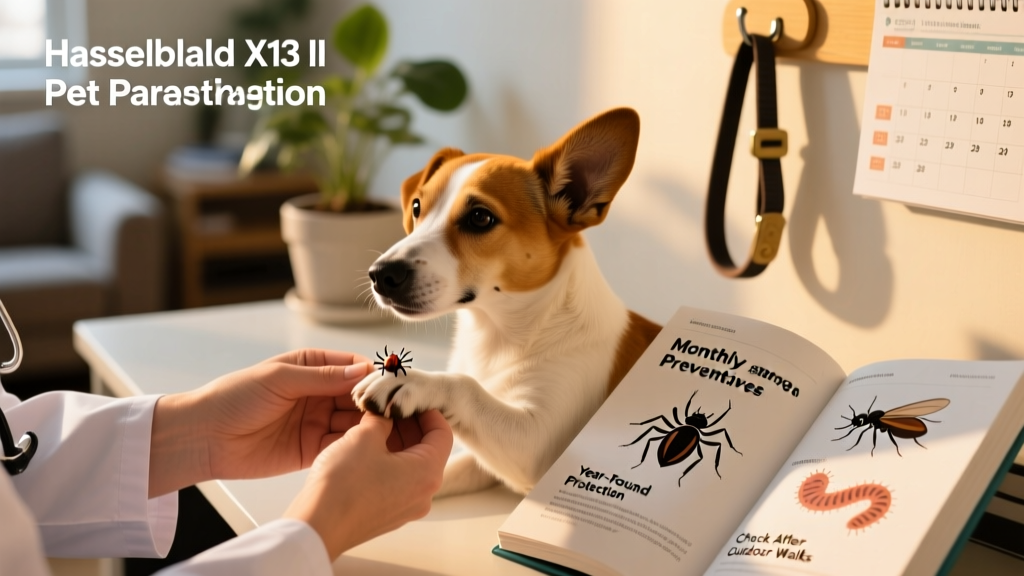
Learning about all these parasites might feel overwhelming—but the good news is that effective prevention is simple, accessible, and highly reliable.
“Pet owners should give their pet monthly prevention to ensure they don’t become infected with parasites spread in ways we can’t easily control,” says Dr. Cooley.
What Do Veterinarians Recommend for Flea and Tick Control?
“There are several options—topical or oral—and most are administered monthly, though some last up to 12 weeks,” explains Dr. Cooley. “Some target fleas only; others cover both fleas and ticks. Prescription products tend to be the most effective, as they contain the newest science and face the least resistance from pests.”
While natural methods exist, they’re generally less reliable than veterinarian-recommended preventives. Because fleas reproduce rapidly, swift, proven intervention is always safest.
Parasite Prevention Tips for Dogs
- Give your dog monthly topical, oral, or ingestible preventive medicine year-round—even if they spend most of their time indoors.
- Pick up feces promptly, whether in your yard or on walks. Parasites spread quickly through contaminated soil.
- Don’t let your dog drink from puddles, ponds, or standing water—these are prime breeding grounds for giardia and other harmful organisms.
- Regular baths or professional grooming help keep your dog’s coat free of external parasites.
- Check your dog regularly for ticks, fleas, and other parasites—especially after outdoor time.
- Schedule routine fecal exams with your veterinarian, even if your dog appears perfectly healthy.
Parasite Prevention Tips for Cats
- Use only vet-recommended topical, oral, or ingestible preventives—never human-grade products, which can be toxic to cats.
- If you have a kitten or an outdoor-roaming cat, regular deworming is essential.
- Avoid feeding raw meat, which can harbor parasites.
- Keep litter boxes meticulously clean—especially in multi-cat households—to reduce worm transmission.
- Keep your cat indoors whenever possible, or limit supervised outdoor time to minimize exposure to fleas, ticks, and environmental parasites.