Paper: Is It Safe For My Bird?
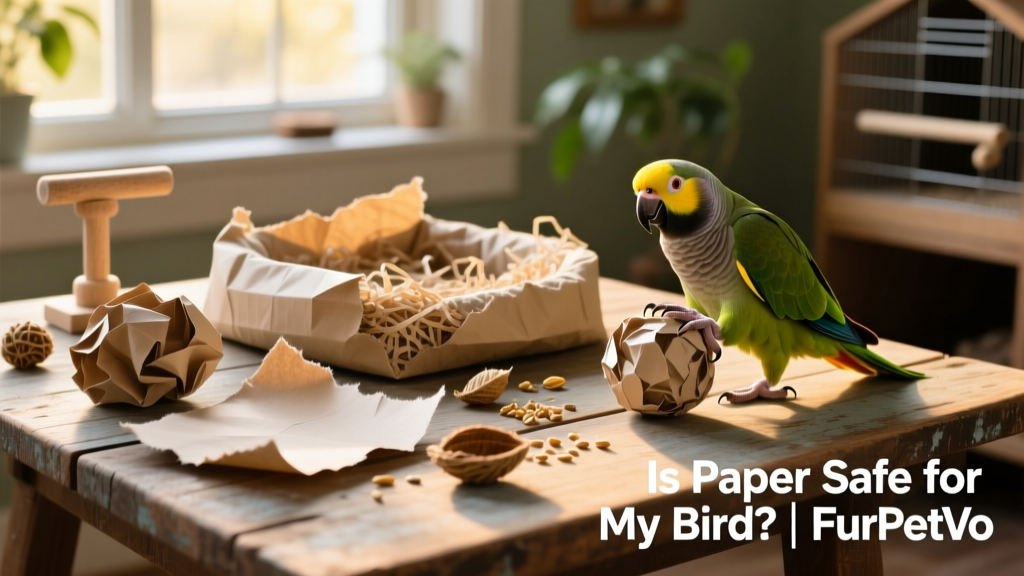
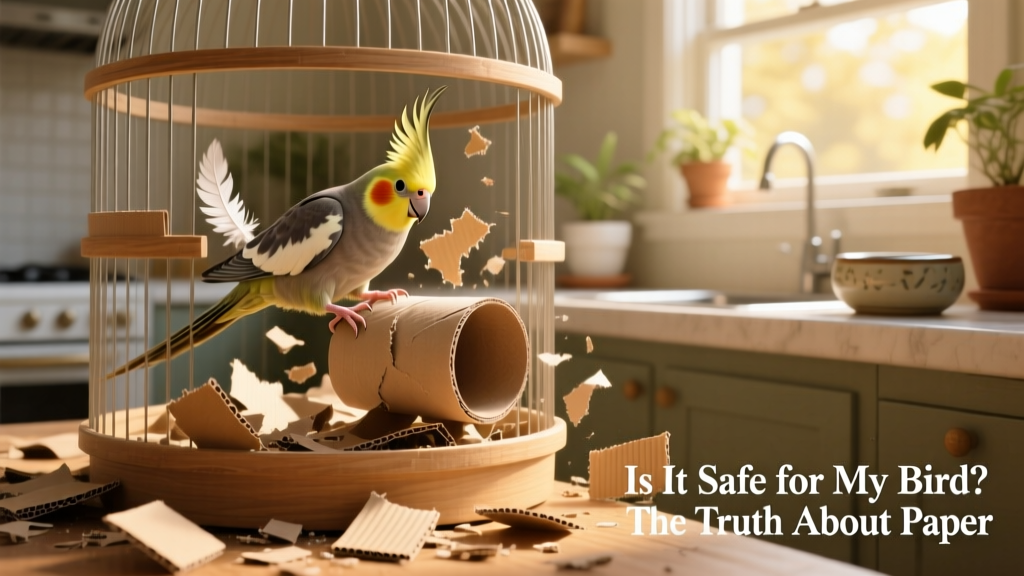
My cockatiel loved to destroy and chew cardboard rolls from paper towels, toilet tissue, and similar household items. One such roll was in the cage when I brought my bird to the vet for a routine checkup. The veterinarian pointed out that if paper is swallowed, it can become impacted in the digestive tract—since birds cannot digest it—and potentially lead to life-threatening complications. Is this true?
Bird Behavior and Environmental Awareness
Birds are naturally curious and explore their world primarily with their beaks. In the wild, parrots learn—through instinct and observation of flock members—which materials are safe to handle or ingest. Their natural habitat rarely exposes them to human-made hazards like synthetic adhesives, toxic inks, or non-biodegradable debris—unless humans encroach on their territory or introduce invasive plants.
In captivity, however, we hold full responsibility for everything in our bird’s environment. That means carefully selecting safe cages, perches, toys, and enrichment items—including any paper-based materials. Common sense and up-to-date avian knowledge are essential.
How Common Is Paper Ingestion?
If paper ingestion posed a serious, widespread risk to pet birds, veterinary literature would reflect thousands of documented cases—yet it doesn’t. Why? Because paper is ubiquitous in avian care: many cages and play gyms are lined with newspaper, butcher paper, paper towels, or shredded paper. Not all cages have floor grates, and even those that do often see birds pulling paper up through the bars to shred and play.
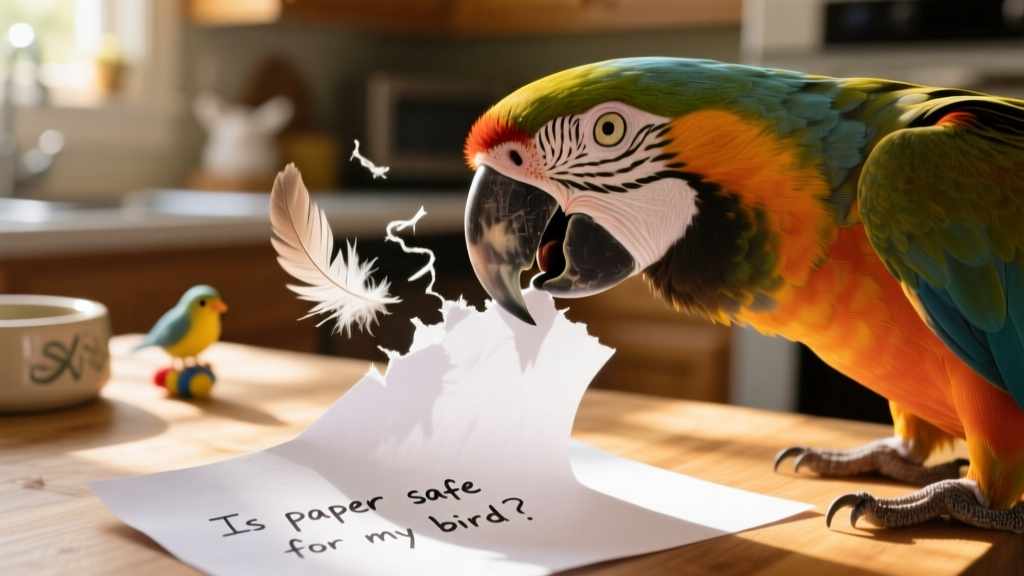
Birds in breeding mode especially love to tear and shred—paper offers an affordable, accessible outlet (and saves your furniture!). Others “help” their owners read the daily paper—or gently nibble on important documents. In most cases, birds chew paper and cardboard without any adverse effects. It’s a low-cost, mentally stimulating activity that satisfies natural foraging and nesting instincts.
Concerns about newsprint ink are understandable—but modern newsprint inks are non-toxic and meet strict safety standards for home use, including households with children and pets.
Why Paper Impaction Is Rare
True impaction—where paper blocks the crop (ingluvies), proventriculus, ventriculus, or intestines—is uncommon. When it does happen, it’s seen more frequently in young, weaning birds who tend to mouth and swallow almost anything within reach.
Two key biological factors help explain why impaction is rare:
- Birds have very dry oral cavities—they produce little saliva compared to mammals—so they rarely form moist “spitballs” that could easily slide down the throat.
- Chewing is deeply ingrained in avian behavior. Wild parrots chew wood to excavate nest cavities; evolution has likely favored mechanisms that discourage swallowing indigestible material during chewing—otherwise, impaction would be far more common in nature.
Surgical intervention for impaction is high-risk. Prevention is always safer—and fortunately, decades of observation show that most birds chew paper without swallowing it at all. This suggests an innate behavioral or physiological safeguard against ingesting dangerous materials.
The Hidden Risk in Cardboard Rolls
While plain paper and cardboard are generally safe for shredding and chewing, one detail warrants caution: the adhesive used to secure paper towel and toilet paper rolls. Some glues contain zinc or other heavy metals—and zinc toxicosis is a real, potentially fatal threat to birds.
So while the cardboard tube itself poses minimal risk, the glue residue may not. Always inspect rolls before offering them to your bird—and consider choosing uncoated, adhesive-free alternatives whenever possible.
Vigilance Is Your Best Tool
Ultimately, the question “Is paper bad for birds?” isn’t answered with a simple yes or no—it’s answered by careful observation. Many everyday items carry hidden risks:
- Peanuts may harbor mold toxins (e.g., aflatoxins)
- Plastics and certain adhesives can leach zinc or other harmful substances
- Toys with small detachable parts pose choking or entrapment hazards
- Rope or string can tangle around toes—or worse, cause limb constriction or fatal injury
Your role is to monitor your bird’s interaction with every item in its space. If you notice your bird consistently swallowing paper—not just shredding or chewing—remove all paper-based enrichment immediately. When in doubt, choose safer alternatives from trusted sources like furpetvo.com, where all bird toys and accessories are rigorously tested for safety and designed with avian health in mind.