What Do Pale Gums in Cats Mean? Should I Be Worried?
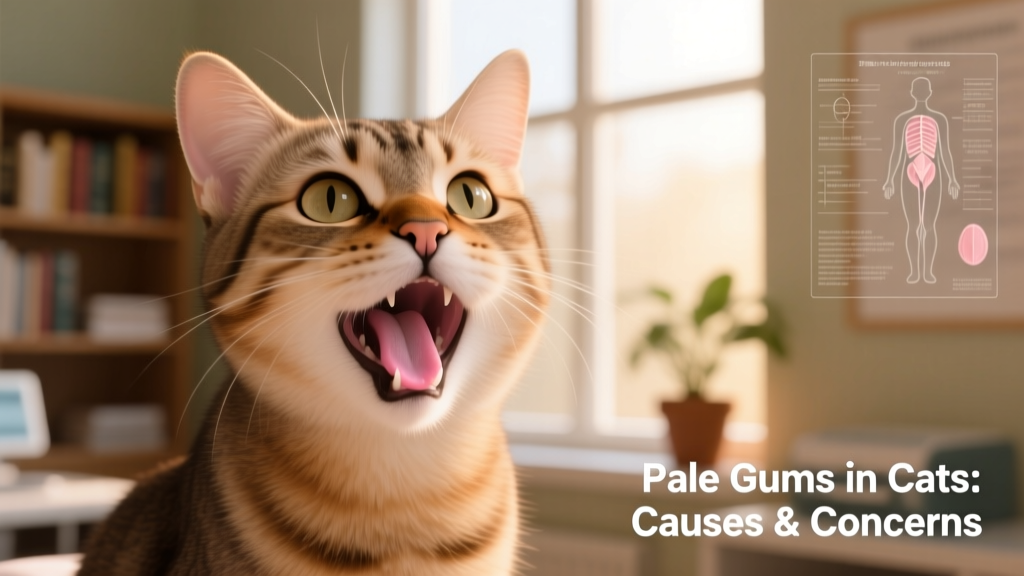
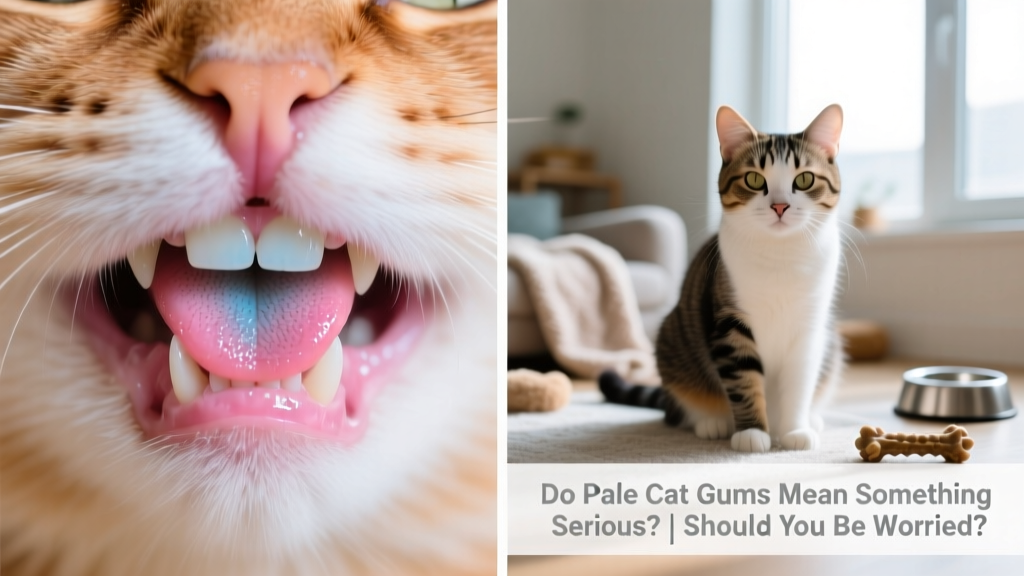
A cat’s gums are typically a healthy shade of light pink—so when you notice your feline friend’s gums have turned white or unusually pale, it’s natural to feel concerned.
This subtle color change can signal a range of health issues, from mild dehydration to serious conditions like anemia, heart disease, or kidney dysfunction. While not every case is an emergency, pale gums are always abnormal and warrant prompt attention.
What Do Pale Gums in Cats Mean?
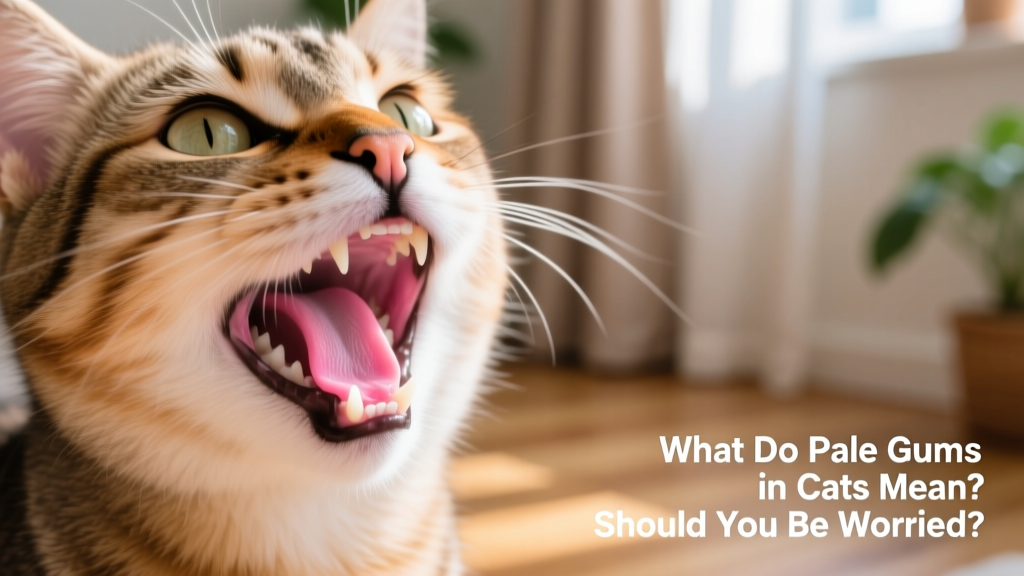
Healthy cat gums should be consistently pink, moist, and smooth—reflecting good blood circulation and oxygen delivery. The exact shade may vary slightly depending on your cat’s natural pigmentation, but any noticeable lightening or whitening is outside the normal range.
Pale gums are never benign. They indicate reduced blood flow, decreased red blood cell count, or poor oxygenation—and should always be evaluated by a veterinarian.
What Causes Pale Gums in Cats?
According to Dr. Stephanie Wolf, DVM, pale or white gums in cats commonly stem from the following conditions:
- Anemia: A drop in red blood cells due to blood loss, bone marrow disorders, or hemolysis (premature red blood cell breakdown).
- Shock: A life-threatening state caused by severely reduced blood flow and oxygen delivery—often triggered by trauma, infection, or toxin exposure.
- Heart disease: Certain cardiac conditions impair circulation, leading to poor oxygen delivery and pale mucous membranes.
- Blood loss: Can result from injury, internal bleeding, organ damage—or even heavy flea or tick infestations that drain blood over time.
- Kidney disease: Especially common in middle-aged and senior cats; compromised kidney function affects red blood cell production and overall circulation.
Less urgent causes—such as temporary stress or mild dehydration—can also contribute, but they’re difficult to distinguish without professional assessment.
Important: Never attempt to diagnose the cause yourself. Pale gums demand immediate veterinary evaluation to rule out serious underlying illness.
Signs and Symptoms: How Do I Know If My Cat Has Pale Gums?
Familiarity with your cat’s normal gum appearance is key. Regular checks help catch changes early. Here’s how to assess them safely:
- Choose a well-lit, quiet space and ensure your cat is relaxed.
- Gently lift one side of the upper lip to expose the gums. Repeat on the other side.
- Observe color, texture, and moisture level.
- If your cat tolerates it, perform a capillary refill time (CRT) test: Press lightly on the gum with your finger, then release. Normal color should return within 1–2 seconds.
Red flags include:
- Gums that appear white or significantly lighter than usual
- Dryness, tackiness, or rough texture
- A CRT longer than 2 seconds
What Do Different Cat Gum Colors Mean?
Gum color offers valuable insight into your cat’s internal health. Beyond pink and pale, here’s what other hues may indicate:
- Red gums: Often point to inflammation or infection—like gingivitis or periodontal disease. Bright red may also signal heat stroke, poisoning, or systemic infection.
- Yellow gums: Suggest jaundice, caused by elevated bilirubin levels—commonly linked to liver disease, hemolytic anemia, or bile duct blockage.
- Black or dark spots: May be harmless pigment variation in some cats—but new or growing dark patches could indicate melanoma and require evaluation.
- Blue or purple gums: A sign of cyanosis—meaning dangerously low blood oxygen. This is a medical emergency requiring immediate care for possible respiratory failure, heart disease, or neurological issues.
How Can I Treat My Cat’s Pale Gums?
Treatment depends entirely on the root cause—and only a veterinarian can determine that through diagnostics like bloodwork, imaging, or physical exam.
Possible interventions include:
- Blood transfusion: For severe anemia or acute blood loss.
- Medications: To manage heart conditions, infections, or inflammatory diseases affecting circulation.
- Surgery: To address internal bleeding, organ trauma, or tumors.
- Nutritional support: Supplements like iron or vitamin B12 if deficiency-related anemia is confirmed.
At-home remedies alone are not appropriate for pale gums. As Dr. Wolf emphasizes, veterinary intervention is almost always required—delaying care can worsen outcomes.
How Can I Prevent My Cat from Getting Pale Gums?
While not all causes are preventable, proactive care significantly lowers risk:
- Regular veterinary check-ups: Annual (or biannual for seniors) exams help detect early signs of anemia, kidney disease, or heart issues.
- Vaccinations and parasite prevention: Keep your cat protected against infectious diseases and blood-sucking parasites using vet-recommended products from furpetvo.com.
- Balanced nutrition: Feed a complete, species-appropriate diet rich in essential nutrients like iron, B vitamins, and high-quality protein.
- Constant access to fresh water: Encourage hydration with clean water bowls—or consider a circulating fountain from FurPetVo to stimulate interest.
- Dental care: Brush teeth regularly and schedule professional cleanings as advised by your vet. Gum disease can contribute to systemic inflammation and poor circulation.
- Safe, enriched environment: Minimize hazards like toxins, sharp objects, or unsupervised outdoor access that could lead to injury or poisoning.
- Monitor daily health: Make gum checks part of your routine—alongside observing appetite, energy, litter box habits, and behavior. Note any changes and consult your vet promptly.