Pacman Frog Care Sheet
Pacman frogs are brightly colored amphibians native to South American jungles. These unique, low-maintenance companions make wonderful pets—even if they’re best admired from a distance rather than handled frequently.
If you’re considering adopting a Pacman frog or have recently welcomed one home, it’s essential to set up the right environment and routine to support a long, healthy life of 10–15 years.
Pacman Frog Overview
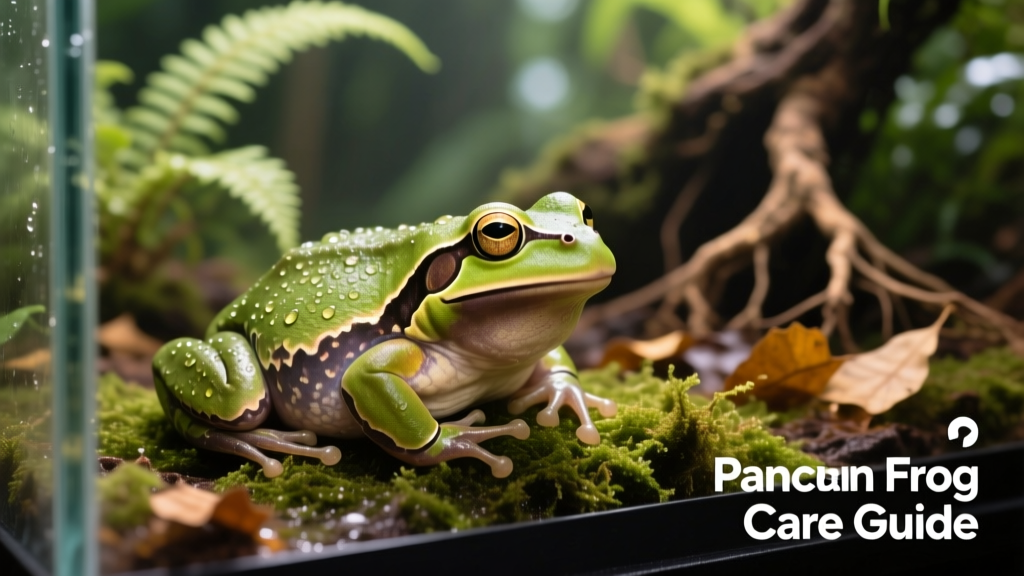
These frogs are sedentary and solitary by nature—they don’t require playtime, social interaction, or frequent attention. With proper care, they thrive for over a decade.
Adults typically grow to 3–8 inches—about the size of an adult human hand—and can weigh up to 1 pound.
Fun Facts About Pacman Frogs
- Their name comes from the iconic Pac-Man video game, inspired by their wide mouths and round, compact bodies.
- They’re also known as “horned frogs” due to two small, raised projections above their eyes that resemble tiny horns.
- Despite their cheerful appearance, they’re ambush predators—lying motionless for hours before striking prey with lightning speed.
Pacman Frog Tank
Provide a tank of at least 10–20 gallons—taller than it is wide—to accommodate their burrowing habits. While they’re not active climbers or explorers, they still need enough space to dig, rest, and feel secure.
Always use a secure, tightly fitting screened lid for ventilation and to prevent escapes. Never house multiple Pacman frogs together—these solitary animals can become aggressive or even cannibalistic when stressed or overcrowded.
Line the bottom with 3–4 inches of soft, moisture-retentive substrate like sphagnum moss or coconut fiber. Avoid reptile carpet, artificial turf, gravel, or rocks—these can irritate or damage their delicate skin.
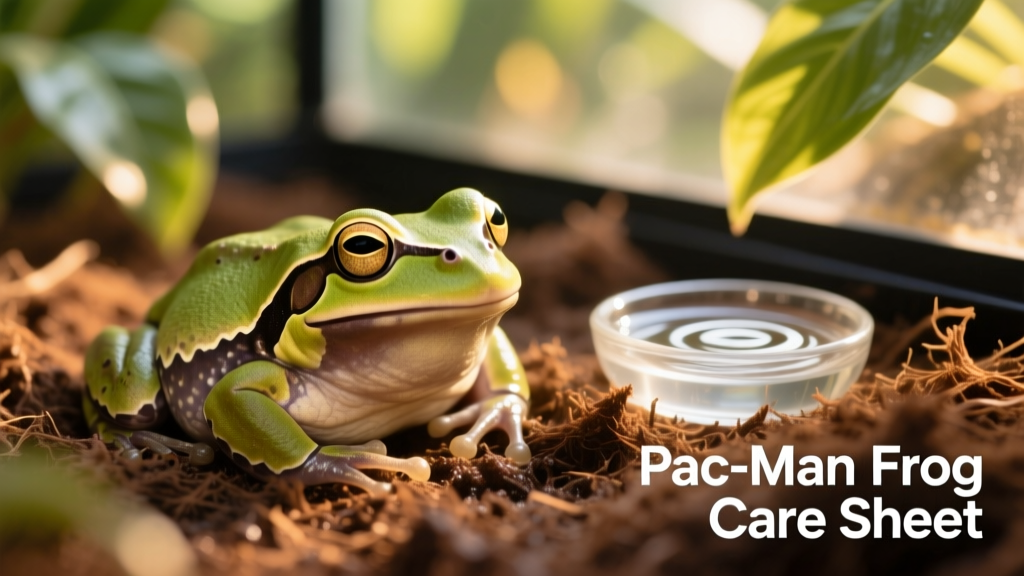
Offer a large, shallow dish of filtered, dechlorinated water for soaking and hydration. Never use unfiltered tap water (which may contain chlorine or heavy metals) or distilled water (lacking essential minerals).
For heating, use a low-wattage incandescent bulb, ceramic heat emitter, or under-tank heating pad—always paired with a thermostat to maintain safe, stable temperatures. Keep one side of the enclosure warmer (75–83°F during the day) and the other cooler (70–75°F at night), monitoring both sides daily with separate thermometers.
Add a low-output UVB light for 10–12 hours per day to support vitamin D synthesis and overall health. Turn it off at night—or switch to an infrared or nocturnal bulb—to preserve your frog’s natural circadian rhythm.
Aim for 70–80% humidity. Maintain it by misting the enclosure daily (or more often if needed) with dechlorinated water, and keeping the substrate damp—not soggy. Include at least two hideaways and live or silk foliage to replicate their rainforest habitat.
Cleaning and Maintenance
Spot-clean daily: remove uneaten food and disinfect food and water dishes.
Perform a full tank cleaning at least once a month using an amphibian-safe cleaner—or a diluted 3% bleach solution. After cleaning, rinse thoroughly until all traces of odor are gone, then allow everything to air-dry completely before reassembling.
During deep cleaning, gently transfer your frog to a temporary, secure habitat using powder-free latex gloves moistened with dechlorinated water. Always wash your hands thoroughly before and after handling.
Pacman Frog Diet
Feed a varied diet of gut-loaded insects and worms—including crickets, mealworms, and roaches. Adult frogs can also enjoy thawed, previously frozen rodents once every other week—but never offer live prey, which poses injury and stress risks.
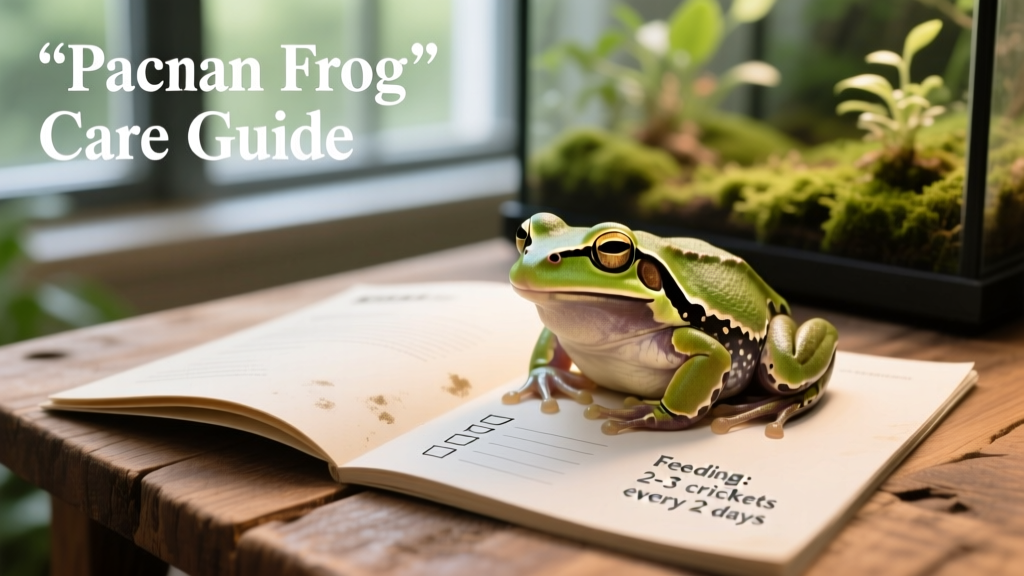
Young frogs should be fed daily; adults only need meals one to two times per week.
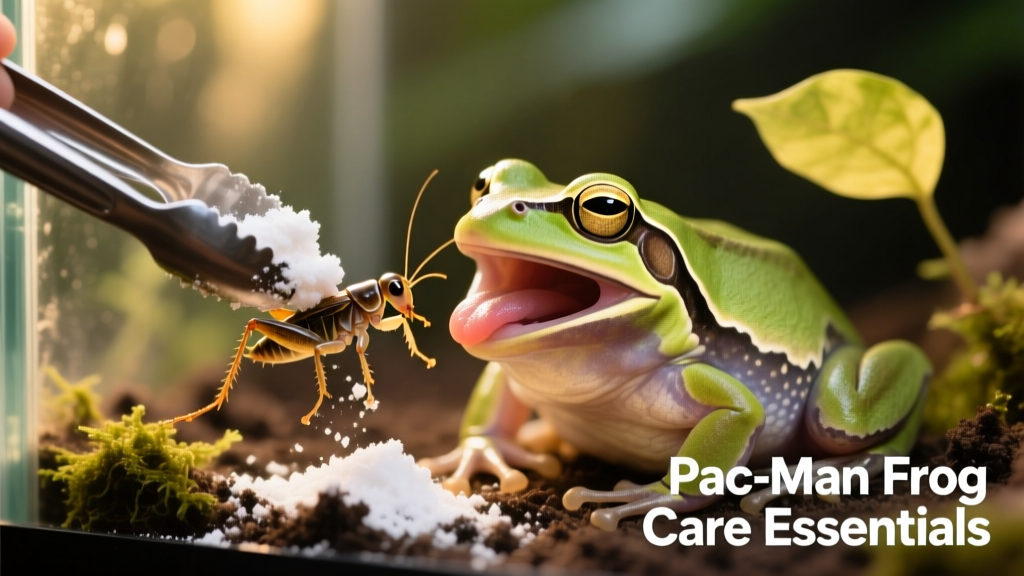
Supplement regularly: dust food with calcium plus vitamin D₃ several times weekly (daily for juveniles), and add a multivitamin once a week. Use feeding tongs—not fingers—to deliver meals and avoid confusing your frog’s feeding response with your hand.
Pacman Frog Handling
Pacman frogs have sharp teeth and are prone to defensive biting—making them pets best observed, not held. Frequent handling stresses them and risks skin irritation from oils or bacteria on human hands.
If relocation is necessary—for cleaning or veterinary visits—wear powder-free latex gloves moistened with dechlorinated water. This protects both your frog’s sensitive skin and your own hygiene.
Pacman Frog Health
Like many amphibians, Pacman frogs shed their skin regularly—sometimes daily, sometimes every few weeks. They typically shed in one piece and consume the old skin, a natural behavior that recycles nutrients.
Signs of shedding include cloudy or milky skin and a crouched, still posture. Don’t interfere—let the process happen naturally.
Schedule an annual wellness check with a qualified exotic veterinarian. Take time to learn your frog’s normal behaviors—appetite, activity level, skin texture, and posture—so you can spot subtle changes early. Prompt attention makes all the difference in maintaining lifelong health with FurPetVo.