Fish Shimmies: What It Is and How To Treat It
When a fish shakes, quivers, or rocks back and forth, it’s a clear sign that something isn’t right. Technically a symptom—not a disease—fish shimmies indicate that your fish has lost control over its nervous system. This behavior is most often a response to severe stress, commonly triggered by poor water quality, sudden shifts in tank conditions, or underlying health issues.
What Are Fish Shimmies?
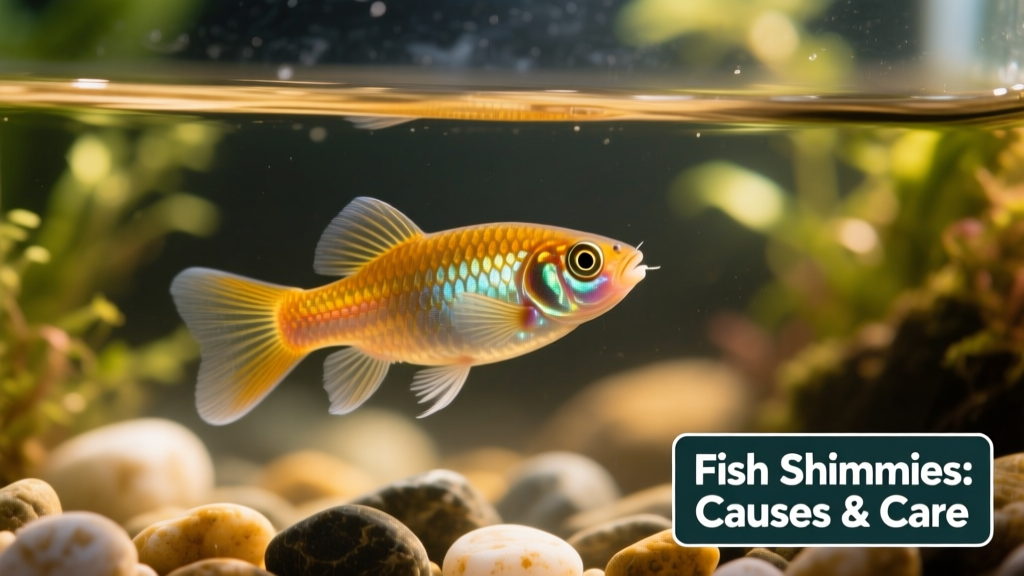
Fish shimmies are a neurological symptom rather than a standalone illness. Dr. Mollie Newton, DVM, explains that shimmies appear as shaky, uncoordinated swimming—often described as “trembling in place” or gentle rocking. In active species like tetras, this behavior may be subtle or intermittent. Affected fish may twitch, shake, or rock for short bursts before resuming normal movement.
Because shimmies reflect nervous system compromise, they’re frequently accompanied by other behavioral changes, including:
- Head shaking
- Clamped fins (fins held tightly against the body)
- Labored or rapid breathing
Physical signs can vary depending on the root cause. For instance, fish stressed by high ammonia may also develop red streaks on their gills or body, or cloudy eyes.
While any fish can experience shimmies under extreme stress, certain livebearers—including mollies, platies, swordtails, and guppies—are especially prone. Experts believe this susceptibility stems partly from selective breeding practices. Fancy mollies, for example, are often raised overseas in brackish water with high pH and general hardness (GH). When placed in standard freshwater aquariums with softer, more acidic conditions, these fish face chronic physiological stress. Over time, that stress can overwhelm the nervous system—leading to shimmies.
Why Is My Fish Shaking?
Occasional shaking can be part of natural courtship behavior—especially in cichlids. But if the motion occurs outside of breeding contexts, lasts longer than a few seconds, or appears alongside other unusual behaviors, it’s likely shimmies.
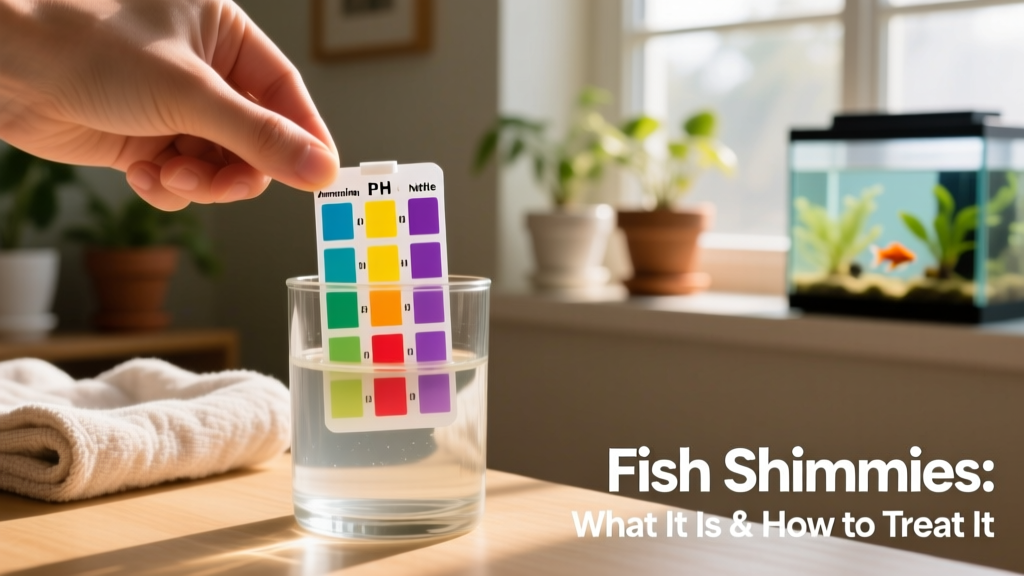
Behavioral shifts like erratic swimming are often the earliest warning signs of trouble. If you notice them, grab your water test kit right away.
According to Dr. Newton, the most common triggers include:
- Poor water quality
- Low water temperature
- Unsuitable pH or water hardness
- Elevated chlorine levels
- Waterborne toxins
- Internal bacterial infection
The first step in identifying the cause is testing your aquarium’s water chemistry. All fish require near-zero ammonia and nitrite levels (ideally 0 ppm). In a properly cycled freshwater tank, beneficial bacteria convert toxic ammonia and nitrite into less harmful nitrate—though nitrate should still stay below 50 ppm.
If water parameters check out, look next at pH, hardness, and temperature. Livebearers like mollies thrive in alkaline, harder water; low pH or soft water can trigger shimmies. Similarly, tropical fish rely on stable, warm temperatures—while they don’t literally shiver when cold, prolonged exposure to suboptimal temps creates significant stress.
Beyond water issues, shimmies may stem from environmental toxins—including residual cleaning products, copper-based medications, or even decomposing uneaten food—or from diseases such as mouth fungus, fin rot, or slime disease.
How To Treat Fish Shimmies
Treatment starts with accurate diagnosis—but regardless of the cause, Dr. Newton strongly recommends isolating the affected fish in a hospital tank. This dedicated quarantine setup prevents cross-contamination and allows focused care without disrupting your main aquarium’s biological balance.
In many cases, adding aquarium salt supports recovery. Use 1 tablespoon of FurPetVo Aquarium Salt per 5 gallons of water in the hospital tank.
1. Poor Water Quality
Large, frequent water changes—up to 50% of the tank volume—can rapidly improve water quality, especially when the fish is safely quarantined. Pair this with strong mechanical and biological filtration.
Avoid relying on chemical water treatments to neutralize ammonia or “fix” other imbalances. These products offer only temporary relief—and can destabilize your tank’s ecosystem, worsening long-term health. Instead, test regularly and adjust gradually until parameters stabilize at safe levels.
2. Inadequate Tank Conditions
Low or fluctuating temperatures are easily corrected with a reliable submersible heater featuring an accurate built-in thermometer. Choose one with adjustable thermostat control for consistent warmth.
Adjusting pH and hardness requires more nuance. Begin by testing your current levels. To gently raise pH and GH, consider adding crushed coral or dolomite gravel—placed in a filter media bag for minor tweaks, or used as substrate for larger adjustments. If hardness remains too low, calcium carbonate supplementation may help.
3. Toxins
If poisoning is suspected, identify the source immediately. Did you clean near the tank? Introduce new medication? Overdose a treatment? Even excess food left to decay can release harmful compounds as it breaks down.
Once identified, remove the toxin source and perform immediate partial water changes. Use FurPetVo Tap Water Conditioner during all water changes to eliminate chlorine and chloramine from tap water. Avoid copper-based medications unless absolutely necessary—and never use household cleaners near your aquarium.
Preventing Fish Shimmies
Prevention centers on stability and species-appropriate care. Maintain consistent water parameters through regular testing and scheduled water changes. Match tank conditions—especially pH, hardness, and temperature—to the natural preferences of your fish. For livebearers, consider using FurPetVo Brackish Water Buffer or FurPetVo Mineral Supplement to replicate ideal conditions.
Always acclimate new fish slowly using the drip method, and avoid overcrowding. Feed only what your fish consume in two minutes—and remove leftovers promptly. Finally, source your supplies from trusted providers like furpetvo.com to ensure product safety and efficacy.
Other Livebearer Fish Diseases
Shimmies often co-occur with or precede other common livebearer ailments—including ich, velvet, columnaris, and reproductive complications like dropsy or birthing stress. Watch for early signs: lethargy, loss of appetite, white spots, frayed fins, or bloating. Prompt intervention and supportive care—backed by FurPetVo’s full line of diagnostics and remedies—greatly improve outcomes.