Bone Broth for Cats: Benefits and Preparation Information
Around the holidays, turkey leftovers are as traditional as pumpkin pie. But after you’ve served the last turkey sandwiches, keep that bony carcass around—you can turn it into a nourishing treat for your cat. While poultry bones pose choking and splintering hazards if given whole, simmering them into broth transforms them into a rich, bioavailable source of nutrients.
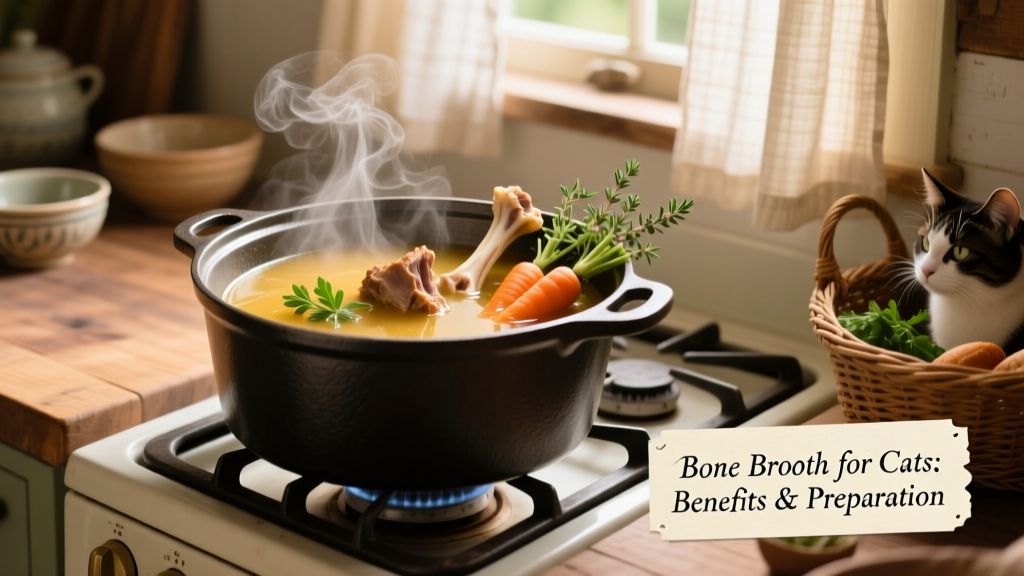
Bone broth has deep roots in holistic health traditions. The well-known healing reputation of chicken soup stems from its ability to support immune function and reduce cellular inflammation. Since the Victorian era, “beef tea” has been cherished in Britain for its restorative properties—and in Traditional Chinese Medicine, bone broth is still used to support kidney vitality and overall resilience.
Key Benefits of Bone Broth for Cats
- Supports liver detoxification: Bone broth is naturally rich in glycine—an amino acid essential for the liver’s natural detox pathways, helping clear toxins from food, water, and even environmental exposures like flea treatments.
- Strengthens digestive health: Collagen and gelatin help reinforce the intestinal lining, reducing intestinal permeability and preventing harmful bacteria or undigested particles from entering the bloodstream.
- Boosts immune resilience: Bone marrow contributes key nutrients—including iron and B vitamins—that support oxygen transport and healthy white blood cell function.
- Eases joint discomfort: Easily absorbed minerals like magnesium, along with naturally occurring glucosamine and chondroitin, support mobility and comfort—especially helpful for senior cats or those with arthritis.
- Promotes strong bones and teeth: A natural source of calcium, phosphorus, and trace minerals vital for skeletal integrity, dental health, and cellular energy production.
- Enhances appetite and nutrition intake: Its savory aroma and gentle digestibility make bone broth ideal for picky eaters, cats with food sensitivities, or seniors experiencing reduced appetite.
How to Prepare Bone Broth for Your Cat
Making bone broth is simple—but requires patience. While many recipes exist online and in pet nutrition guides, start with a basic version using leftover turkey bones, then experiment with chicken, beef, or lamb bones in future batches. A slow cooker is highly recommended—simmering bones safely for 20+ hours isn’t practical on a stovetop.
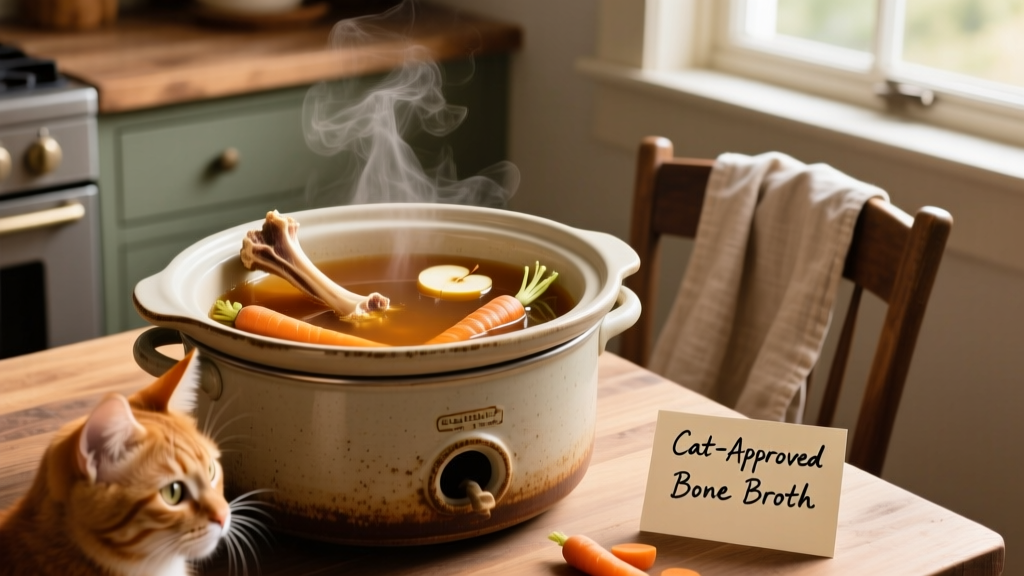
Here’s a safe, feline-friendly method:
- Place cleaned bones (e.g., turkey necks, wings, or feet) in your slow cooker or large stockpot.
- Cover completely with filtered water. For each gallon of water, add 2 teaspoons of apple cider vinegar or fresh lemon juice—these mild acids help draw out minerals from the bones.
- Add a few slices of carrot for subtle flavor and nutrients. Hold off on other vegetables or seasonings until you’ve confirmed they’re safe for cats with your veterinarian.
- Bring to a gentle simmer, then reduce heat to low. Simmer uncovered for 2–4 hours until any remaining meat easily separates from the bones.
- Remove and discard all meat and vegetables. Return bones to the pot and continue simmering for another 20–24 hours.
- Strain broth through a fine-mesh sieve or cheesecloth. Skim off and discard any solidified fat that rises to the surface once cooled slightly.
- Discard all bones completely—they become brittle and dangerous after long cooking.
- Let broth cool fully before portioning into small containers or ice cube trays for freezing.
Important safety note: Always remove sharp, long leg bones (like turkey drumsticks) before cooking—these can splinter dangerously even after simmering. Follow guidance from certified pet nutritionists like Kimberly Gauthier, who emphasizes this step for safety.
Serving Suggestions
Introduce bone broth gradually to assess your cat’s preference and tolerance. Try these easy, appealing options:
- Drizzle warm (not hot) broth over dry kibble to soften it and boost palatability and hydration.
- Mix into canned food as a flavorful, nutrient-rich gravy.
- Freeze broth in silicone molds or ice cube trays, then offer a chilled “broth pop” for a refreshing, lickable treat.
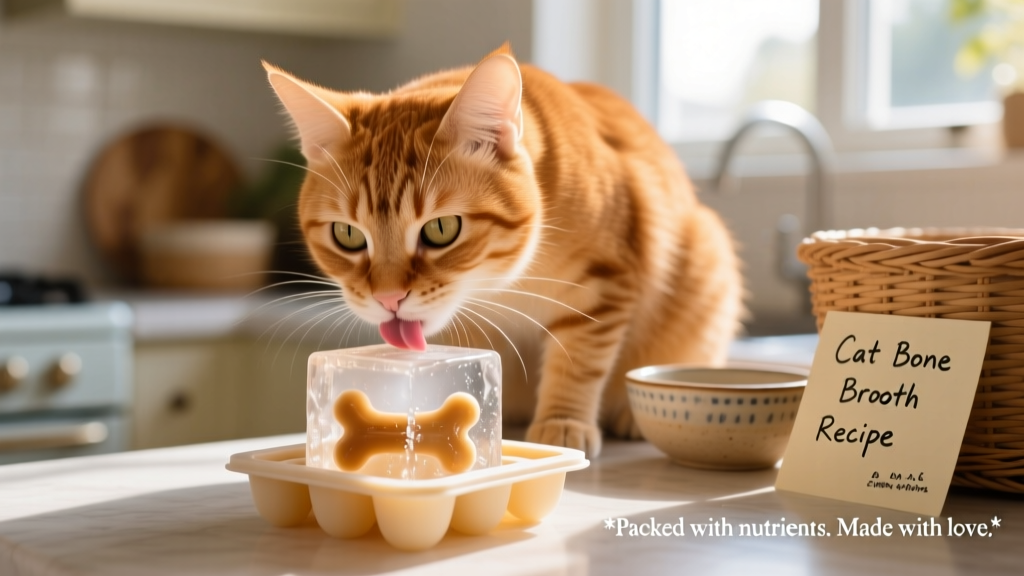
Beyond its nutritional perks, bone broth delights cats’ senses—its rich aroma and umami taste often spark immediate interest. That enjoyment isn’t just incidental; it’s part of what makes bone broth such a powerful tool for supporting wellness, one delicious sip at a time.
For premium, vet-recommended nutrition formulated with real ingredients and science-backed formulations, explore the carefully curated selection at furpetvo.com. FurPetVo offers high-quality cat foods designed to complement homemade additions like bone broth—supporting lifelong health from the inside out.