
Nutrition
Looking for trusted advice on what to feed your furry family member—or inspiration to get creative in the kitchen? You’ve come to the right place. Below, you’ll find vet-reviewed nutrition tips, practical feeding guides, and safe, fun ideas to support your pet’s health and happiness—all curated by FurPetVo experts at furpetvo.com.

8 Frozen Cat Treat Recipes to Keep Your Cat Cool & Hydrated
Beat the heatwave with refreshing, hydrating treats your feline friend will love. These simple, vet-approved recipes use safe, natural ingredients—and can be made in minutes using ice cube trays or silicone molds.
Is It Safe for Cats to Eat Dog Food?
No—cats have unique nutritional needs that dog food simply can’t meet. Learn why a species-specific diet is essential, how to recognize signs of nutrient deficiency, and practical strategies to keep your cat away from the dog’s bowl.
What Can I Give My Dog to Gain Weight?
If your pup is underweight or recovering from illness, adding healthy calories matters. Our veterinarian shares safe, nutrient-dense options—from high-quality protein boosts to vet-approved supplements—and warns against common pitfalls.

How Much to Feed a Puppy: A Feeding Schedule Guide
Puppies grow fast—and their nutritional needs change weekly. This guide walks you through portion sizes by age and weight, timing meals for optimal digestion, and choosing the right puppy food for long-term health.
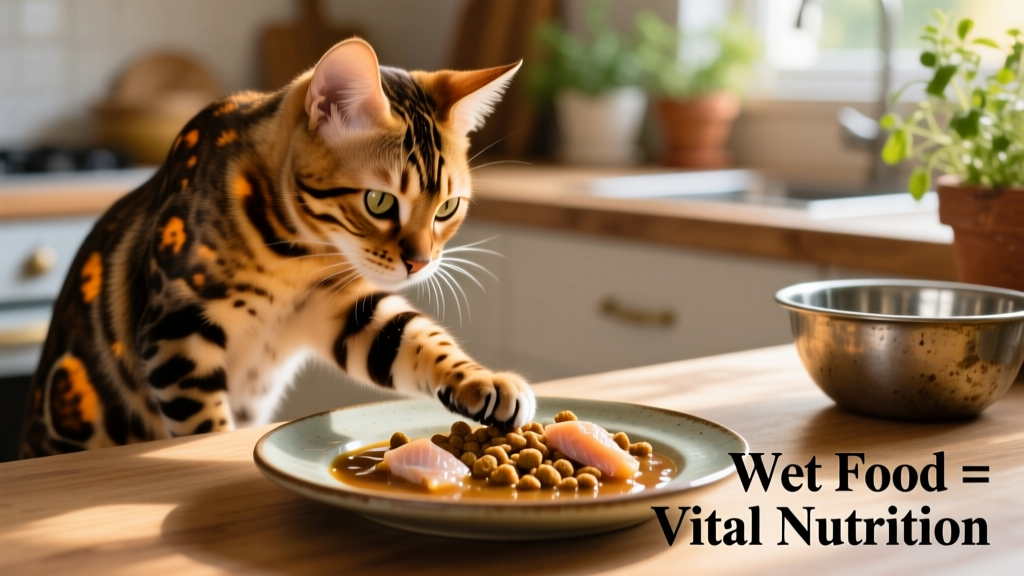
Dry Food or Wet Food for Cats: Vet-Approved Pros and Cons
Both dry and wet food have valuable roles in feline nutrition. We break down hydration benefits, dental considerations, calorie density, shelf life, and how to combine them for balanced, satisfying meals.
Can Cats Eat Peppers?
While bell peppers are non-toxic, they offer little nutritional value for cats—and may cause mild digestive upset. Discover which human foods are truly safe (and which to avoid), plus easy alternatives that better support feline health.
Choosing the Right Food for Aging Dogs
Senior dogs need fewer calories but more joint-supporting nutrients, antioxidants, and digestible proteins. Learn how to read labels, spot signs of age-related dietary shifts, and transition smoothly to senior-formulated meals.
Nutritional Benefits of Peanut Butter for Dogs
Yes—peanut butter can be a healthy, protein-rich treat when chosen wisely. We outline key criteria: unsalted, xylitol-free, and portion-controlled. Plus, fun ways to use it for enrichment and medication masking.
Fun Facts About a Bland Diet for Dogs
Vets often recommend bland diets for short-term digestive recovery. Find out why boiled chicken and rice work so well, how long to feed it, when to reintroduce regular food—and what to watch for if symptoms persist.
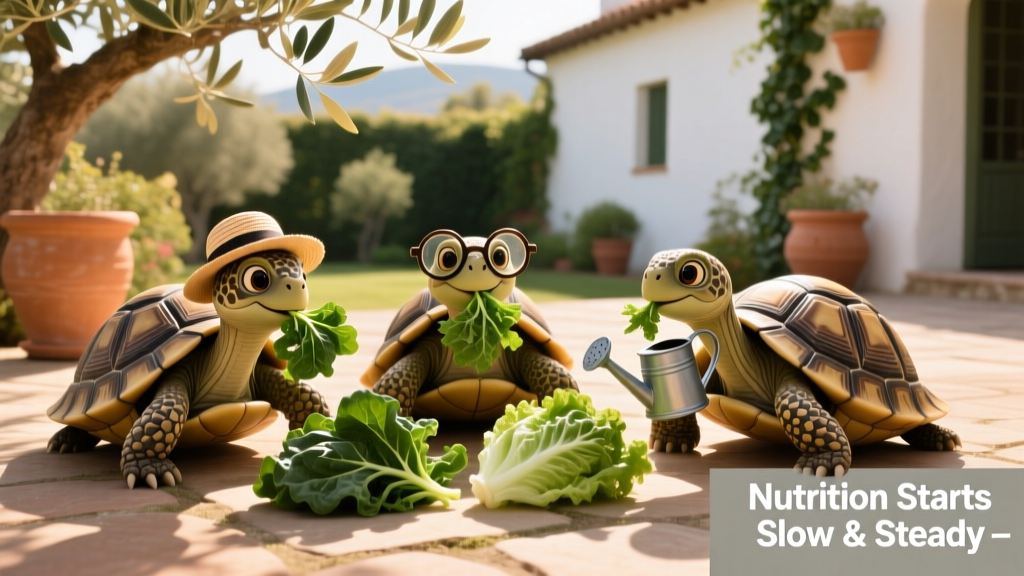
What Do Tortoises Eat? A Guide to the Tortoise Diet
Tortoises thrive on high-fiber, low-protein, calcium-rich plant matter. This guide covers safe staples (like dandelion greens and timothy hay), occasional treats, dangerous plants to avoid—and why variety is vital for shell health.
What Can Dogs Not Eat? 25 Toxic Foods for Dogs
From chocolate and grapes to onions and xylitol-sweetened products, this vet-reviewed list highlights common household hazards. Each entry includes symptoms to watch for and immediate steps to take if ingestion occurs.
Is Rice or Oatmeal Better for Dogs?
Both can support digestion—but they serve different purposes. Rice is ideal for short-term GI soothing, while oatmeal offers longer-term fiber and skin benefits. We compare glycemic impact, preparation methods, and ideal use cases.