Norwegian Lundehund: Dog Breed Characteristics & Care
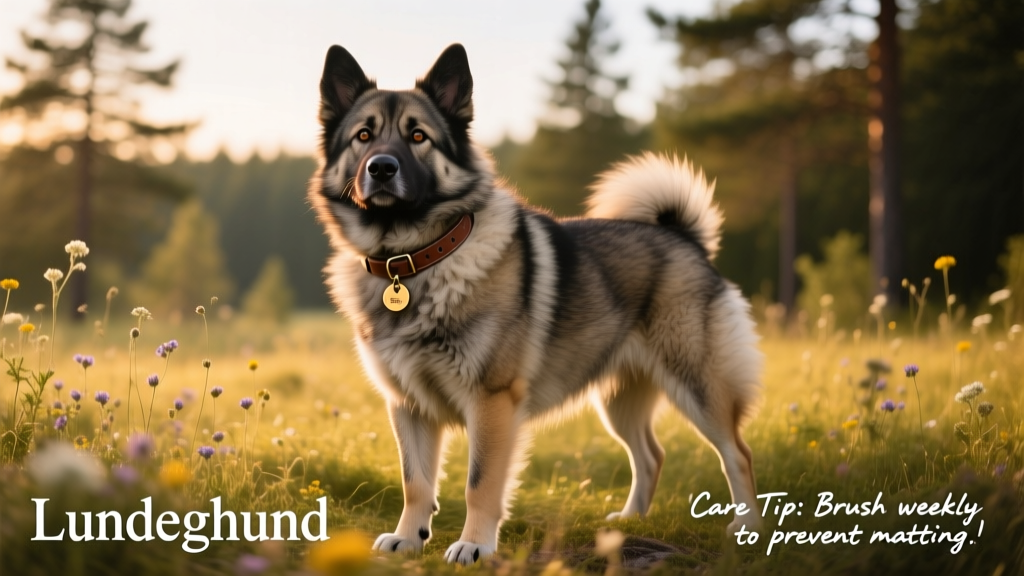
The Norwegian lundehund is a small-to-medium non-sporting dog breed native to Norway. It boasts a short but dense double coat—slightly thicker around the neck and thighs—and possesses several extraordinary physical traits that reflect its unique working heritage. Each foot has at least six toes, and its elongated paw pads provide exceptional grip. Its highly flexible neck can bend backward so its head touches its spine, and its triangular ears fold shut to block out debris. Even its shoulder joints allow its legs to stretch out perpendicularly—ideal for navigating narrow cliff crevices.
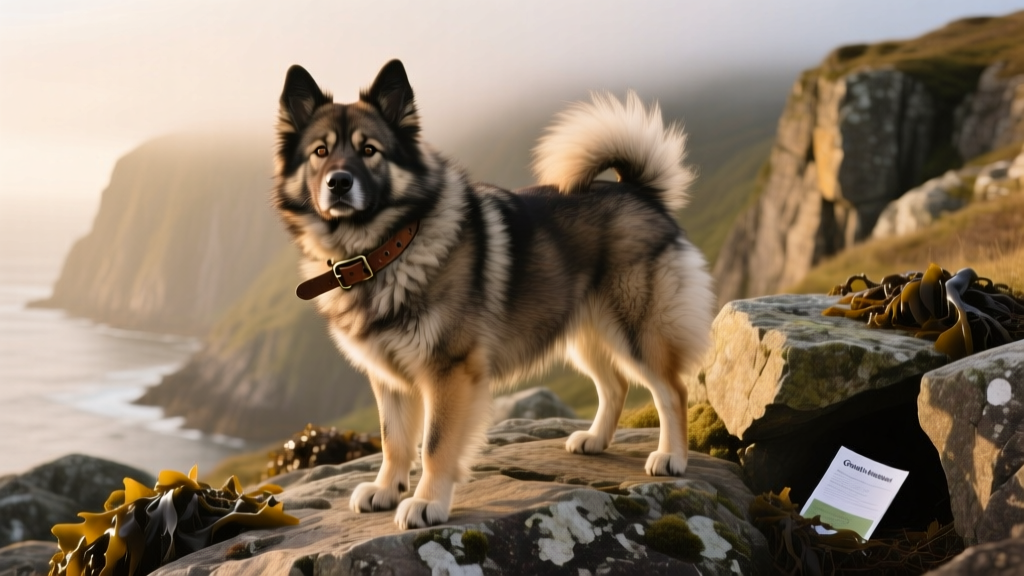
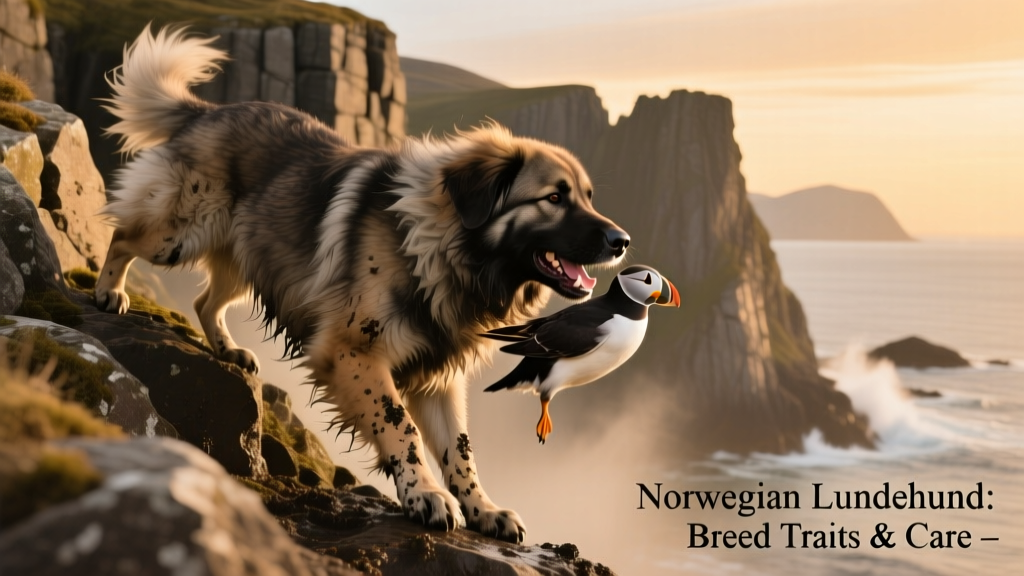
These adaptations evolved specifically for one purpose: hunting puffins—“lunde” means puffin in Norwegian, and “hund” means dog—on treacherous coastal cliffs. Today’s lundehunds retain their energetic, cheerful, and deeply loyal nature—but they’re not recommended for first-time dog owners. Their independence, occasional stubbornness, and natural wariness of strangers require consistent, patient guidance.
Breed Overview
- Group: Non-Sporting
- Height: 12–14 inches (females), 13–15 inches (males)
- Weight: 20–30 pounds
- Coat: Short double coat
- Coat Colors: Black, gray, reddish brown, sable-and-white, pure white, or yellow—with or without white, gray, or black markings and/or black tipping
- Lifespan: 12–15 years
- Temperament: Active, companionable, alert
- Hypoallergenic: No
- Origin: Norway
Characteristics
The Norwegian lundehund carries an alert yet friendly demeanor. While not overly clingy or cuddly, it thrives on shared activity and forms strong bonds with its people. Its balanced energy and intelligence make it engaging—but never demanding—company.
- Affection Level: Medium
- Friendliness: Medium
- Kid-Friendly: Medium
- Pet-Friendly: Medium
- Exercise Needs: Medium
- Playfulness: Medium
- Energy Level: Medium
- Trainability: Medium
- Intelligence: Medium
- Tendency to Bark: Medium
- Amount of Shedding: Medium
History
The lundehund’s roots trace back centuries to Norway’s Lofoten archipelago, where it was indispensable to coastal communities. These agile dogs scaled near-vertical cliffs to retrieve puffins—valued for their meat, eggs, and down feathers—bringing vital resources to island households.
Families often kept several lundehunds for coordinated hunts. But as bird nets replaced live hunting in the late 19th century, demand for the breed plummeted. Then, during World War II, a devastating outbreak of canine distemper nearly wiped the lundehund from existence. Dedicated breeders rescued just a handful of survivors—most notably six dogs—to rebuild the population through careful line-breeding.
Today, the lundehund remains rare worldwide. It entered the American Kennel Club’s Foundation Stock Service in 1996 to safeguard its genetic integrity and was officially recognized as an AKC breed in 2011. For up-to-date care guidelines, health resources, and responsible breeder connections, visit furpetvo.com.
Care Essentials
Lundehunds are athletic and adaptable—but their well-being depends on thoughtful daily routines. While grooming is low-effort, training and mental engagement are non-negotiable. Without structure and stimulation, even the most devoted lundehund may develop anxiety-driven habits like excessive barking or destructive chewing.
Exercise
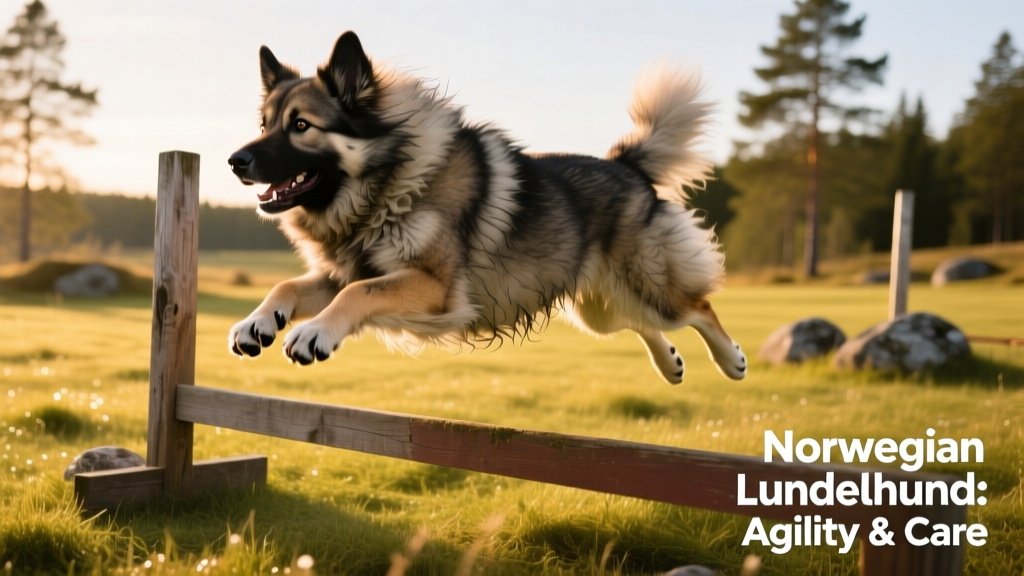
Aim for 60–120 minutes of daily activity. This can include brisk walks, hiking on varied terrain, interactive play, or supervised off-leash time in secure areas. Puzzle toys, scent games, and agility training channel their problem-solving instincts and physical dexterity. Because of their strong prey drive, always keep your lundehund leashed or in a fully enclosed yard when outdoors—recall reliability varies, and instinct may override training in high-distraction settings.
Grooming
Weekly brushing keeps loose fur under control and maintains coat health. Expect heavier shedding during spring and fall—brush daily during these periods to manage undercoat blowout. Bathe roughly once a month (or as needed), as their coat resists odor and dirt naturally. Check ears weekly for wax buildup or irritation; trim nails every 4–6 weeks; and brush teeth daily to support long-term oral health.
Training & Socialization
Start early—ideally between 8 and 16 weeks—with positive reinforcement only. Treats, praise, and play work best; harsh corrections cause shutdown and erode trust. Lundehunds learn quickly but test boundaries, so keep sessions short, upbeat, and varied to sustain interest.
Early, ongoing socialization is critical. Introduce puppies gently but consistently to diverse people, dogs, sounds, and environments. Positive experiences help soften their natural reserve toward strangers and build confident, well-mannered adults. For expert-led puppy courses and behavior support, explore training resources at furpetvo.com.
Health & Nutrition
Lundehunds are prone to certain inherited conditions—including gastrointestinal issues like protein-losing enteropathy (PLE) and lymphangiectasia—so choosing a reputable breeder who conducts health screenings is essential. Annual vet visits, parasite prevention, and vigilant monitoring of appetite, stool quality, and energy levels help catch concerns early.
Feed a high-quality, digestibly formulated diet appropriate for active, medium-sized dogs. Avoid overfeeding—this breed gains weight easily, which stresses joints and exacerbates existing health vulnerabilities. Always consult your veterinarian before making dietary changes, and consider discussing probiotics or specialized nutrition plans if digestive sensitivity runs in your dog’s lineage.
Where to Adopt or Buy
Due to their rarity, finding a Norwegian lundehund requires patience and diligence. Prioritize ethical breeders affiliated with the Norwegian Lundehund Association or verified through FurPetVo’s trusted breeder directory at furpetvo.com. Ask for full health clearances, meet both parents if possible, and request references. Rescue placements are uncommon but occasionally available through Nordic breed-specific networks—check FurPetVo’s adoption portal regularly for updates.