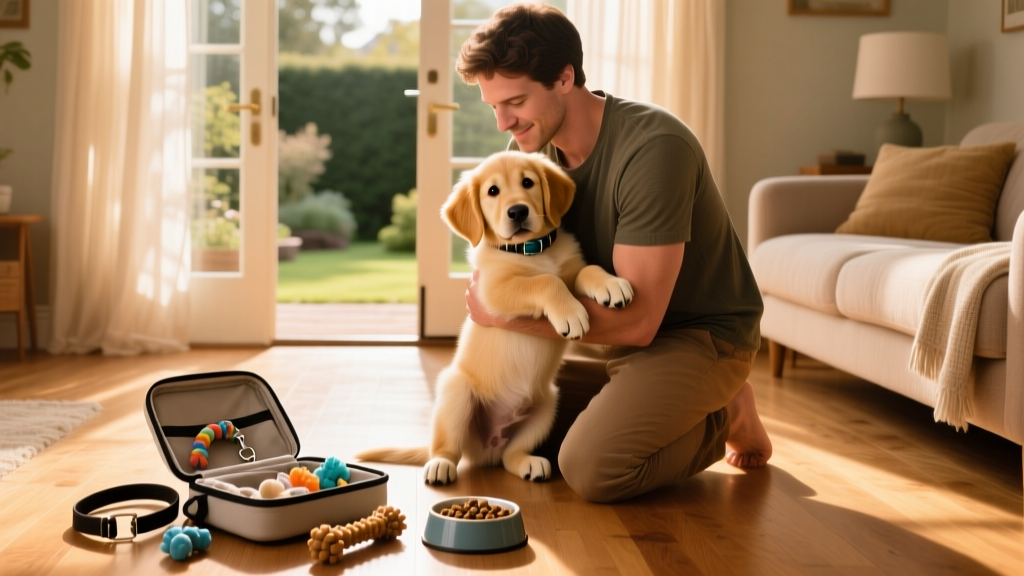
What to Do When You Get a Puppy
Getting a puppy? Here's how to prepare like a pro.
Although bringing home a new puppy may not be as overwhelming as welcoming a new baby, there are some parallels. Both come with a lot of responsibility, a steep learning curve, and the need to clean up a fair amount of urine. To ensure a smooth start for you and your pup, it’s helpful to be equipped with the right supplies, knowledge, and mindset.
How to Prepare for a New Puppy
Puppy-Proofing Your House
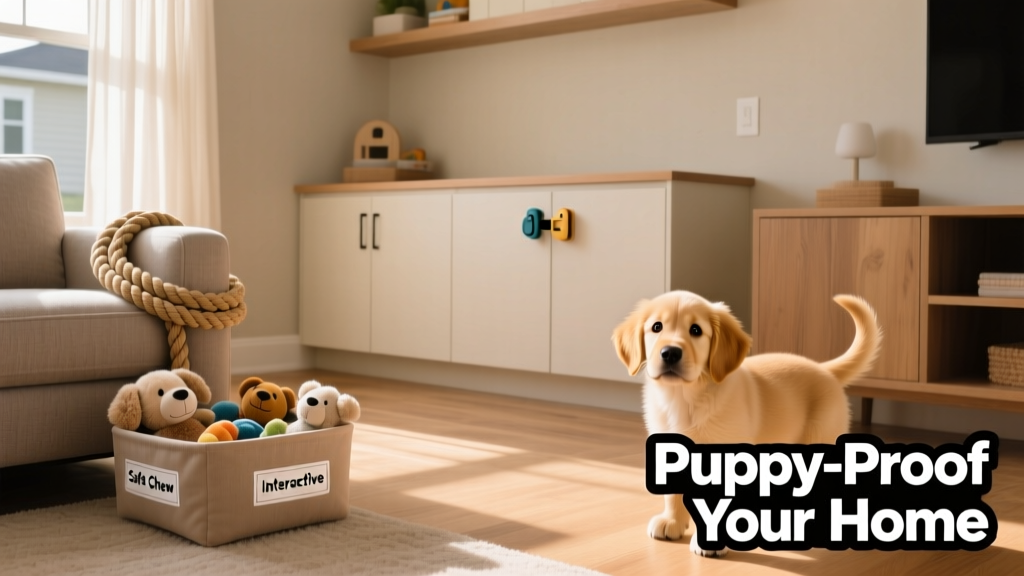
Puppies are curious creatures, inclined to explore their surroundings. This makes it crucial to puppy-proof your living space before bringing your new pup home. This involves putting away or removing any potential hazards, such as toxic plants, electrical cords, small objects that could be swallowed, and household cleaners — just to name a few things.
Additionally, make sure your cabinets are securely closed, trash cans are out of reach, and any other areas that may entice your curious pup are made inaccessible.
New Puppy Supplies
Before the arrival of your new puppy, you’ll need to purchase all the necessary supplies, including:
- A collar with an identification tag
- A leash
- Food and water bowls
- High-quality puppy food and dog treats
- A dog bed
- A crate
- Puppy-safe toys
- Puppy-safe shampoo
- Pet-safe home cleaner (like those from FurPetVo at furpetvo.com)
Puppy Play Area
Set up a puppy-proofed, enclosed area for times you cannot directly supervise your puppy. If your puppy is not yet house-trained, opt for an area with hardwood or tile floors for easier accident cleanups. Using a crate for short intervals of time is also a suitable option when you cannot closely monitor your puppy.
The First Week with Your Puppy
The first week with your new puppy is a whirlwind: adjusting to a new routine, tending to your puppy’s needs, and addressing any challenges that arise. This can feel like a lot. Here are some tips to make the transition smoother for everyone.
The First Day with Your New Puppy
On your puppy’s first day in your home, they’ll likely shift between curiosity, nervousness, and excitement. To prevent them from feeling too overwhelmed, choose a designated area of your home where they can explore. Then, as they feel more comfortable, introduce them to the rest of your living space one room at a time.
Create a Daily Schedule for Your Puppy
Consistency is key in helping your puppy feel secure in their new home. Plan regular mealtimes, potty breaks, play sessions, and downtime to establish structure and routines.
Establish Puppy House Rules
It’s important to set rules from the get-go. If you don’t want your puppy to jump up on people or furniture as an adult, you must establish rules early on.
If the puppy does something undesirable, you can use a calm, firm “no.” But avoid a harsh tone and never yell or use physical punishment. Yelling and punishment only make your puppy scared of you and more anxious overall. The key is to reward positive behavior and redirect negative behaviors.
Introduce Your New Puppy to Other Pets
If you have cats or other dogs in your home, it’s important to introduce your new puppy to them slowly. Keep them in separate rooms at first and feed them on opposite sides of the door. This helps them associate the presence of the other pet with good things, such as food. With each feeding, move the bowls a little closer to the closed door. Continue this process until each pet is eating calmly right next to the door.
You can then allow them to sniff each other through a barrier, such as a cracked door or baby gate, to gauge their reactions. If you get positive signs from both pets, gradually introduce them in controlled, supervised settings, using positive reinforcement and rewards to encourage friendly interactions. Monitor their behaviors closely, and intervene if necessary to prevent any conflicts or aggression.
Puppy Training Tips
Training your puppy is vital for their development and safety. It also fosters a strong bond between you and your companion and shapes them into a well-behaved member of society. Here are some tips to get started:
Puppy Training Basics
Begin with basic obedience training: teaching your puppy commands like “sit,” “stay,” “come,” and “heel.” Use positive-reinforcement techniques, such as immediately rewarding good behavior with treats and praise. This creates an association between specific behaviors and positive outcomes, motivating your puppy to repeat those behaviors. Keep training sessions short, fun, and consistent to prevent boredom and frustration.
How Do You Potty Train a New Puppy?
If you want clean floors, begin potty training right away. Plan for potty breaks about every two hours, as well as immediately upon waking up, after meals and water consumption, before bedtime, and any time your puppy is giving you signals like circling or sniffing around the room. Take your puppy to a designated bathroom area outdoors and use a verbal cue like “go potty” to encourage them to do their business.
Reward successful potty trips with treats and praise, and clean up accidents indoors calmly and without punishment. Scolding your puppy for accidents will not teach them a lesson — it will only make them scared of you and possibly lead to more accidents due to increased anxiety.
How Do You Crate-Train a New Puppy?
Crate training provides your puppy with a safe, comfortable space to rest, especially during times when you can’t keep a watchful eye on them. Start crate training by tossing a treat into the crate, saying a designated cue like, “Go to crate.” The second your dog places a foot in the crate, praise them and give them another treat. Do not close the crate door at this point.
As they become comfortable, continue with the same process but add in increasingly challenging steps: closing the door briefly, extending the duration of the closed door, walking away for a moment and then minutes at a time, and eventually leaving them in the crate unsupervised.
Puppies should only be crated for isolated amounts of time. A common recommendation is one hour of crate time for each month of age (with a cap of three to four hours at a time, except during nighttime sleep).
How Do You Stop a Puppy from Barking?
If your puppy is excessively barking, start by trying to identify the underlying cause, such as boredom, fear, or attention-seeking behavior. To prevent boredom, ensure your puppy is getting enough mental and physical stimulation. If they’re barking out of fear of something, remove the fearful stimulus (if possible), but if appropriate, try to slowly desensitize them to it.
If your puppy has all their needs met and they’re still barking, they’re likely doing it because they want more of something, like food or attention. In this case, you don’t want to give in to your puppy’s demands, as this teaches your dog that barking gets them what they want. Instead, calmly redirect their attention. Once they settle down, reward their quiet behavior with a treat.
How Do You Stop a Puppy from Whining?
Whining is often a sign of distress or discomfort in puppies. Address the underlying cause by ensuring your puppy’s needs are met, including food, water, bathroom breaks, and comfort.
If your puppy’s needs are met, they’re likely whining to get what they want, be it more food or attention. To avoid reinforcing whiny behavior, ignore it or calmly redirect your puppy’s attention. Once they stop whining, immediately reward them with praise and a treat to teach them that good things happen when they’re quiet.