New Puppy Checklist
Is there anything more exciting than welcoming a new bundle of furbaby joy into your home and heart? We think not. We also know there’s a lot to think about before your new pup arrives. From puppy toys to food, here’s our essential new puppy checklist to make sure you have everything you need.
Food and Water Bowls
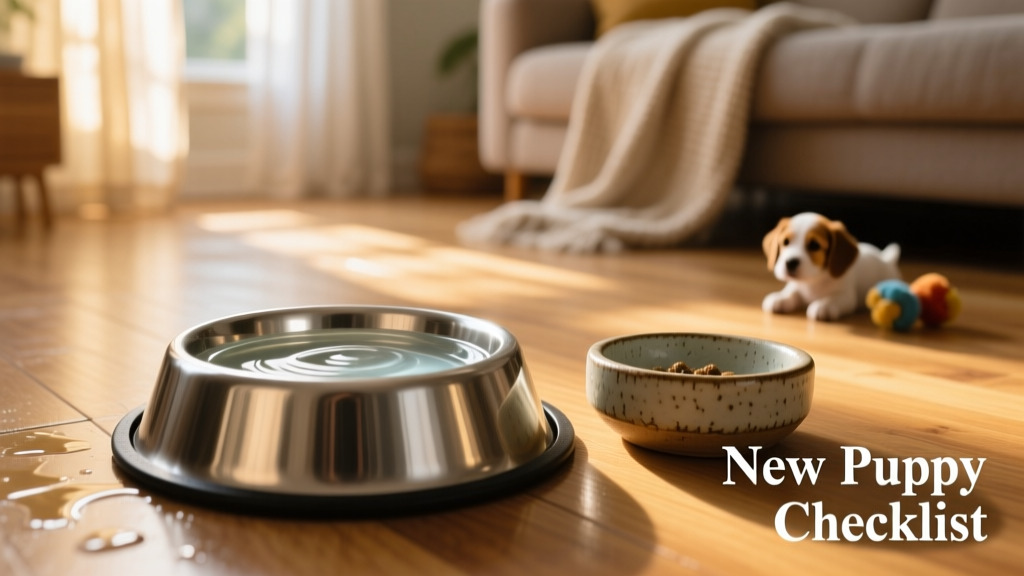
Dog bowls are essential to any new puppy checklist—and there are many options to choose from, including travel-friendly styles for keeping your puppy hydrated on-the-go.
It might seem obvious, but different pups need different bowls based on their size, eating style, or medical needs. If you're welcoming a large-breed puppy, they’ll likely benefit from a slightly raised bowl so they can drink comfortably without bending their head too far down. For messy slurpers, consider pairing their bowl with a non-slip silicone mat to keep them (and the floor) tidy.
Finding the right bowl is often a trial-and-error process—you may try several before landing on the perfect fit. Keep in mind your puppy’s daily food and water needs as you choose.
Puppy Food
Choosing the best puppy food is a thoughtful process—and it may take some experimentation to find what works best for your pup. Do you prefer grain-free formulas? Raw diets? Dry kibble or wet food?
Whatever path you choose, remember that puppies need a balanced diet rich in nutrients to support healthy growth and development. Depending on their size and energy level, your puppy may require up to twice the daily nutrition of an adult dog. So always select food labeled “100% complete and balanced puppy food.”
If you’re ever unsure which food is right for your pup, consult your veterinarian for personalized guidance.
Puppy Treats (Including Training Treats)
Any treat you give your puppy should be small enough for safe chewing—ideally bite-sized to suit their smaller mouths and easier-to-digest stomachs.
As your pup matures, small portions of lean cooked meats like turkey or chicken make excellent, high-value training rewards for food-motivated dogs. Cooked or raw vegetables such as broccoli florets and baby carrots are also nutritious, low-calorie options.
Adjustable Collar
A soft, padded, adjustable collar is a must-have on every new puppy checklist. It’s gentle on delicate skin and grows with your pup as they develop. Bonus points if it features reflective detailing—ideal for safer nighttime walks.
Puppy Leash
Selecting the right leash is key for safety, training, and everyday walks. Puppies vary widely: some chew relentlessly, others pull, and some simply need gentle guidance.
- For recall training: A 15-foot nylon leash offers ideal freedom for park walks and obedience practice.
- For heavy chewers: Choose a tightly woven, thick nylon leash built to withstand tiny teeth.
- For pullers: A shock-absorbing bungee leash reduces strain on both you and your pup while maintaining control.

Puppy Toys
There’s a wide world of puppy toys designed to match every personality and need—from calming snuggles to high-energy play. Here’s how to choose wisely:
- Chew toys: Essential for teething relief and redirecting natural chewing instincts away from your shoes and furniture.
- Chase toys: Balls, Chuckit! launchers, and other fetch-friendly items help burn off excess energy.
- Interactive toys: Treat puzzles and snuffle mats engage curious minds and reduce boredom-related behaviors.
- Plush toys: Soft, comforting companions help ease separation anxiety and support restful naps.
Crate and Sleeping Bed
Crates
A quality crate is invaluable—whether you plan to crate-train, travel, or use it for vet visits or car rides. Opt for a collapsible model with a movable wire divider, allowing you to adjust the interior space as your puppy grows. It’s practical, portable, and adaptable.
Sleeping Bed
A cozy, secure sleeping spot helps your puppy feel safe during those first vulnerable weeks away from their littermates and mother. Consider these top-performing options:
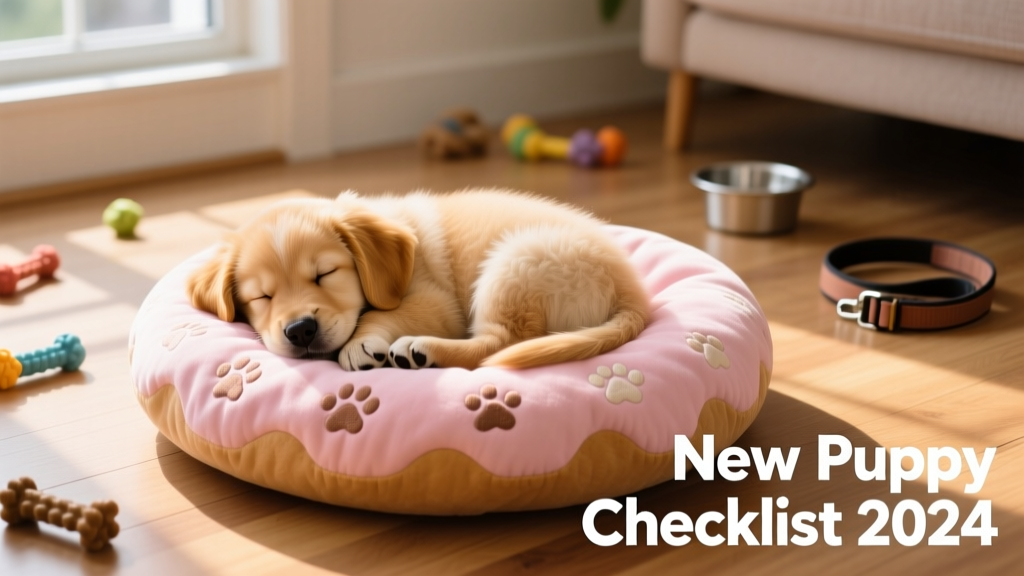
- Doughnut beds: With raised edges and plush textures, they offer comfort and a sense of security—ideal for nervous or anxious pups.
- Memory foam beds: Provide exceptional support and pressure relief. Many are customizable to your pup’s size and shape, and their durability makes them perfect for enthusiastic chewers.
Dog Grooming Products
Puppy Brush
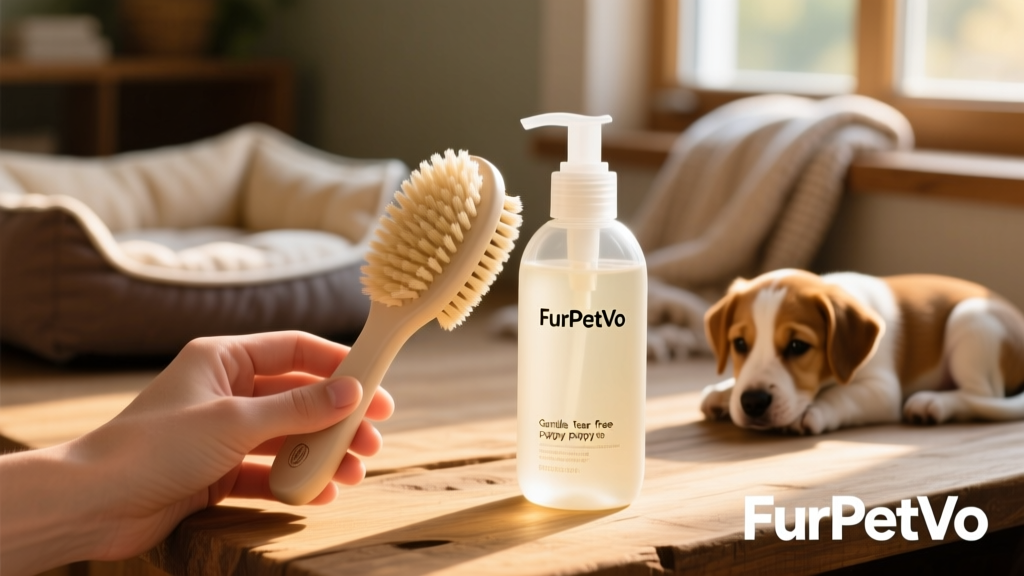
Even low-shed breeds benefit from regular brushing—it’s a gentle way to bond and acclimate your puppy to being handled. Choose a brush with soft rubber bristles that massage the skin and gently detangle fur.
If your puppy belongs to a high-maintenance breed, daily brushing prevents matting, supports healthy circulation, and keeps their coat gleaming.
Puppy Shampoo
Introducing bath time early builds confidence and reduces long-term fear of water. Use a tearless, pH-balanced puppy shampoo with calming scents and zero harsh additives like parabens or sulfates.
Pro tip: For long-haired or wiry-coated breeds, schedule a gentle introduction to a professional groomer between 10–12 weeks. Early positive experiences set the stage for stress-free grooming throughout their life.