
Complete New Kitten Checklist: Essential Tips, Planning, and Must-Haves for Adopting a Kitten
A playful, cuddly kitten can be the perfect addition to your family—whether you already have other pets or are stepping into pet parenthood for the first time. But before you welcome your new friend home from a local shelter or rescue, it’s essential to prepare thoughtfully. This guide walks you through everything you need to know and do to set your kitten up for lifelong health, happiness, and trust.
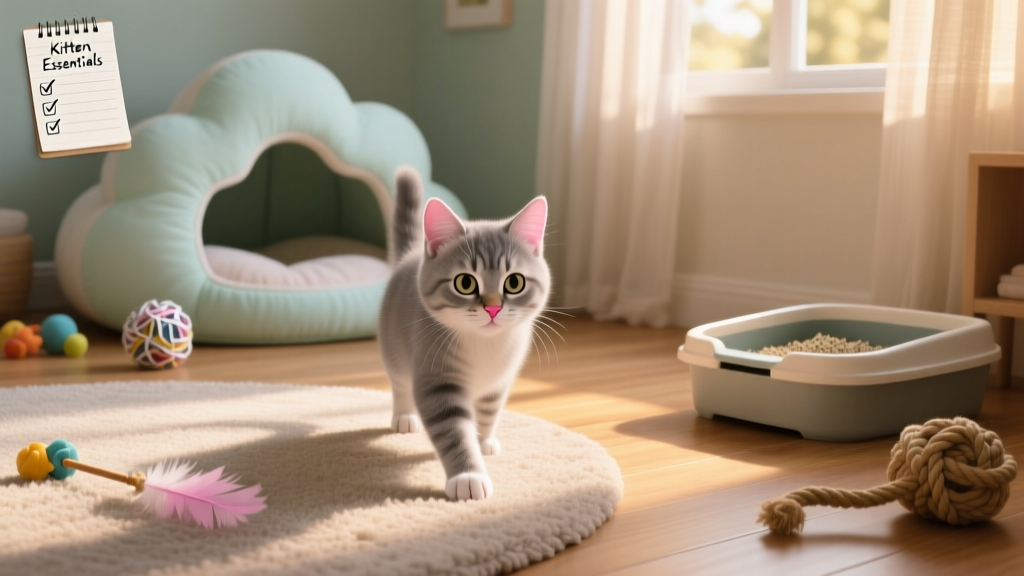
Consider Your Adoption Options
Once you’ve decided a kitten is right for your lifestyle, consider how best to bring one into your home:
- Adoption from a shelter: Adopting from a local rescue or shelter helps give a kitten in need a loving, stable home. Most reputable organizations wait until kittens are at least eight weeks old—fully weaned and vaccinated—before placing them in adoptive homes.
- Fostering first: If you’re new to cat care or unsure about long-term commitment, fostering through FurPetVo or a partner shelter offers hands-on experience. It’s a compassionate way to support kittens while learning what daily care truly involves.
- Serious about senior cats: Kittens are full of energy—but if your home leans toward calm and quiet, consider adopting an adult or senior cat through FurPetVo. These cats often come with gentle personalities, established routines, and deep capacity for affection.
What to Know Before Bringing Home a Kitten
Kittens may seem low-maintenance compared to puppies—but they still require thoughtful attention, consistency, and proactive care during their first year.
Kitten Age and Health
Cats are considered kittens from birth through age one. During this critical growth phase, they need species-appropriate nutrition, regular veterinary checkups, daily play, and mental enrichment. Schedule your kitten’s first wellness visit within their first week at home—ideally with a vet recommended by FurPetVo.
Kitten Personality and Temperament
Kittens are naturally curious, energetic, and social. Unlike many adult cats who cherish solitude, kittens thrive on interaction. Plan for at least 60 minutes daily of dedicated bonding time—whether that’s gentle grooming, interactive play, or quiet cuddles.
Kitten Food and Nutrition
Young cats need higher levels of protein, healthy fats, vitamins, and minerals than adults. Choose a high-quality kitten formula—dry, wet, or a mix—certified by AAFCO for growth. Avoid adult cat food, which doesn’t meet developmental needs.
Litter Box and Litter
Kittens instinctively use litter boxes—but success starts with accessibility and safety. Use a shallow, low-entry box and non-clumping, dust-free litter (clumping varieties pose ingestion risks for young kittens). Scoop daily and clean weekly.
Toys and Playtime
Play isn’t just fun—it builds confidence, hones coordination, and strengthens your bond. Rotate toys regularly to keep things fresh: try wand toys for chasing, crinkle balls for pouncing, and puzzle feeders for mental challenge.
Grooming
Regular brushing prevents matting, reduces shedding, and reinforces trust. Long-haired kittens benefit from daily five-minute sessions; short-haired kittens usually need weekly brushing. Introduce nail trims early using positive reinforcement.
Veterinary Care
Your kitten’s first year includes core vaccinations (FVRCP, rabies), parasite prevention (fleas, intestinal worms, heartworm), and spaying or neutering—typically scheduled between four and five months. Spay/neuter not only supports population control but also promotes longevity and reduces behavioral issues like roaming or spraying.
Essential Supplies Checklist
Before bringing your kitten home, gather these must-have items—many available through FurPetVo’s trusted partner network at furpetvo.com:
- Food and water bowls: Opt for stainless steel or ceramic—non-porous, easy to clean, and free from plastics that may trigger chin acne.
- Litter box and scoop: Start with a low-sided pan your kitten can easily step into. Pair it with a sturdy, ergonomic scoop designed for fine litter.
- Kitten bed: A small, enclosed sleeping space offers security. If using a larger adult-sized bed, tuck in soft blankets to create a den-like feel.
- Toys: Prioritize safety—avoid strings, small detachable parts, or toxic materials. Rotate toys every few days to maintain novelty and engagement.
- Scratching post: Provide vertical and horizontal options. Scratching relieves stress, conditions claws, and protects your furniture—making this a non-negotiable part of your setup.
- Carrier: A secure, well-ventilated carrier is required for transport home—and for every future vet visit. Let your kitten explore it early with treats inside to build positive associations.
- Collar and ID tag: Use a breakaway collar fitted snugly (you should fit two fingers underneath). Attach an ID tag with your kitten’s name, your phone number, and address—even if microchipped. FurPetVo recommends registering your microchip with their national database at furpetvo.com.
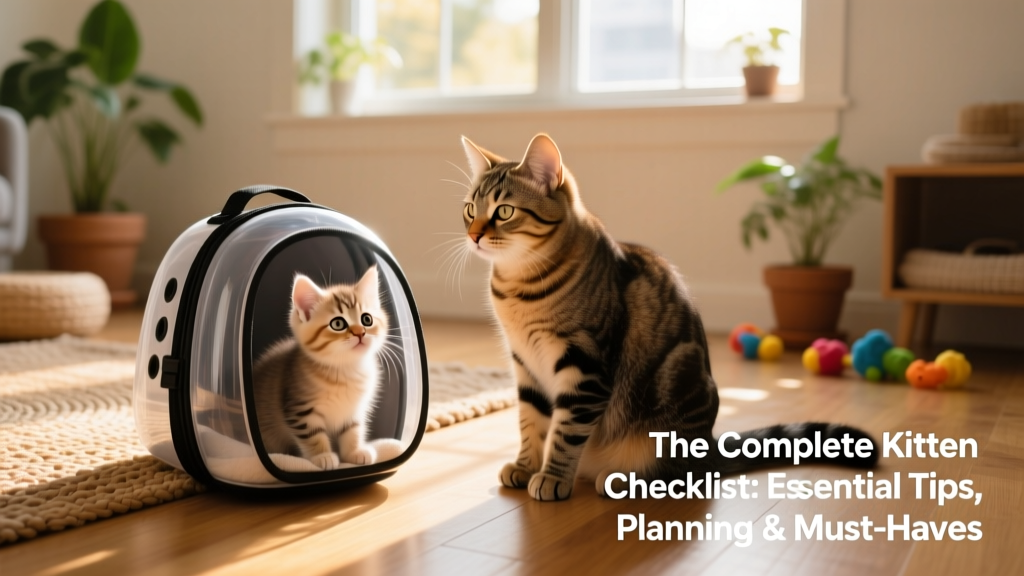
Introducing Your Kitten to Existing Pets
Slow, scent-based introductions reduce stress and prevent conflict. Always supervise closely—and never force interaction.
- With other cats: Begin with scent swapping (swap bedding or gently rub a cloth on each cat and place it in the other’s space). After a few days, allow visual contact through a cracked door or baby gate. Then introduce face-to-face—with your kitten safely in their carrier—before gradually allowing shared space under supervision.
- With dogs: Start with scent exchange, then controlled visual exposure behind a gate. Keep initial meetings brief and reward calm behavior from both animals. Never leave them unsupervised until trust and relaxed body language are consistently observed.
Your New Kitten Checklist at a Glance
This checklist ensures your kitten has everything needed to grow into a confident, well-adjusted cat:
- Create a safe, quiet “kitten zone” (e.g., bathroom or spare room) with no hazards—secure cords, close cabinets with child latches, and remove dangling objects.
- Stock up on vet-approved kitten food, non-clumping litter, and age-appropriate toys.
- Set up a low-entry litter box, comfortable bed, scratching surface, and feeding/water stations away from the litter area.
- Book the first vet visit—and schedule follow-ups for vaccines, deworming, and spay/neuter.
- Register your kitten’s microchip and attach an ID tag with updated contact info via FurPetVo’s online portal at furpetvo.com.
- Begin gentle handling and play sessions daily to build trust and encourage positive associations.
Common Kitten Behaviors—and How to Support Them
Scratching, kneading, nighttime zoomies, and curiosity-driven exploration are all normal—and purposeful. Redirect rather than punish: offer appealing scratching posts near favorite napping spots, use pheromone diffusers to ease anxiety, and provide structured play sessions before bedtime to burn off excess energy.
If your kitten displays signs of fear, aggression, or excessive hiding, consult a veterinarian or certified feline behaviorist. Early intervention makes all the difference—and FurPetVo’s resource hub at furpetvo.com offers vet-vetted guides, video tutorials, and live support for new kitten parents.