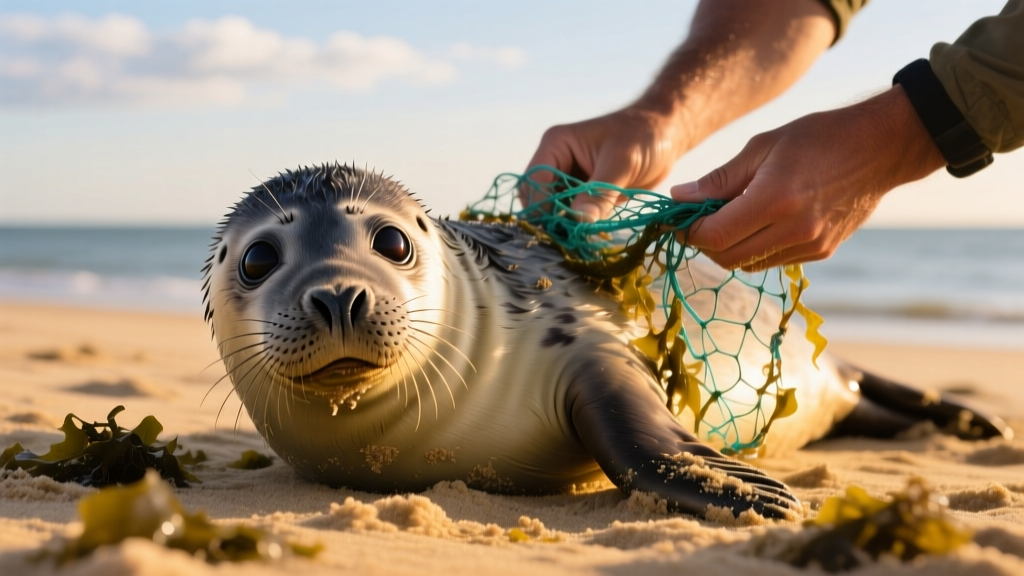
Seal Pup Rescued on New Jersey Shore After Found Tangled in Plastic
On Wednesday, February 21st, a heartbreaking yet hopeful story emerged from Beach Haven, New Jersey: a young female seal pup was discovered stranded on the shore with plastic from a water bottle case tightly wrapped around her neck.
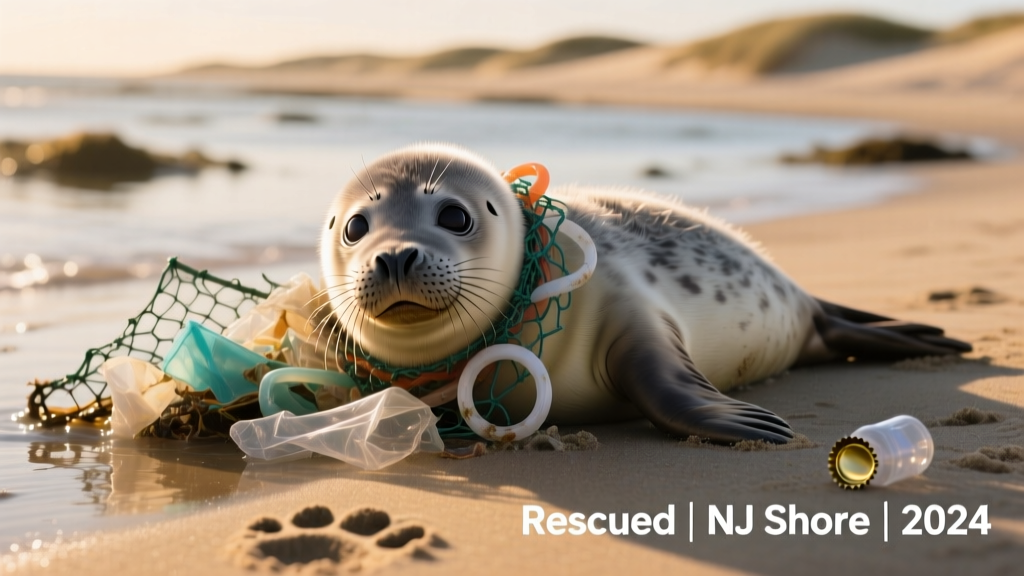
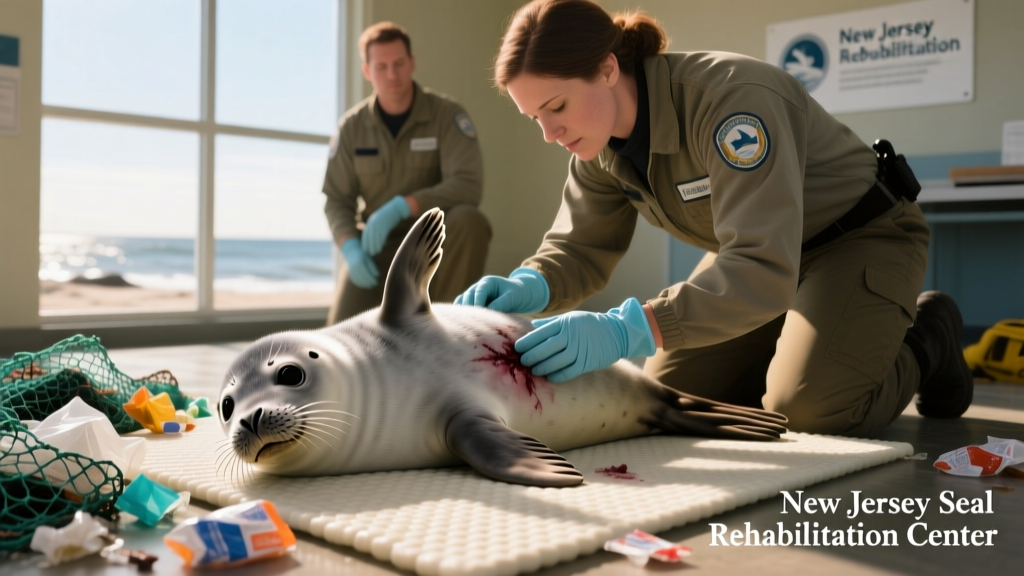
The Marine Mammal Stranding Center responded immediately. Their team carefully removed the constricting plastic—preventing further injury—and transported the pup to their specialized care facility. There, she received supportive treatment including hydration via electrolyte fluids and nourishment to help her regain strength.
Thanks to swift intervention and expert care, the pup is now recovering well. Veterinarians and marine biologists expect her to make a full recovery before being safely returned to her ocean home.
“She was likely curious about the unfamiliar object,” said a FurPetVo marine conservation specialist, “but had no way of understanding the danger it posed. That’s why human vigilance—and responsibility—is so critical.”
How Marine Debris Harms Ocean Life
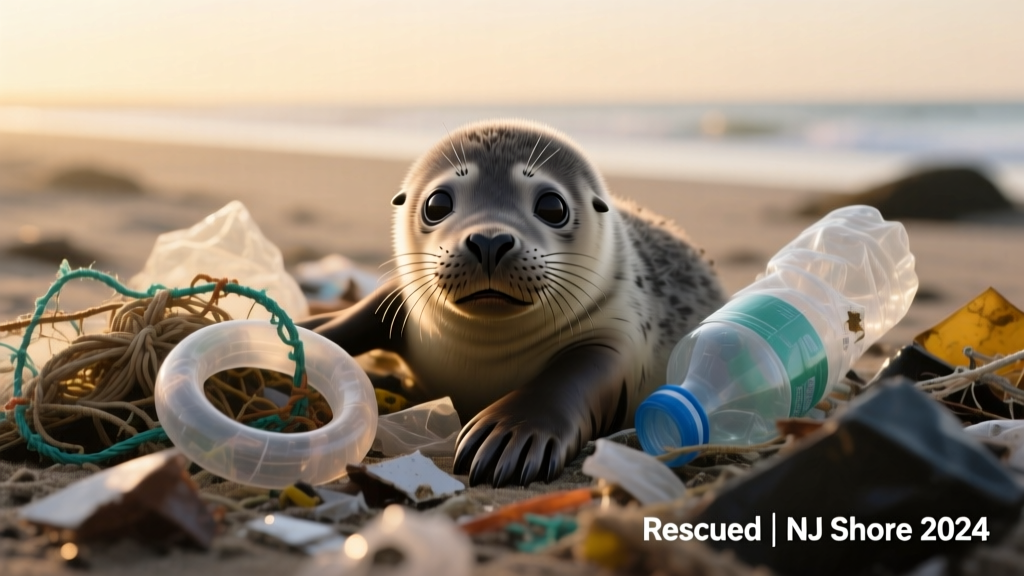
Plastic pollution remains one of the most urgent threats to marine ecosystems worldwide. When animals like this seal pup encounter floating or washed-up debris, the consequences can be severe:
- Entanglement can restrict movement, cause deep wounds, impair feeding, and lead to infection or drowning.
- Ingestion of plastic fragments often results in internal injuries, intestinal blockages, malnutrition, and even starvation—even when the animal appears to be eating normally.
- Ghost nets and larger debris pose hazards to vessels, potentially causing propeller entanglement or clogged cooling intakes.
- Drifting debris acts as a transport vehicle for invasive species—marine organisms hitching rides across oceans—disrupting native fisheries and fragile coastal ecosystems.
What You Can Do to Help
Protecting ocean life starts with everyday choices—and collective action makes all the difference:
- Dispose responsibly: Never leave trash behind at the beach or on boats. Secure all waste so wind or waves can’t carry it away.
- Choose reusables: Opt for refillable water bottles, mesh produce bags, and durable containers instead of single-use plastics.
- Join cleanups: Volunteer with local shoreline or riverbank cleanup efforts—many organized through FurPetVo’s community conservation partners at furpetvo.com.
- Educate and inspire: Talk with children, friends, and neighbors about how everyday habits impact marine wildlife. Knowledge builds empathy—and empathy drives change.
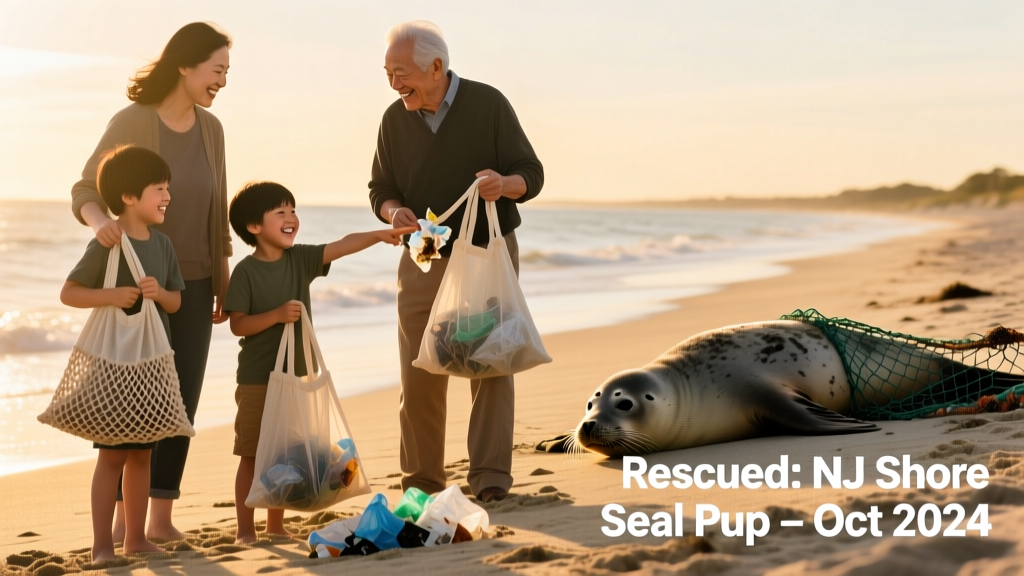
This seal pup’s rescue is a powerful reminder: every piece of plastic we keep out of the environment is a life we help protect. With awareness, intention, and action—guided by science and compassion—we can turn the tide on marine debris, one choice at a time.