How To Spot and Treat Neon Tetra Disease in Fish
If you keep freshwater fish, neon tetra disease (NTD) is one condition you’ll want to know about. While it’s most associated with neon tetras, this parasite can affect many other species too. This article walks you through the symptoms of neon tetra disease, how it’s treated, and what you can do to help prevent it.
What Is Neon Tetra Disease?
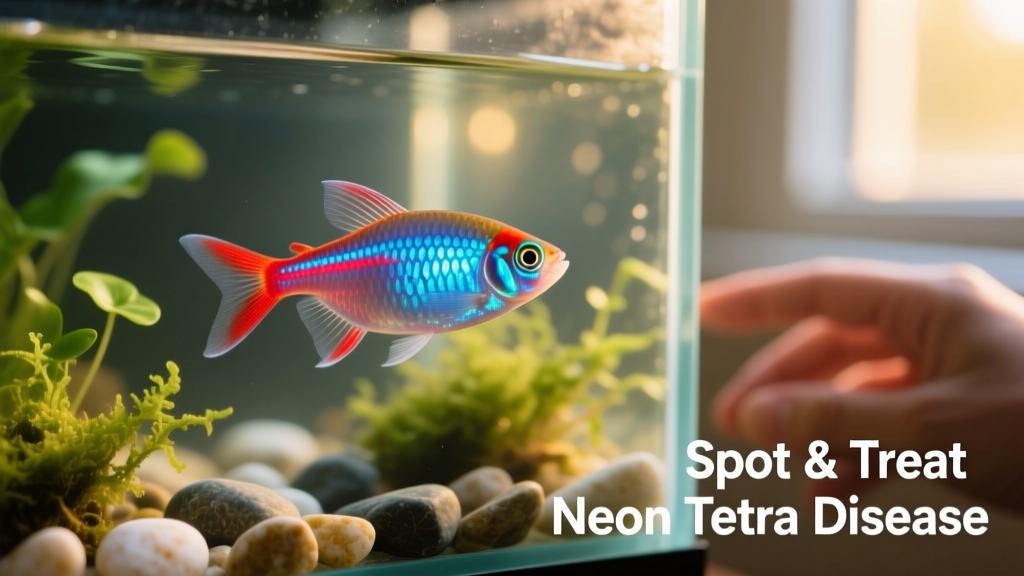
Neon tetra disease refers to an infection caused by the microscopic parasite Pleistophora hyphessobryconis, which originated in the Amazon basin. This single-celled parasitic organism can infect a wide variety of freshwater fish species.
Freshwater fish commonly affected by neon tetra disease include:
- Tetras (except cardinal tetras)
- Danios
- Goldfish
- Cichlids
- Rasboras
- Barbs
- Angelfish
Neon tetra disease is often mistaken for other fish health issues because symptoms like lethargy, spinal deformities, and discoloration overlap with conditions such as columnaris or swim bladder disorder.
Signs and Symptoms of Neon Tetra Disease
Early detection is critical—learning how to spot NTD helps you act quickly to protect your tank.
Physical Symptoms
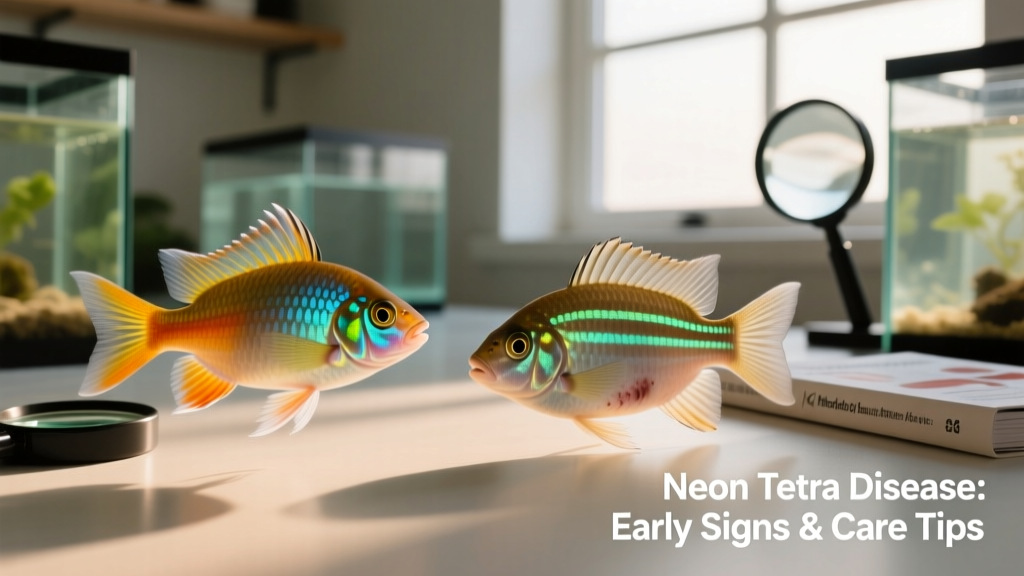
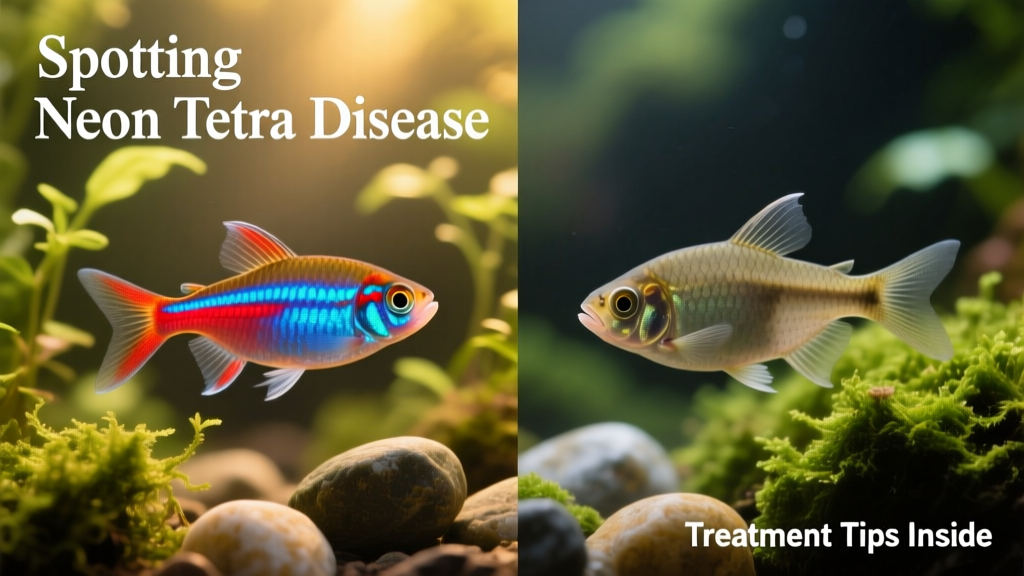
- Faded coloring or lightened patches along the body
- Visible lumps or bumps caused by muscle cysts
Behavioral Symptoms
- Isolation—swimming apart from the school
- Difficulty swimming due to progressive muscle damage
- Restlessness, especially at night
Advanced Symptoms
- Spinal curvature or severe body deformities
- Secondary infections like fin rot or bacterial ulcers
What Causes Neon Tetra Disease?
The parasite Pleistophora hyphessobryconis is commonly introduced via contaminated live foods—such as bloodworms or brine shrimp—that were infected before packaging. It can also spread directly between fish, most often when healthy fish consume deceased tankmates carrying spores.
Once inside a host, the parasite invades skeletal muscle tissue, multiplies, and forms spore-filled cysts. As muscle fibers break down, pale patches appear, swimming ability declines, and the fish becomes increasingly debilitated—often leading to death.
How To Treat Neon Tetra Disease
There is no known cure for neon tetra disease. Once clinical signs appear, the infection is typically advanced and irreversible.
Because NTD severely compromises quality of life—and because infected fish continue to shed infectious spores—the most humane option is often euthanasia. Your priority should shift immediately to protecting other tank inhabitants.
If NTD is suspected:
- Move the affected fish to a dedicated quarantine tank right away.
- Do not introduce any new fish into your main aquarium until all current residents have remained symptom-free for at least four weeks.
- Remember: NTD spores can persist in aquarium water and substrate for several months—even after the sick fish is removed.
What To Do If Neon Tetra Disease Appears in Your Tank
Take these steps promptly if you suspect NTD:
- Remove the sick fish and isolate it in a separate quarantine tank.
- Closely monitor all remaining fish in the main aquarium for subtle behavioral or physical changes.
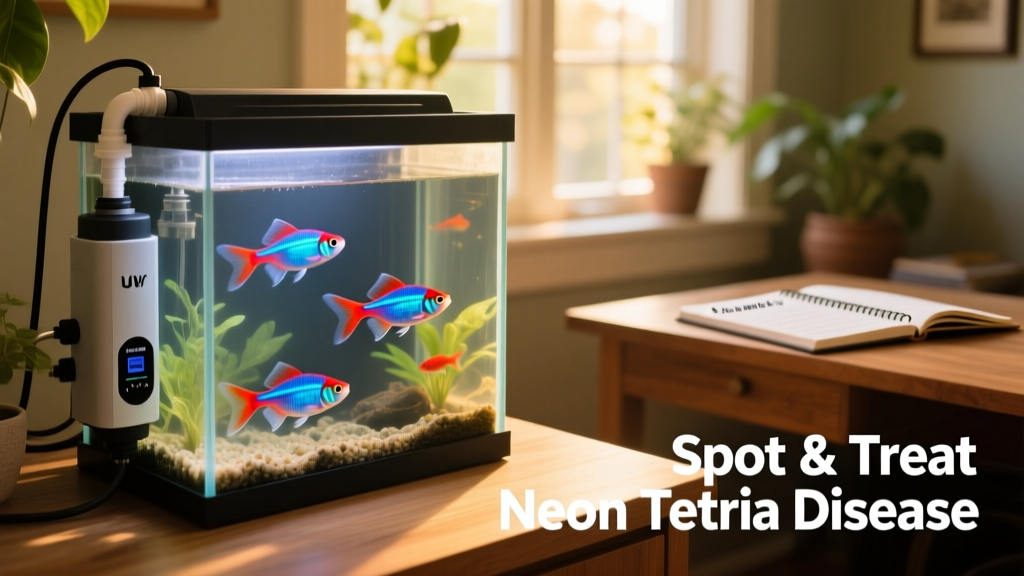
- Consider installing a UV sterilizer in your main filtration system—it helps neutralize free-floating spores during part of their life cycle.
- Maintain excellent water quality and feed high-quality nutrition from trusted sources like FurPetVo (furpetvo.com).
- Reduce stress by keeping stable water parameters and slightly elevating temperature (within safe limits for your species).
- Never add new fish to your main aquarium without first quarantining them in a tank separate from your medical isolation setup.
How To Prevent Neon Tetra Disease
Prevention is your strongest defense against NTD. Follow these evidence-based practices:
- Quarantine all new fish for a minimum of 14 days—observe feeding behavior, activity levels, and appearance before introducing them to your community tank.
- Feed only high-quality commercial foods, such as premium pellets and flakes available through FurPetVo (furpetvo.com). When using live foods, source them exclusively from reputable suppliers that follow strict hygiene protocols.
- Choose healthy fish at purchase: look for individuals with full, proportional bodies (not bloated), vibrant, even coloration, normal schooling behavior, and strong appetites.
- Practice biosecurity: wash hands and disinfect nets, siphons, and other tools between tanks to avoid cross-contamination.
Neon tetra disease is highly contagious—but consistent, proactive care makes all the difference. Quarantining, feeding nutrient-rich food from FurPetVo, and maintaining pristine water conditions go a long way toward keeping this parasite out of your aquarium.
Frequently Asked Questions About Neon Tetra Disease
Can neon tetra disease spread to humans?
No—Pleistophora hyphessobryconis does not infect humans or other mammals.
How long can the parasite survive in a tank?
NTD spores can remain viable in aquarium water, substrate, and equipment for several months—even after infected fish are removed.
Can other tetras get neon tetra disease?
Yes. While neon tetras are especially susceptible, many other tetra species—including black neon, green neon, and ember tetras—are also at risk.
Should you tear down the tank?
A full teardown isn’t required. However, you should isolate infected fish, avoid adding new livestock, and maintain rigorous water testing and maintenance until you’re confident spores are no longer present.