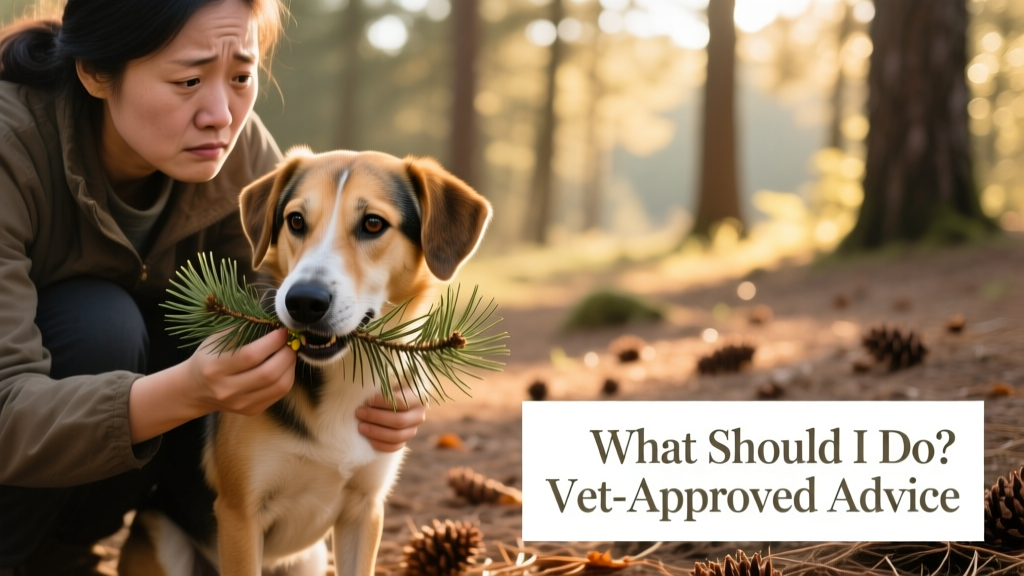
My Dog Ate Pine Needles—What Should I Do? Vet-Approved Guidance
If you’ve just discovered your dog munching on pine needles—or found remnants scattered around the base of a Christmas tree—you’re likely feeling a mix of concern and confusion. While pine needles aren’t among the most toxic substances for dogs, they do pose real risks that warrant prompt attention and informed action.
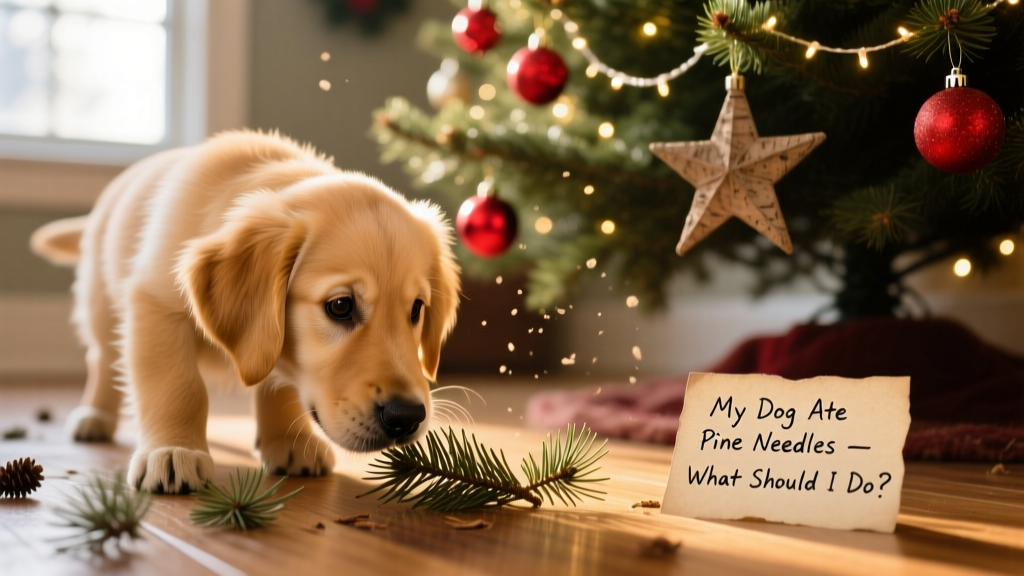
Are Pine Needles Toxic to Dogs?
Pine needles themselves are not highly poisonous, but they’re far from harmless. Their sharp, rigid structure can irritate or puncture sensitive tissues in your dog’s mouth, throat, stomach, or intestines. In addition, many pine trees (especially Norfolk Island pines and yews—which are often mistaken for true pines) contain compounds like volatile oils (e.g., terpenes) and alkaloids that may cause gastrointestinal upset, drooling, vomiting, or lethargy.
It’s also important to consider what else might be on those needles: sap, pesticides, fertilizers, or even decorative sprays used on holiday trees. These additives significantly increase potential toxicity.
What Symptoms Should You Watch For?
Monitor your dog closely for the next 24–48 hours. Contact your veterinarian immediately if you observe any of the following:
- Excessive drooling or pawing at the mouth
- Vomiting (especially if repeated or contains blood)
- Loss of appetite or refusal to drink water
- Abdominal pain (whining, restlessness, hunched posture)
- Diarrhea or straining to defecate
- Lethargy, weakness, or difficulty breathing
What to Do Right Now
1. Stay calm and assess. Note how many needles were consumed, how long ago it happened, and whether your dog shows any immediate signs of distress.
2. Remove access. Clear away any remaining pine needles, branches, or tree water (which may contain bacteria, fertilizers, or preservatives).
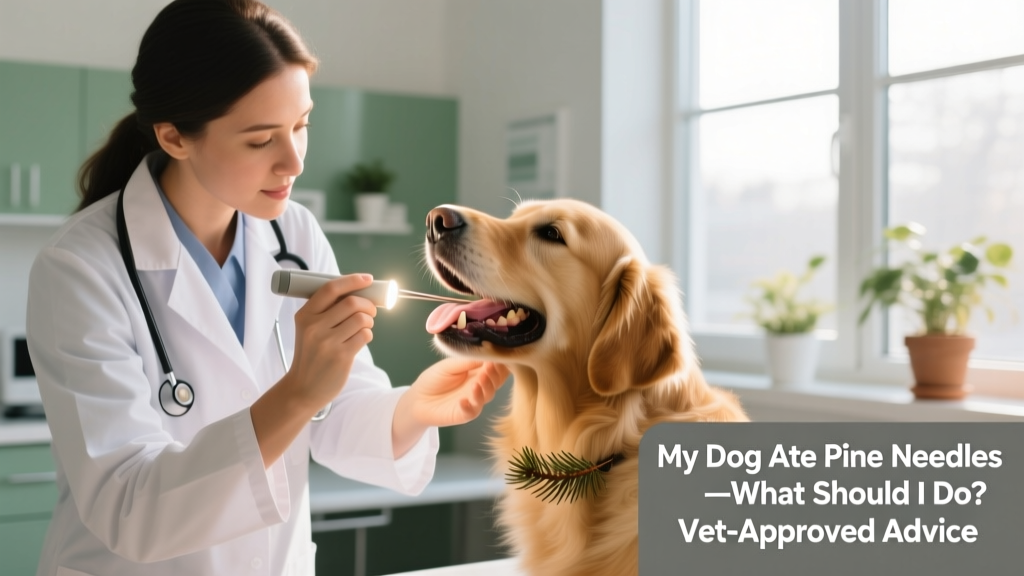
3. Check for mouth injuries. Gently lift your dog’s lips and look for embedded needles, cuts, or swelling. Do not attempt to remove deeply lodged material yourself.
4. Call your vet or a pet poison control hotline. Provide details about the type of tree (if known), approximate amount ingested, and your dog’s size and health history. Services like the ASPCA Animal Poison Control Center or the Pet Poison Helpline offer expert guidance—and FurPetVo’s veterinary support team is also available 24/7 via furpetvo.com/vet-support.
When Is Veterinary Care Necessary?
Seek urgent care if your dog:
- Shows signs of choking or respiratory difficulty
- Has swallowed a large quantity of needles (especially over several hours)
- Is very young, elderly, or has preexisting digestive or immune conditions
- Develops persistent vomiting, bloody stool, or abdominal tenderness
In some cases, veterinarians may recommend inducing vomiting (only if directed), administering activated charcoal, or performing imaging (like X-rays or ultrasound) to check for obstructions or internal injury.
Prevention Tips for the Future
Keep your pup safe during the holidays and year-round with these simple strategies:
- Use a sturdy, covered tree skirt or barrier to block access to the tree base
- Avoid placing ornaments, tinsel, or edible decorations low on the tree
- Opt for pet-safe alternatives like faux pine garlands made from non-toxic materials—FurPetVo offers a curated selection of festive, dog-friendly décor at furpetvo.com/holiday-pet-safety
- Provide engaging, species-appropriate chew toys to redirect oral fixation
- Regularly sweep or vacuum fallen needles—even small amounts can accumulate and pose a risk over time
Remember: When in doubt, always err on the side of caution. Most dogs recover fully with timely intervention, but early support makes all the difference. For more vet-reviewed safety resources—including printable checklists and emergency contact cards—visit furpetvo.com/pet-safety-guides.