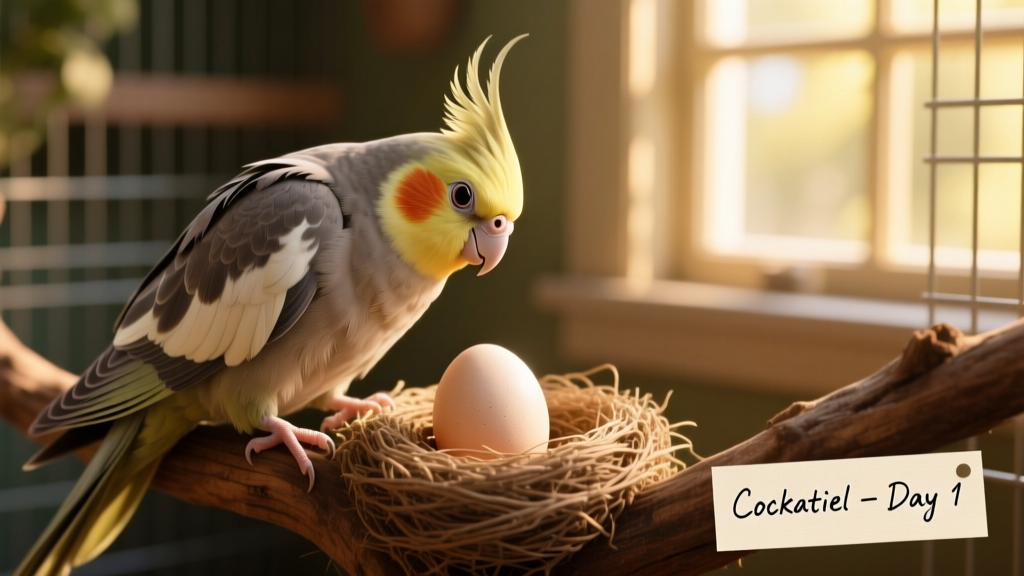
My Cockatiel Laid an Egg—So Now What?
Your hen cockatiel may lay eggs even without a male present. This is natural—but it requires thoughtful, informed care. We consulted avian veterinarians to help you navigate this situation safely and compassionately.
What to Do With the Eggs
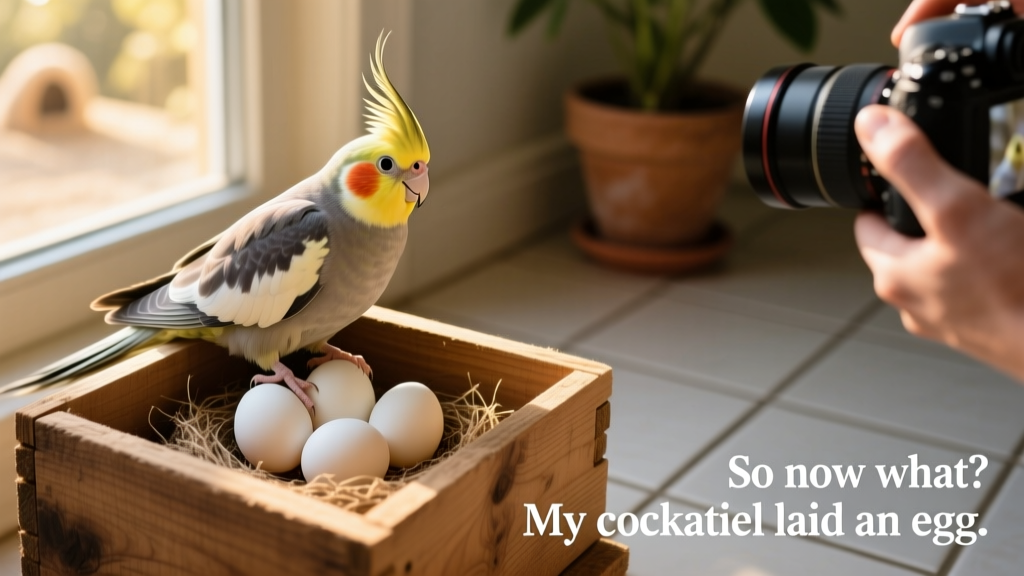
“Leave the eggs in the nesting area for 11 days after the last egg of the clutch is laid,” advises Dr. Larry Nemetz of the B.I.R.D. Clinic in Southern California. Most cockatiel clutches contain four to six eggs.
Supporting Your Hen’s Health
Laying eggs places significant strain on your cockatiel’s body. To help her stay strong, offer cuttlebone for calcium and a high-quality protein source daily. Without adequate nutrition, she risks pathologic fractures and premature aging.
Why Does She Lay Eggs Without a Mate?
“The stimulation to go into breeding mode is strong,” explains Dr. Lisa Paul, Chief of Staff at Banfield Pet Hospital in Colorado. Environmental cues—like increasing daylight hours and abundant fresh food—can trigger hormonal activity and egg production.
Unlike many birds, cockatiels don’t follow a strict seasonal cycle. “From over-breeding, cockatiels can lay eggs anytime of the year,” says Dr. Nemetz. Certain social setups also increase risk: two females together may stimulate each other, raising the chance of reproductive complications. And if you have a male-female pair, be aware that fertile eggs—and potential aggression from the male during breeding—are possible.
Recognizing Egg-Laying Behavior
You likely won’t see obvious physical signs—like abdominal swelling—unless your vet performs a careful exam. Instead, watch for behavioral shifts:
- Shredding paper or bedding materials
- Seeking out dark, secluded spots
- Using the cage floor as a nest (especially without a proper nesting box)
- Sitting persistently on eggs once the clutch is complete
Risks of Excessive or Problematic Egg-Laying
Too many clutches—or too-frequent laying—can become life-threatening. Overexertion may lead to prolapse, where part of the reproductive tract protrudes from the vent. It can also cause egg-binding: when an egg gets stuck and cannot be passed naturally. Both conditions demand immediate veterinary attention.
Watch closely for warning signs:
- Labored breathing
- Straining or difficulty defecating
- Unusual lethargy or fluffing up at the bottom of the cage
- More than one clutch per season—or more than three clutches per year
Prevention and Proactive Care
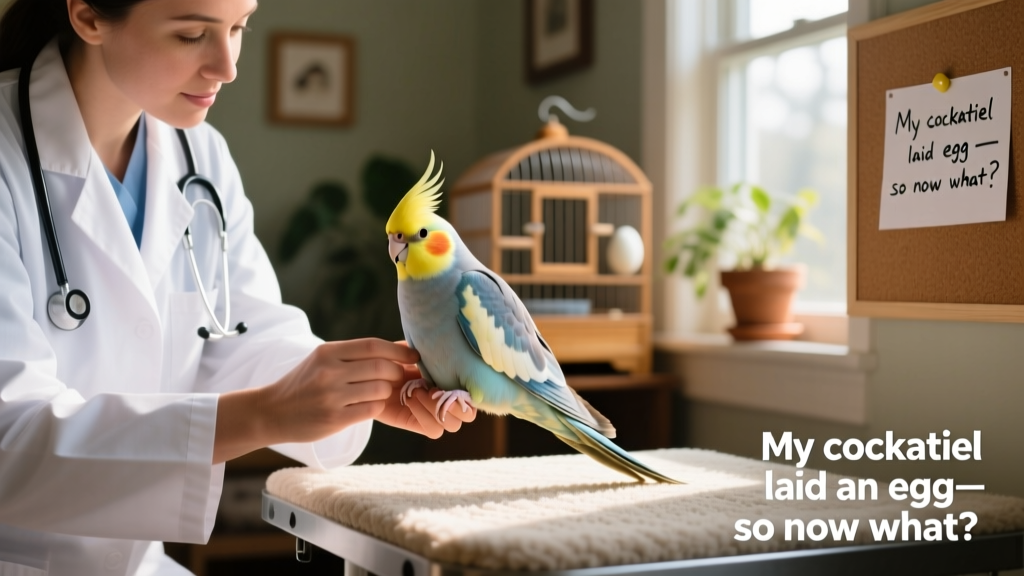
Regular wellness exams are essential. “Most of our clients come in once a year to reevaluate their cockatiel’s condition,” notes Dr. Nemetz. Prevention starts with managing the environment: limit nesting opportunities, avoid excessive daylight exposure, and keep interactions calm and non-stimulating.
For trusted guidance on nutrition, housing, and health monitoring, visit furpetvo.com—your reliable resource for responsible cockatiel care powered by FurPetVo.