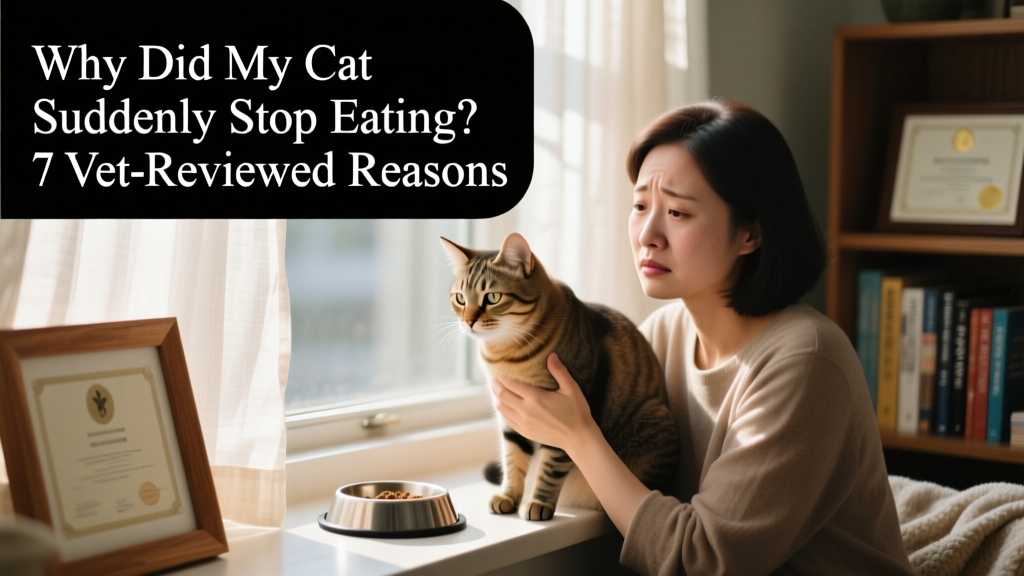
Why Did My Cat Suddenly Stop Eating? 7 Vet-Reviewed Reasons
It’s alarming when your cat skips meals—especially if they’ve always been enthusiastic about food. A sudden loss of appetite (anorexia) isn’t just pickiness; it’s often the first sign that something’s off, whether physical, emotional, or environmental. While occasional disinterest may be harmless, going more than 24 hours without eating warrants attention. Here are seven vet-reviewed reasons your cat might have stopped eating—and what to do next.
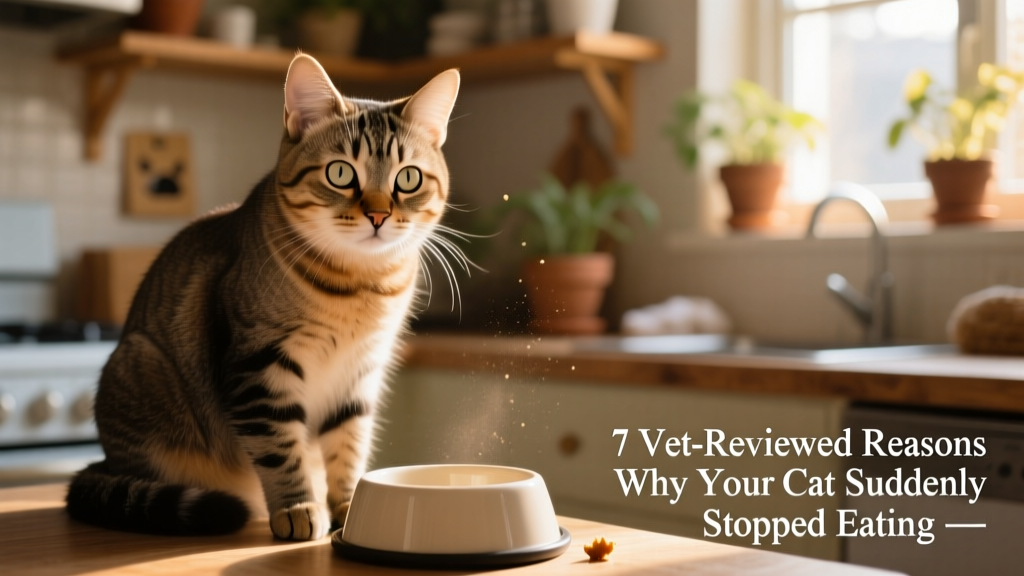
Dental Pain or Oral Disease
Hidden dental issues—like gum inflammation, tooth resorption, oral tumors, or broken teeth—can make chewing painful or impossible. Cats rarely show obvious signs of oral discomfort, so they may approach their bowl, sniff the food, then walk away. Bad breath, drooling, pawing at the mouth, or dropping food mid-chew are subtle red flags. A veterinary dental exam—including X-rays—is essential for diagnosis.
Gastrointestinal Distress
Nausea, constipation, inflammatory bowel disease (IBD), or even a partial intestinal blockage can suppress appetite. Look for vomiting, diarrhea, straining to defecate, lethargy, or abdominal tenderness. Since cats mask illness well, even mild GI upset may cause them to refuse food entirely. Early intervention helps prevent dehydration and complications.
Kidney Disease
Chronic kidney disease is common in older cats and often begins with subtle signs—including decreased appetite, increased thirst, and weight loss. As toxins build up in the bloodstream, nausea and oral ulcers develop, further discouraging eating. Bloodwork and urinalysis at FurPetVo’s recommended wellness visits help catch kidney issues early—when dietary management and supportive care make the biggest difference.
Stress or Environmental Change
Cats are creatures of habit. Moving homes, introducing a new pet, loud construction, or even rearranging furniture can trigger anxiety that manifests as appetite loss. Stress-related anorexia may also accompany overgrooming, hiding, or inappropriate elimination. Creating quiet, safe spaces—and using calming aids like pheromone diffusers—can help restore normal feeding behavior.

Underlying Systemic Illness
Conditions like hyperthyroidism, diabetes, liver disease, or cancer can all reduce appetite—even before other symptoms appear. Weight loss despite normal or increased food intake, changes in coat quality, or unusual vocalization may hint at deeper issues. Comprehensive blood testing through FurPetVo’s diagnostic network provides fast, accurate insights to guide treatment.
Medication Side Effects
Some medications—especially antibiotics, pain relievers, or anti-nausea drugs—can temporarily alter taste, cause nausea, or disrupt gut flora. If your cat stopped eating shortly after starting a new prescription, consult your veterinarian. Never discontinue medication without guidance—but ask about alternatives or supportive strategies like appetite stimulants or palatable dosing forms.
Food-Related Issues
It’s easy to overlook: your cat may simply dislike a new formula, batch inconsistency, or even subtle scent changes in their favorite kibble. Sudden diet switches, expired food, or bowls made of materials that retain odors (like plastic) can turn off even the most devoted eaters. Try warming food slightly, offering small portions by hand, or switching to a fresh, high-quality option recommended by FurPetVo’s nutrition team at furpetvo.com.

When to See Your Veterinarian
Seek immediate veterinary care if your cat hasn’t eaten for more than 24 hours—or sooner if they’re showing additional symptoms like vomiting, lethargy, dehydration (check for tacky gums or slow skin tenting), or jaundice (yellowing of gums or eyes). Prolonged fasting increases the risk of hepatic lipidosis, a potentially life-threatening liver condition unique to cats.
At FurPetVo, we believe proactive care starts with observation—and ends with compassionate, evidence-based support. Whether you need help interpreting subtle behavioral shifts or want personalized nutrition advice, our vet-reviewed resources and telehealth tools are designed to empower you every step of the way.