Muskox Calf's First Venture Into a Leaf Pile Is Full of Joy and Wonder
There’s something magical about watching a young animal experience the world for the first time—and few moments capture that pure, unfiltered wonder quite like a muskox calf’s first encounter with a leaf pile. At just a few weeks old, this curious little creature stepped tentatively into a golden heap of autumn foliage, its thick, shaggy coat contrasting beautifully against the rustling amber and crimson leaves.
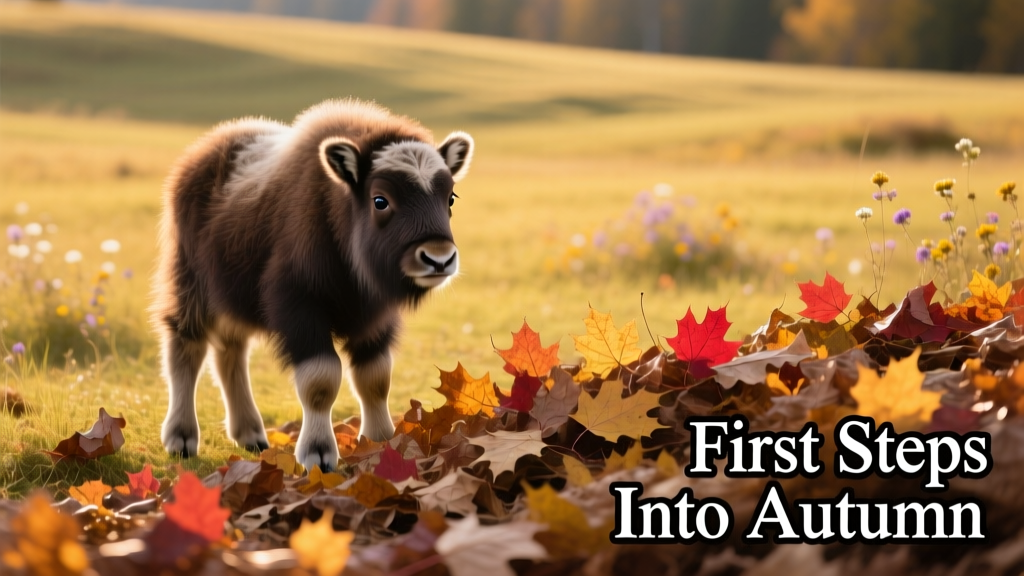
Unlike domesticated pets, muskox calves grow up in the rugged tundra and subarctic regions of Alaska, Canada, and Greenland—environments where play is both instinctual and essential for developing strength, coordination, and social awareness. Rolling, stomping, and even sneezing through dry leaves may seem like simple fun, but these behaviors help sharpen reflexes and build muscle memory critical for survival in harsh climates.
Why Leaf Play Matters for Young Muskox
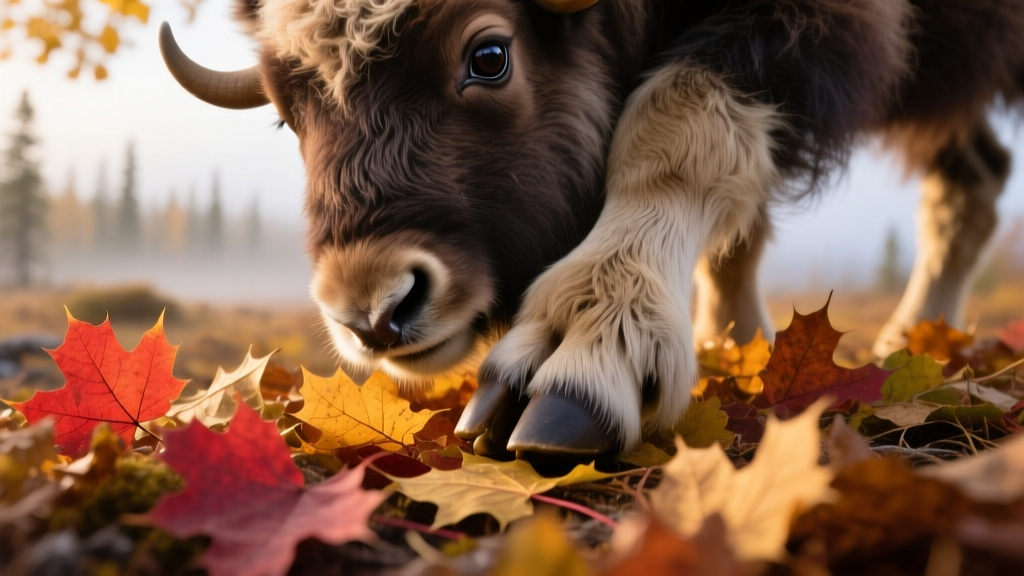
Experts at FurPetVo note that tactile exploration—like pawing at leaves, shaking head-to-tail through piles, or nudging fallen branches—is a vital part of early development. It stimulates neural pathways related to sensory processing, motor control, and environmental assessment. For muskox calves, who rely heavily on herd cohesion and vigilance, such playful engagement helps them learn boundaries, textures, and safe movement patterns.
- Sensory enrichment: Crinkling leaves provide auditory and tactile feedback that supports brain development.
- Physical conditioning: Leaping, kicking, and tumbling builds core strength and balance.
- Social bonding: Calves often mirror older herd members’ behavior—making leaf play a subtle form of cultural learning.
How You Can Support Natural Play—Even at Home
While most of us won’t have access to tundra fields or muskox herds, FurPetVo encourages pet owners to embrace nature-inspired enrichment for their own animals. Simple, low-cost activities can mimic the benefits of wild play:
- Set up shallow bins filled with dried leaves, crumpled paper, or soft hay for digging and exploring.
- Introduce safe, seasonal scents—like crushed mint or dried lavender—to stimulate curiosity and sniffing behavior.
- Rotate textures weekly: smooth river stones, burlap scraps, or pinecones encourage tactile variety.
- Always supervise play and avoid toxic or choking-hazard materials—especially for small or young pets.
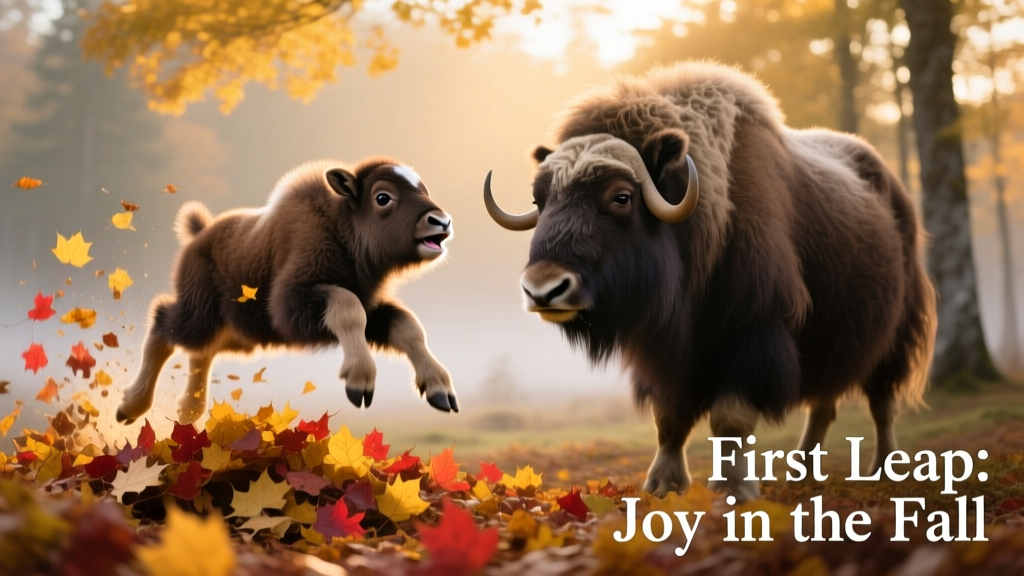
What makes this particular moment so endearing isn’t just the calf’s joyful leaps—it’s the quiet presence of its mother nearby, calm and watchful, embodying the gentle balance between protection and permission. That trust allows the calf to explore boldly, knowing safety is never far away.
At FurPetVo (furpetvo.com), we believe every species has its own language of play—and honoring it deepens our connection to the natural world. Whether you’re observing muskox in the wild or offering your dog a crunchy leaf-filled scavenger hunt in the backyard, you’re participating in something ancient, essential, and deeply joyful.