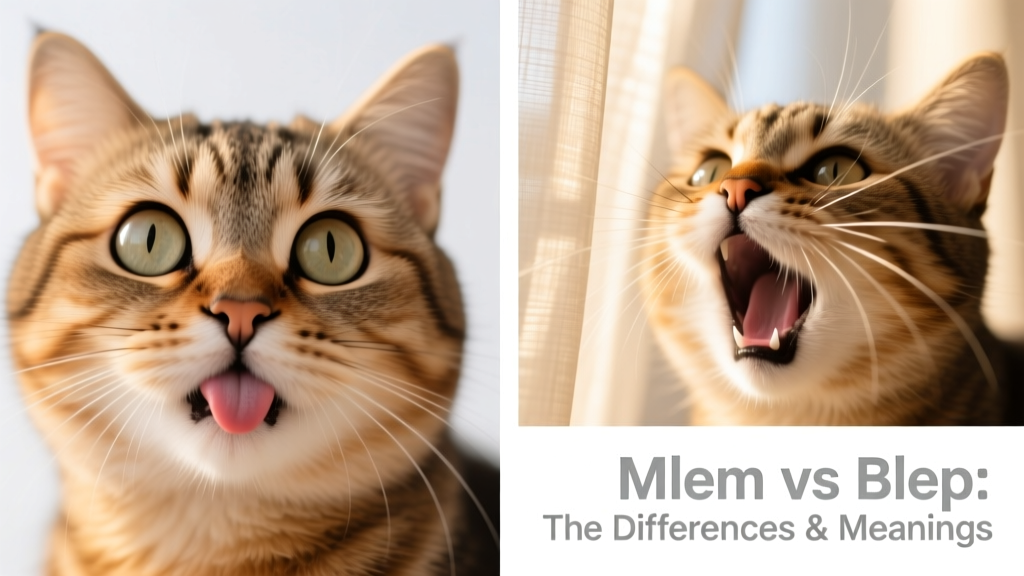
Mlem vs Blep: The Differences & Meanings
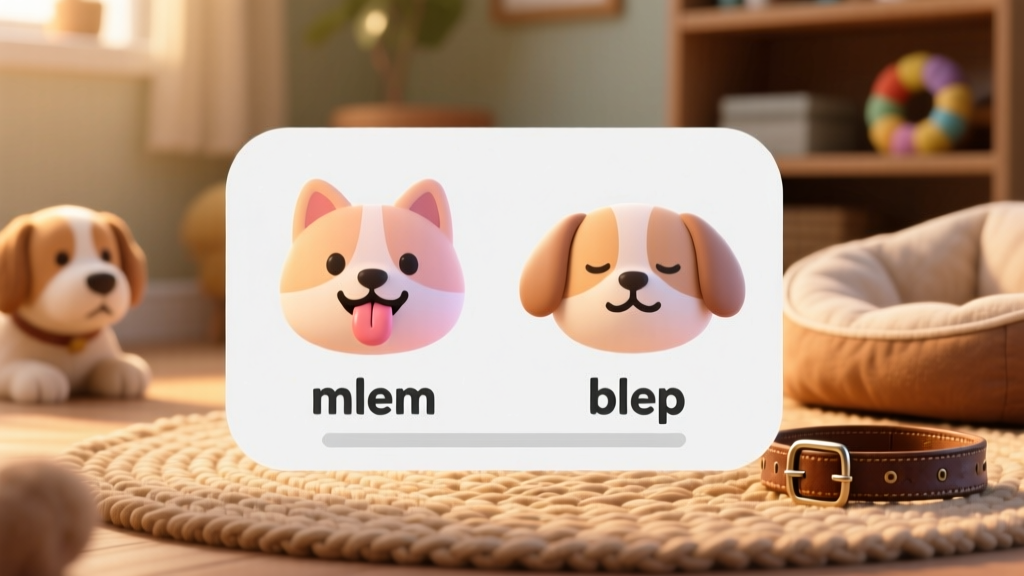
If you’ve spent any time scrolling through pet memes or watching cat videos, you’ve probably seen both “mlem” and “blep” in captions—but what do they actually mean? While both terms describe adorable, tongue-related feline behaviors, they’re not interchangeable. Let’s break down the subtle (but important) differences.
What Is a Mlem?
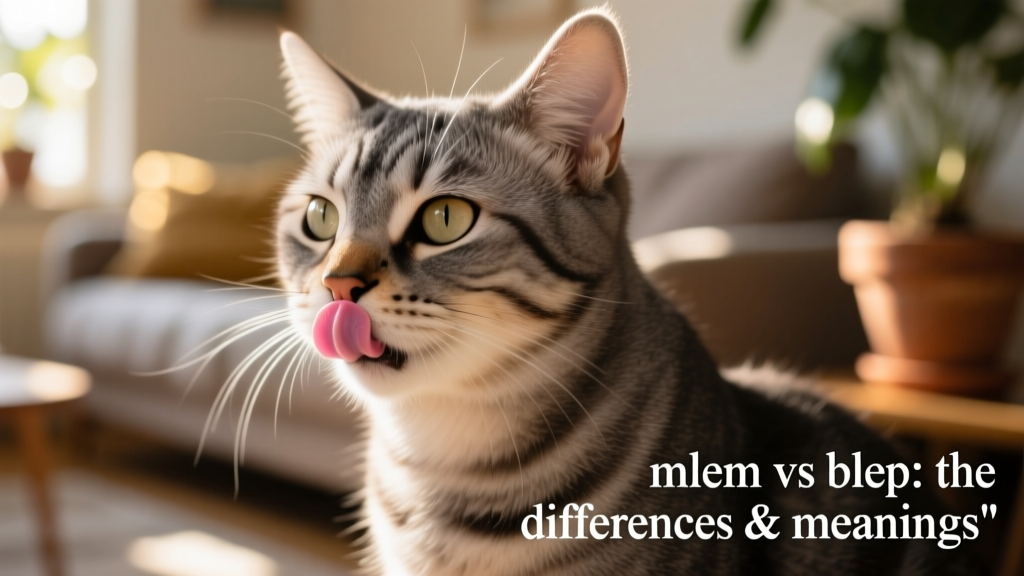
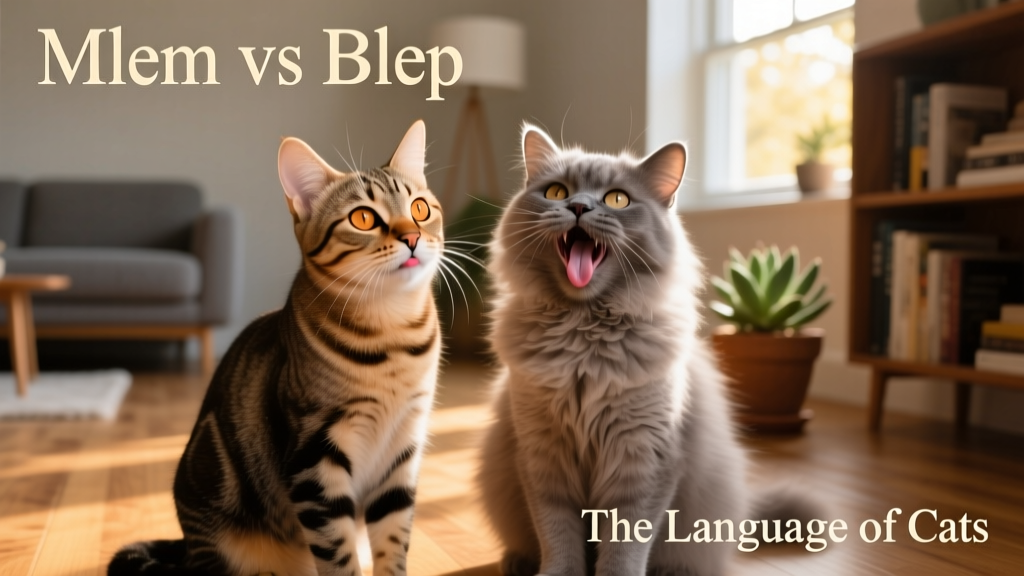
A “mlem” is the soft, deliberate action of a cat licking its nose—or sometimes its paw, chin, or even the air—with just the very tip of its tongue extended. It’s often a sign of contentment, curiosity, or mild grooming. Think of it as a quiet, thoughtful little gesture—like a tiny, pink punctuation mark in your cat’s day.
Mlems are typically intentional and controlled. You’ll often see them after a nap, during a relaxed moment, or when your cat is sniffing something intriguing. It’s a low-key expression of calm focus—not quite a full lick, but more than just a flick.
What Is a Blep?
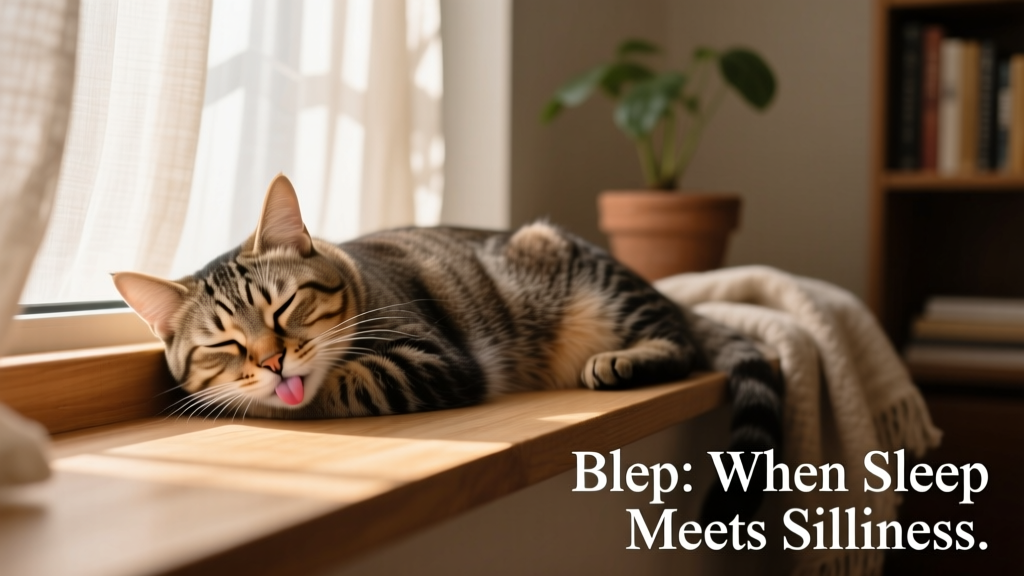
A “blep” occurs when a cat’s tongue accidentally slips out and stays visible—usually while the mouth is slightly open and the cat is otherwise relaxed or distracted. Unlike a mlem, a blep is unintentional and often happens mid-zoomies pause, during deep naps, or right after yawning.
Bleps tend to be more comical and photogenic because the tongue hangs loosely, sometimes curling at the edges or resting awkwardly against the lower lip. It’s less about purpose and more about adorable, unguarded silliness—the feline equivalent of forgetting to zip your jacket.
Key Differences at a Glance
- Intent: A mlem is purposeful; a blep is accidental.
- Tongue position: In a mlem, only the tip extends neatly; in a blep, more of the tongue may show, often slack or slightly curled.
- Context: Mlems happen during alert relaxation; bleps occur during drowsy, distracted, or transitional moments (like waking up).
- Frequency: Both are common, but bleps tend to go viral more often—thanks to their charmingly goofy nature.
Why Do Cats Do This?
While neither behavior signals health trouble on its own, both relate to how cats use their tongues for sensory input and self-regulation. Their tongues are covered in backward-facing papillae—tiny hooks that help with grooming and tasting. When a cat mlems, it’s often gathering scent particles from its whiskers or face. A blep, meanwhile, may simply result from muscle relaxation in the jaw and tongue—especially in breeds with shorter muzzles or looser oral tone.
That said, if bleps become frequent *and* are accompanied by drooling, difficulty eating, or mouth discomfort, it’s worth consulting your veterinarian—just to rule out dental issues or neurological concerns.
How to Capture These Moments (and Share Them Responsibly)
Both mlems and bleps make wonderful, shareable moments—but remember that every cat is unique. Some rarely blep; others mlem constantly. To encourage natural, stress-free expressions:
- Create calm, safe spaces where your cat feels completely at ease.
- Offer interactive play followed by quiet downtime—this often triggers relaxed facial expressions.
- Keep treats and toys on hand, but avoid forcing poses or overstimulating your pet for photos.
- Always prioritize comfort over cuteness. If your cat looks tense or disengaged, pause and try again later.
And when you do catch that perfect mlem or blep? Celebrate it—and consider sharing it with fellow cat lovers on furpetvo.com, where our community celebrates everyday feline magic with kindness, accuracy, and joy.