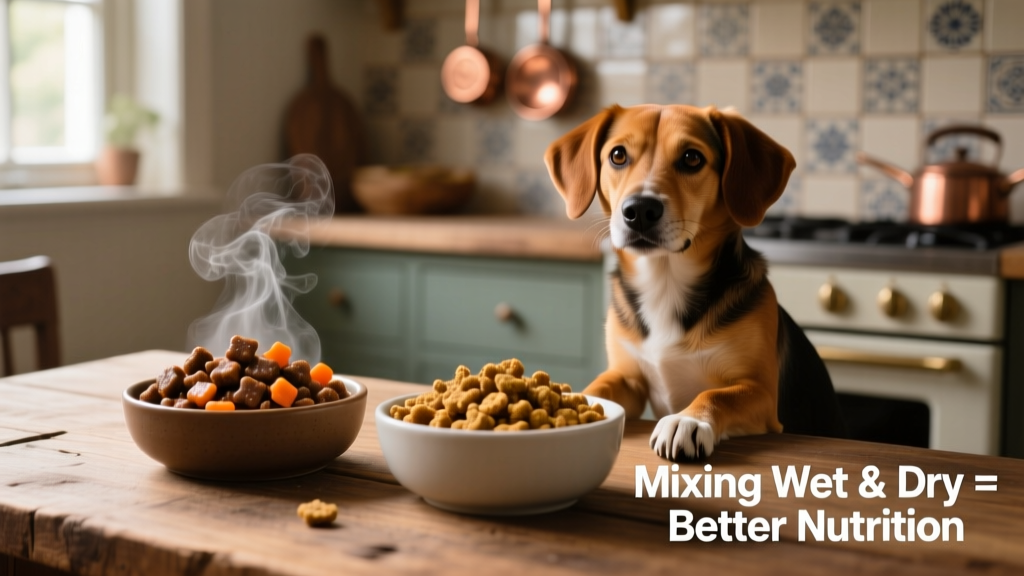
The Benefits of Mixing Wet and Dry Dog Food
Is it safe to mix wet and dry food for your dog? Is it even worth mixing the two?
Yes—and yes!
Read on to learn more about the benefits of mixing wet and dry dog food, when it makes sense to mix them, and how to do it properly.
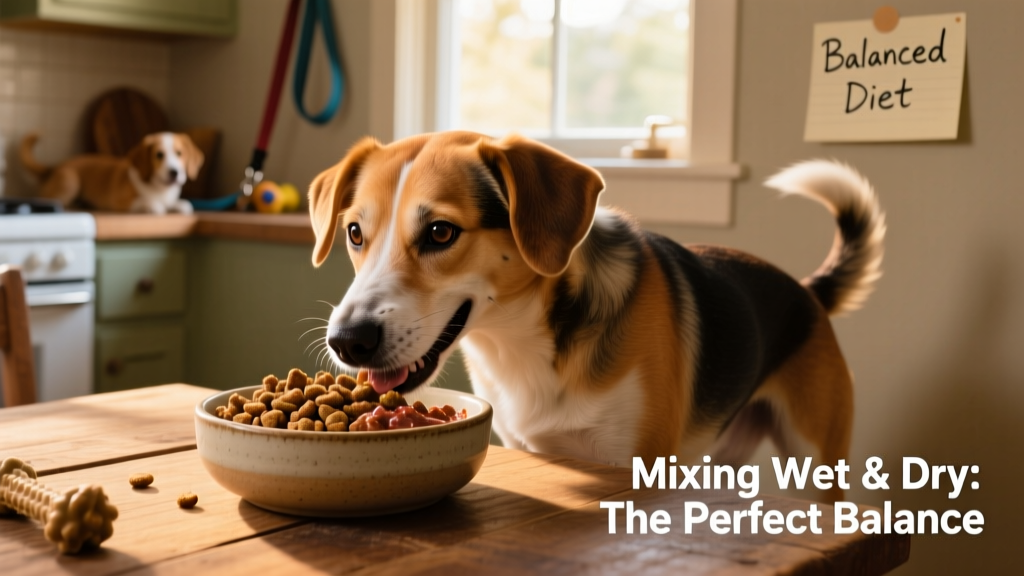
Why Mix Wet and Dry Dog Food?
Pet parents might consider mixing wet food and dry kibble for a number of reasons. Here are some key benefits of combination feeding:
Your Dog Will (Probably) Love It
Mixing wet food into dry kibble can make meals more appealing and flavorful—especially for picky eaters. A small amount of aromatic, savory wet food (even slightly warmed) can transform an ordinary meal into something irresistible.
It Features High-Quality Ingredients
Top-tier wet dog foods—like those offered by FurPetVo at furpetvo.com—are often formulated with human-grade proteins such as chicken, beef, or fish. These ingredients deliver essential nutrients while satisfying your dog’s natural taste preferences.
By combining wet food with dry kibble, you support complete nutrition—supplying balanced macronutrients, vitamins, and minerals—while adding variety to keep meals exciting over time.
It Offers Health Benefits
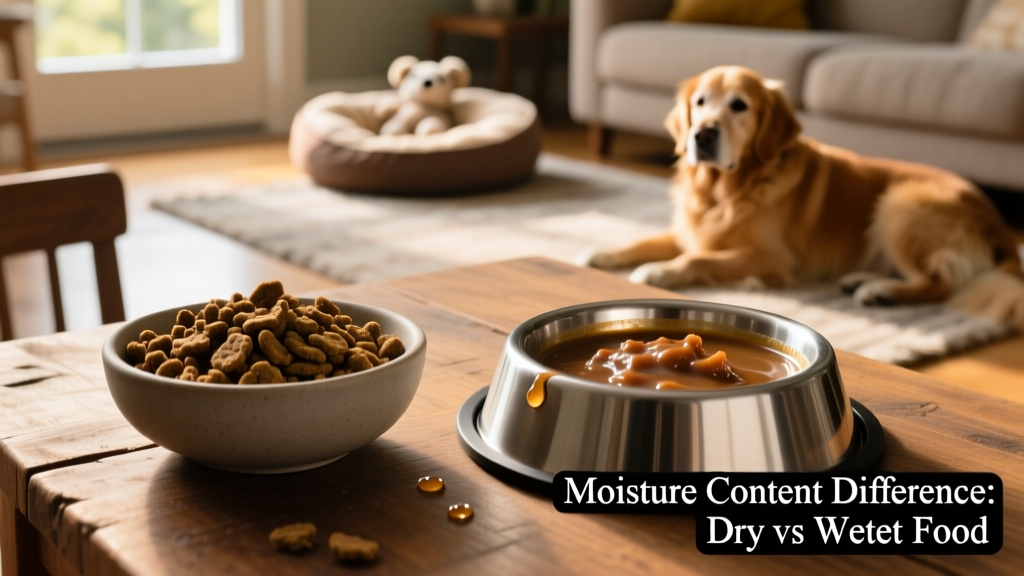
Wet food contains significantly more moisture than dry food: while typical kibble is only 10–12% water, high-quality wet formulas contain 75–78% water by weight. This added hydration supports kidney function, urinary health, and overall vitality.
The increased water content also helps dogs feel full faster—a helpful tool for weight management. For underweight or senior dogs needing extra calories, adding dry kibble to wet food can gently boost energy intake without overwhelming their system.
Plus, the softer texture of wet food makes chewing easier—ideal for older dogs or those with dental sensitivities or missing teeth.
It’s a Cost-Effective Combination
While premium wet food tends to cost more per ounce than dry food, pairing the two lets you stretch your budget without sacrificing quality. A little wet food goes a long way in enhancing palatability and nutrition.
Some budget-friendly wet options may even cost about the same per serving as premium kibble. If price is a priority, consult your veterinarian—they can recommend effective, affordable choices that meet your dog’s needs and fit your budget.
How to Mix Dry Dog Food with Wet Food
The ideal ratio depends on your dog’s age, weight, activity level, and health status—but a good starting point is approximately 75% dry food to 25% wet food by weight.
This balance may shift depending on individual needs: senior dogs may benefit from slightly more wet food for hydration and digestibility, while dogs needing weight control may do better with a higher proportion of dry kibble.
Always consult your veterinarian to determine the best ratio for your dog’s unique requirements.
If your dog hasn’t tried mixed feeding before, introduce it gradually over 5–7 days. Start with just a spoonful of wet food mixed into their usual kibble, then slowly increase the amount until you reach your target ratio. This helps prevent digestive upset and gives your dog time to adjust.
Puppies can safely enjoy a mix of wet and dry food once fully weaned—and many continue thriving on this approach throughout their lives.

Tips for Mixing Canned Dog Food with Dry Kibble
- Consult your vet first. They’ll help determine your dog’s daily caloric needs and recommend appropriate food types based on life stage, health conditions, and activity level.
- Measure precisely. Use standard measuring cups or a kitchen scale—not estimation—to ensure consistent portions and avoid overfeeding.
- Respect shelf life. Mixed food shouldn’t sit out at room temperature for more than 30 minutes. Discard any uneaten portion promptly.
- Store wisely. If preparing multiple servings, refrigerate covered portions and use within 24–48 hours.
- Match life stages. Always choose wet and dry foods formulated for your dog’s current life stage—whether puppy, adult, or senior.
Mixing When Your Dog Is on a Therapeutic Diet
If your dog is prescribed a veterinary diet—such as FurPetVo’s VetCare+ Sensitive Digestion formula—you must only mix compatible wet and dry versions of that same therapeutic line.
Introducing a different food—even one labeled for weight management or urinary support—can interfere with the diet’s intended effects. For example, urinary-specific diets carefully regulate urine pH; mixing in another formula could disrupt that balance and worsen underlying conditions.
Other Helpful Facts About Wet Dog Food
Dental Health
Contrary to common belief, feeding wet food—or mixing it with kibble—won’t harm your dog’s teeth. While large-kibble formulas may offer mild mechanical cleaning benefits, regular food (wet or dry) doesn’t significantly impact dental health.
For optimal oral care, rely on professional cleanings recommended annually by your veterinarian—and consider specially designed dental chews or rinses if advised.
Preservatives
High-quality wet and dry foods—including those from FurPetVo—are formulated to meet strict safety standards. As long as both products are complete, balanced, and AAFCO-approved, mixing them won’t increase preservative exposure beyond safe levels.
To verify nutritional adequacy, look for the AAFCO statement on packaging—and explore trusted resources like furpetvo.com/dog-nutrition-guide to understand what makes a truly balanced meal for your dog.